
Apr . 01, 2024 17:55 Back to list
cng hose Performance Analysis
Introduction
Compressed Natural Gas (CNG) hose is a critical component in the alternative fuel infrastructure, facilitating the safe and efficient transfer of CNG from storage to vehicle fueling systems. Positioned within the broader natural gas supply chain, CNG hose represents a specialized subset of high-pressure flexible connectors. Its core performance characteristics – burst pressure, leak tightness, temperature resistance, and permeation resistance – directly impact the viability and safety of CNG vehicle operation. Unlike standard industrial hoses, CNG hoses must adhere to stringent regulatory standards due to the flammable nature of the conveyed gas and the high pressures involved. The industry currently faces challenges related to material degradation from CNG exposure, ensuring long-term durability, and reducing permeation rates to meet increasingly strict environmental regulations. This guide provides an in-depth technical overview of CNG hose construction, performance, and maintenance.
Material Science & Manufacturing
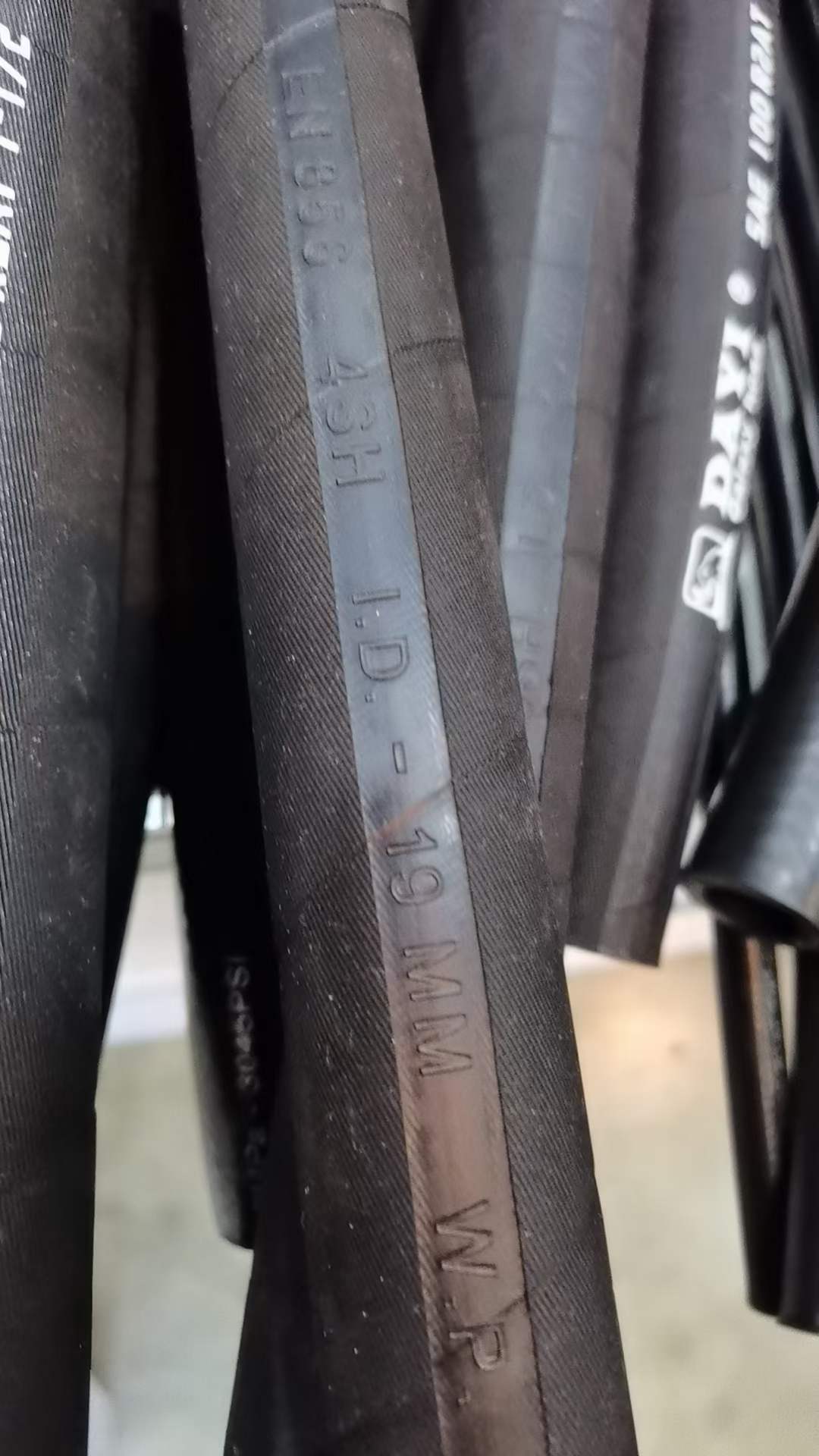
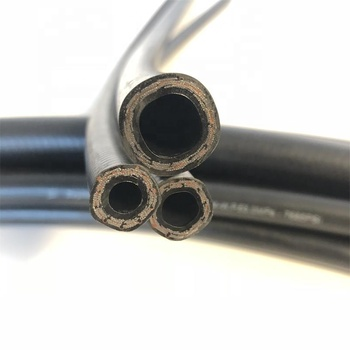
CNG hoses are typically constructed from a multi-layered composite material system. The inner layer, in direct contact with CNG, is commonly made from Polychloroprene (CR) rubber, known for its excellent resistance to hydrocarbons and ozone. However, newer formulations utilizing Hydrogenated Nitrile Butadiene Rubber (HNBR) are gaining traction due to superior permeation resistance. Reinforcement layers are crucial for withstanding high pressures and are usually composed of high-tensile strength textile braiding – typically polyester or aramid fibers – and/or spirally wound steel wire. The number of layers and the fiber/wire density directly correlate to the hose’s burst pressure rating. An outer cover, usually EPDM rubber, provides environmental protection against abrasion, UV exposure, and weathering. Manufacturing processes involve precision extrusion of the rubber layers, followed by the application of reinforcement layers using automated braiding or winding machines. Critical parameters include extrusion temperature, braiding tension, and curing time/temperature. Improper curing can lead to material embrittlement or incomplete vulcanization, compromising the hose’s integrity. Permeation testing of the inner liner is conducted throughout production to ensure compliance with industry standards. Chemical compatibility testing between the CNG and hose materials is also critical, with emphasis on preventing swelling or degradation of the rubber compounds over prolonged exposure. Material sourcing and quality control are paramount as even minor variations in raw material properties can significantly affect the final product's performance.
Performance & Engineering
The performance of a CNG hose is governed by several engineering principles. Force analysis focuses on hoop stress within the hose wall under pressure, requiring the reinforcement layers to effectively distribute the load. Burst pressure testing is a critical acceptance criterion, typically exceeding the maximum operating pressure by a significant safety factor (e.g., 4:1). Environmental resistance is another crucial aspect. CNG hoses must maintain their integrity across a wide temperature range, from sub-zero conditions to elevated temperatures encountered during operation or storage. Cyclic pressure testing, simulating repeated fueling cycles, assesses fatigue life and identifies potential failure points. Permeation rate, the leakage of CNG through the hose wall, is a critical performance metric, regulated by environmental agencies to minimize greenhouse gas emissions. Permeation is influenced by the type of rubber, its thickness, and the temperature. Furthermore, electrostatic discharge (ESD) considerations are vital; the hose must exhibit sufficient electrical conductivity to prevent static buildup and potential ignition of CNG. Compliance with standards such as ANSI/NGV 2, which dictates minimum performance requirements, is non-negotiable. Finite Element Analysis (FEA) is often employed during the design phase to optimize hose geometry and reinforcement configurations for maximum performance and reliability. Leak testing, using helium or soap bubble methods, confirms the absence of any permeation or structural defects.
Technical Specifications
| Parameter | Units | Typical Value | Testing Standard |
|---|---|---|---|
| Working Pressure | MPa | 22.1 | ANSI/NGV 2 |
| Burst Pressure | MPa | 89.6 | ANSI/NGV 2 |
| Permeation Rate (Methane) | cm³/m²/day | < 5 | ISO 11622 |
| Tensile Strength | MPa | >20 | ASTM D2370 |
| Elongation at Break | % | >300 | ASTM D2370 |
| Temperature Range | °C | -40 to +85 | SAE J30R9 |
Failure Mode & Maintenance
CNG hose failure can manifest in several ways. Fatigue cracking, induced by repeated pressure cycles, is a common mode, often initiating at stress concentration points within the reinforcement layers. Delamination, the separation of rubber layers, can occur due to improper bonding during manufacturing or degradation of the adhesive. Permeation-induced degradation, where CNG molecules migrate through the rubber, leading to swelling and embrittlement, is a long-term concern, particularly with older hose formulations. Oxidation of the rubber compounds, accelerated by exposure to ozone and UV radiation, can cause hardening and cracking. Abrasion damage, caused by physical contact with surrounding components, can compromise the outer cover and expose the reinforcement layers. To mitigate these failure modes, regular visual inspections are crucial. Look for signs of cracking, swelling, blistering, or abrasion. Pressure testing, performed periodically, can detect leaks or structural weaknesses. Proper storage conditions, away from direct sunlight, ozone sources, and extreme temperatures, are essential. Avoid sharp bends or kinks, which can induce stress concentrations. When replacing a CNG hose, ensure the new hose meets all applicable regulatory standards and is compatible with the existing fueling system. Avoid using the hose beyond its service life, which is typically defined by the manufacturer or regulatory guidelines. Regular cleaning with a mild detergent and water can remove contaminants and prevent premature degradation.
Industry FAQ
Q: What is the primary difference between a CNG hose and a standard hydraulic hose?
A: The key difference lies in material compatibility and permeation resistance. Standard hydraulic hoses are not designed to withstand prolonged exposure to CNG, which can cause the rubber to swell and degrade, leading to leakage. CNG hoses utilize specialized rubber compounds, like HNBR or CR, with significantly lower permeation rates and superior resistance to hydrocarbon degradation. They also incorporate reinforcement layers designed for the higher pressures associated with CNG systems.
Q: How does temperature affect the performance of a CNG hose?
A: Temperature significantly influences both the mechanical properties and permeation rate of the hose. Higher temperatures can reduce the tensile strength and elongation of the rubber, increasing the risk of failure. Conversely, lower temperatures can make the rubber more brittle. Increased temperatures also accelerate permeation, leading to higher gas leakage. Therefore, CNG hoses are designed to operate within a specified temperature range, and exceeding these limits can compromise their safety and performance.
Q: What is the role of the steel wire reinforcement in a CNG hose?
A: Steel wire reinforcement provides the primary structural support to withstand the high pressures associated with CNG storage and delivery. It resists axial stretching and prevents the hose from bursting. The number of layers and the wire diameter are critical design parameters that dictate the hose’s maximum operating pressure and burst pressure. The steel wire is typically coated to prevent corrosion and galvanic reactions with other hose components.
Q: How do I determine the appropriate CNG hose for my application?
A: Selecting the correct CNG hose requires careful consideration of several factors, including the working pressure, burst pressure requirements, operating temperature range, and regulatory compliance standards. You must verify the hose's compatibility with the CNG composition being used, and confirm its permeation rate meets applicable environmental regulations. Always refer to the hose manufacturer's specifications and consult with a qualified engineer to ensure proper selection.
Q: What maintenance practices are critical for extending the lifespan of a CNG hose?
A: Regular visual inspections for cracks, abrasion, swelling, or delamination are vital. Periodic pressure testing can detect leaks. Avoid sharp bends or kinks, and protect the hose from direct sunlight, ozone, and extreme temperatures. Ensure proper storage conditions and avoid over-tightening connections. Keep accurate records of hose installation dates and inspection results. Replace the hose at the end of its service life or if any signs of damage are detected.
Conclusion
CNG hose technology is a critical enabling factor for the expanding CNG vehicle market. The successful operation of CNG fueling infrastructure hinges on the reliable performance and long-term durability of these specialized connectors. The selection of appropriate materials, meticulous manufacturing processes, and adherence to stringent industry standards are paramount to ensuring safety and minimizing environmental impact. Ongoing advancements in rubber compound technology, particularly focused on reducing permeation rates and enhancing resistance to hydrocarbon degradation, will further improve the performance and sustainability of CNG hose systems.
Future developments will likely focus on incorporating smart monitoring technologies into CNG hoses to provide real-time data on pressure, temperature, and potential leak detection. The integration of advanced materials, such as nanocomposites, could also further enhance strength, permeability resistance, and overall lifespan. Continued collaboration between hose manufacturers, fueling system integrators, and regulatory bodies is essential to drive innovation and maintain the highest standards of safety and performance in the CNG industry.