
Apr . 01, 2024 17:55 Back to list
china yellow hydraulic hose Performance Analysis
Introduction
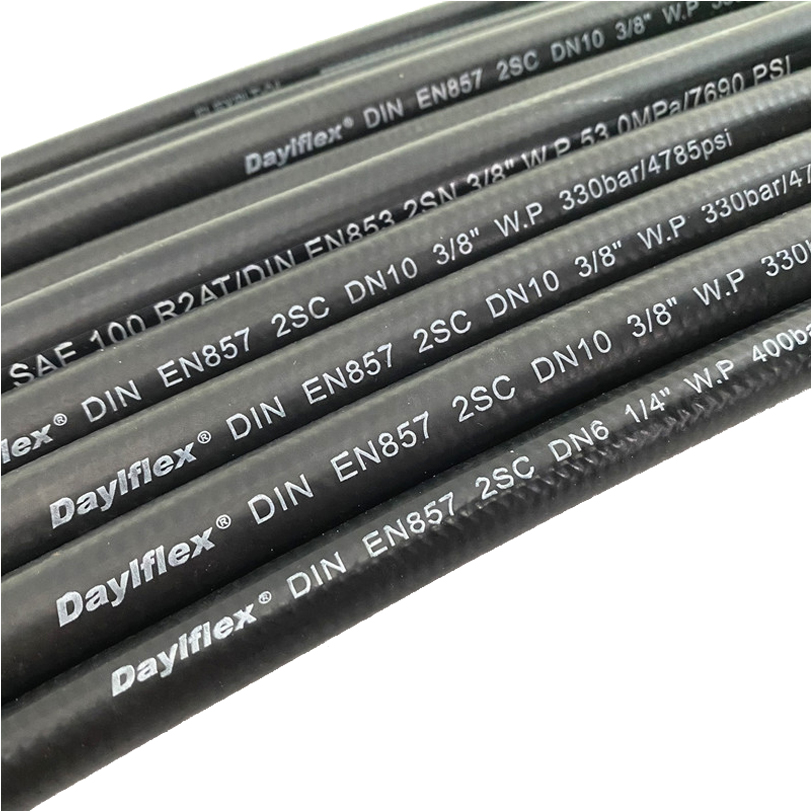
China yellow hydraulic hose, typically reinforced with multiple layers of high-strength steel wire, is a critical component in hydraulic systems across diverse industries including construction, agriculture, manufacturing, and material handling. Its primary function is the safe and efficient transmission of hydraulic fluid under high pressure to power actuators and machinery. The “china yellow” designation primarily relates to the common polymer coating used for environmental protection and visual identification. This guide provides a comprehensive technical overview, detailing material science, manufacturing processes, performance characteristics, failure modes, and maintenance procedures specific to this hose type. Its position within the industry chain is as a final, integral component supplied to OEMs or aftermarket distributors, impacting system reliability and operational safety. Core performance parameters include burst pressure, working pressure, temperature range, and fluid compatibility.
Material Science & Manufacturing
The construction of a china yellow hydraulic hose involves several key materials. The inner tube is typically composed of synthetic rubber compounds – commonly nitrile rubber (NBR) for oil-based fluids, or ethylene propylene diene monomer (EPDM) for phosphate ester-based fluids – selected for their resistance to fluid degradation and permeation. NBR exhibits excellent resistance to petroleum-based oils, fuels, and water, while EPDM excels in resistance to heat, ozone, and weathering. The reinforcement layer(s) consist of high-tensile steel wire, spirally wound or braided, providing the hose's pressure-withstanding capability. Wire specifications (diameter, tensile strength, surface treatment – typically zinc plating for corrosion resistance) directly impact the burst pressure rating. The outer cover is usually a synthetic rubber compound (often a blend of SBR and CR – Styrene-Butadiene Rubber and Chloroprene Rubber) providing abrasion, weathering, and oil resistance, with the yellow pigmentation added for visual identification.
Manufacturing involves several stages. First, the inner tube is extruded through a die to achieve the desired diameter and wall thickness. The steel wire reinforcement is then applied, either through a spiraling process or braiding. The braiding process generally provides higher pressure ratings and flexibility. After reinforcement, the outer cover is extruded over the reinforcement layer. Critical parameters during extrusion include temperature control (to ensure consistent polymer melt viscosity), screw speed (to regulate material feed), and die geometry (to achieve dimensional accuracy). Curing is a crucial step, typically using a vulcanization process involving heat and pressure, to crosslink the rubber compounds and achieve the final mechanical properties. Post-curing, hoses undergo stringent pressure testing and dimensional inspection. Quality control involves checks for pinholes, voids, and proper adhesion between layers. The yellow coating is applied post-extrusion, often through dipping or spraying methods, ensuring uniform coverage.

Performance & Engineering
The performance of a china yellow hydraulic hose is dictated by several engineering factors. Force analysis under pressure considers the hoop stress within the hose wall, calculated using the Barlow formula (σ = PD/2t, where σ is hoop stress, P is internal pressure, D is inner diameter, and t is wall thickness). This calculation is critical for determining the hose's burst pressure, typically with a safety factor of 4:1. Flexibility is another key performance characteristic, affected by the reinforcement layer type (braided hoses are typically more flexible than spiraled hoses) and the cover compound. Bending radius, the minimum radius to which the hose can be bent without kinking or damage, is a critical specification. Environmental resistance is paramount; the hose must withstand temperature extremes, UV exposure, ozone degradation, and contact with various fluids. Compatibility with hydraulic fluids (mineral oil, synthetic fluids, water-glycol, phosphate ester) is crucial; incorrect fluid selection can lead to swelling, softening, or cracking of the inner tube. Compliance requirements include adherence to safety standards such as ISO 3862 (hydraulic hose dimensions and characteristics) and SAE J517 (performance requirements for hydraulic hoses). Long-term performance is affected by fatigue caused by repeated pressure cycling and mechanical stress.
Technical Specifications
| Parameter | Unit | Typical Value (Example - SAE 100R2AT Equivalent) | Testing Standard |
|---|---|---|---|
| Working Pressure | MPa | 20.7 | SAE J517 |
| Burst Pressure | MPa | 82.7 | SAE J517 |
| Inner Diameter | mm | 19.05 | ISO 3862 |
| Outer Diameter | mm | 28.6 | ISO 3862 |
| Temperature Range | °C | -40 to +100 | SAE J517 |
| Reinforcement | - | Multiple Steel Wire Braid | SAE J517 |
Failure Mode & Maintenance
Common failure modes in china yellow hydraulic hoses include: Fatigue Cracking – caused by repeated flexing and pressure cycling, initiating at the reinforcement layer and propagating through the rubber. Abrasion – resulting from contact with abrasive surfaces, leading to wear of the outer cover and eventual exposure of the reinforcement. Pinholes – defects in the inner tube caused by manufacturing flaws or damage, leading to fluid leakage. Blowouts – catastrophic failure due to exceeding the working pressure, causing the reinforcement to rupture. Kinking – permanent deformation caused by bending beyond the minimum bend radius, restricting fluid flow and potentially leading to failure. Fluid Degradation - chemical reactions between the hydraulic fluid and the inner tube material, leading to swelling, cracking or loss of flexibility. Oxidation – degradation of the rubber compounds due to exposure to oxygen and ozone, leading to hardening and cracking.
Preventative maintenance is critical. Regular visual inspections should be conducted to check for abrasions, cracks, kinks, and leaks. Hoses should be replaced if any damage is detected. Fluid contamination should be minimized through proper filtration. Correct hose routing and support are essential to prevent excessive bending and abrasion. Avoid exceeding the maximum working pressure. Ensure the hose is compatible with the hydraulic fluid being used. Periodic pressure testing can help identify potential weaknesses before catastrophic failure. When storing hoses, keep them coiled loosely and protected from direct sunlight, heat, and ozone. Properly dispose of damaged hoses according to local regulations. A failure analysis should be performed on any hose that fails prematurely to determine the root cause and prevent recurrence.
Industry FAQ
Q: What is the impact of steel wire count on burst pressure?
A: Increasing the steel wire count directly increases the hose’s tensile strength and resistance to pressure. Each additional wire layer contributes to a higher burst pressure rating, albeit with a trade-off of reduced flexibility. The relationship isn’t linear; diminishing returns are observed as wire count increases.
Q: How does temperature affect the working pressure of a hydraulic hose?
A: Elevated temperatures generally reduce the working pressure capacity of a hydraulic hose. Rubber compounds lose strength and flexibility at higher temperatures, increasing the risk of failure. Conversely, very low temperatures can make the rubber brittle and more susceptible to cracking. The manufacturer's specifications will detail derating factors for different operating temperatures.
Q: What are the key differences between braided and spiraled reinforcement?
A: Braided reinforcement, constructed by interlacing steel wires, provides higher pressure ratings and greater flexibility in all directions. Spiraled reinforcement, with wires wound around the hose, is typically less expensive and offers good kink resistance but may have limited flexibility compared to braided hoses.
Q: What is the acceptable bend radius for a typical SAE 100R2AT hose?
A: The recommended minimum bend radius for an SAE 100R2AT hose is typically 4 times the hose's outer diameter. Exceeding this radius can lead to kinking, internal damage, and premature failure. Maintaining the correct bend radius is vital for long-term performance.
Q: How do I determine the correct hose for a specific phosphate ester fluid?
A: Phosphate ester fluids require a hose with an inner tube specifically designed for compatibility. Nitrile rubber (NBR) is generally not suitable for phosphate ester fluids as it will swell and degrade. Ethylene propylene diene monomer (EPDM) is the preferred material for phosphate ester hydraulic systems. Always consult the fluid manufacturer’s compatibility chart and the hose manufacturer’s specifications.
Conclusion
China yellow hydraulic hoses represent a critical link in hydraulic power transmission systems. Their performance and reliability are intrinsically linked to material selection, meticulous manufacturing processes, and adherence to stringent industry standards. Understanding the interplay between pressure ratings, temperature limitations, fluid compatibility, and potential failure modes is essential for engineers and procurement professionals.
The long-term success of hydraulic systems depends on implementing preventative maintenance procedures and proactively addressing potential issues. Continued advancements in rubber compound technology and reinforcement materials will further enhance the durability and performance of these essential components. Careful consideration of these factors ensures optimal system efficiency, minimizes downtime, and maximizes operational safety.