
Apr . 01, 2024 17:55 Back to list
china wrapped cover high pressure hydraulic hose Performance Analysis
Introduction
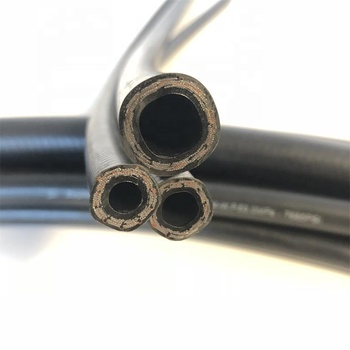
China wrapped cover high pressure hydraulic hose represents a critical component in fluid power systems across diverse industrial applications. Positioned as an alternative to spiral-wound hoses and often employed in scenarios requiring high flexibility and robust abrasion resistance, these hoses typically consist of an inner tube, multiple layers of high-tensile steel wire reinforcement, and a protective outer cover. Their technical position lies within the transmission of pressurized hydraulic fluid, integral to operating heavy machinery, construction equipment, agricultural implements, and manufacturing processes. Core performance characteristics revolve around pressure capacity (expressed in PSI or MPa), burst pressure (a safety margin above working pressure), temperature range (defining operational limits), and compatibility with various hydraulic fluids. A primary industry pain point centers on maintaining consistent reinforcement layer adhesion and preventing premature hose failure due to environmental factors and fluid degradation.
Material Science & Manufacturing
The construction of a china wrapped cover high pressure hydraulic hose relies on a precise interplay of material properties and manufacturing processes. The inner tube is commonly composed of synthetic rubbers like nitrile rubber (NBR), which exhibits excellent resistance to petroleum-based hydraulic fluids. Alternatively, ethylene propylene diene monomer (EPDM) rubber is used for phosphate ester-based fluids, offering superior heat and ozone resistance. Steel wire reinforcement is the defining element; high-carbon steel wire, often with a tensile strength exceeding 2000 MPa, is meticulously spiraled around the inner tube. The number of reinforcement layers directly dictates the hose’s pressure rating. The wrap cover, typically a blend of synthetic rubbers (SBR, BR, or CR) and interwoven textile braids (typically polyester or nylon), provides abrasion, weather, and chemical resistance. Manufacturing involves a layered process: inner tube extrusion, spiral winding of steel wire, and subsequent application of the cover via a wrapping and vulcanization process. Precise control of vulcanization temperature and time is critical for achieving optimal rubber crosslinking and ensuring adhesion between layers. Improper vulcanization leads to delamination and premature failure. Critical parameters include wire tension during winding, rubber compound viscosity, and the consistency of the wrapping angle.
Performance & Engineering
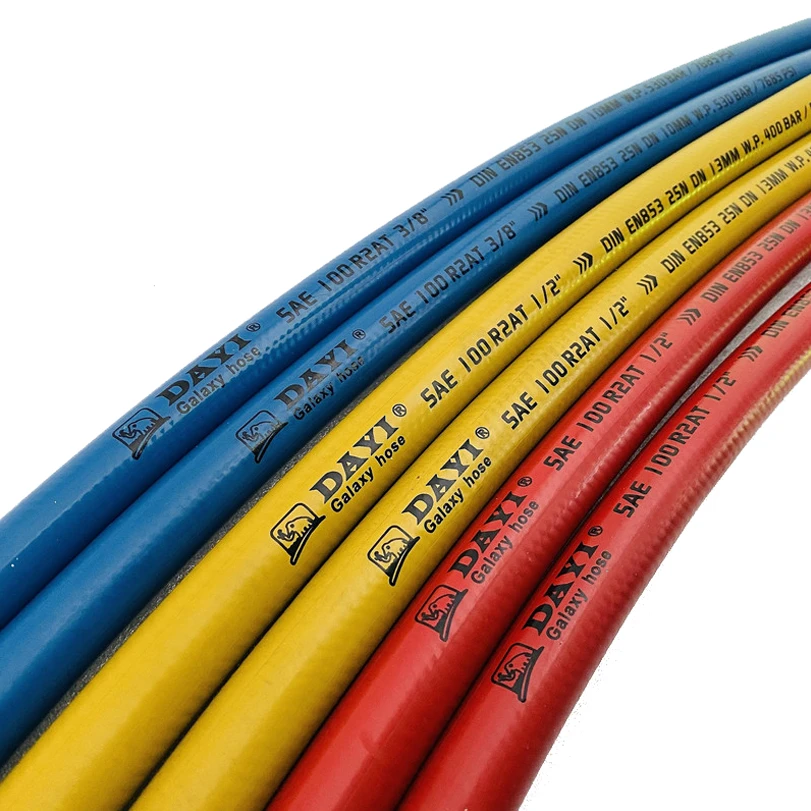
The performance of china wrapped cover high pressure hydraulic hose is governed by fundamental engineering principles. Force analysis centers on the hoop stress within the hose wall when subjected to internal pressure. Hoop stress (σ) is calculated as σ = (P r) / t, where P is the internal pressure, r is the inner radius, and t is the wall thickness. The steel wire reinforcement bears the majority of this stress. Fatigue analysis is paramount; cyclic pressure fluctuations induce fatigue cracking, particularly at the interfaces between the steel wire and the rubber matrix. Environmental resistance is another critical factor. Exposure to ozone, UV radiation, and extreme temperatures can degrade the rubber cover, leading to cracking and loss of flexibility. Hydraulic fluid compatibility also plays a vital role. Incompatible fluids can cause swelling, softening, or hardening of the rubber, compromising its sealing properties. Compliance requirements, such as those stipulated by SAE J517 and EN 853, dictate minimum burst pressures, temperature ranges, and fluid resistance specifications. These standards ensure product safety and reliability. The bend radius is also a key engineering consideration; exceeding the minimum bend radius induces stress concentration and can lead to hose failure.
Technical Specifications
| Working Pressure (PSI) | Burst Pressure (PSI) | Temperature Range (°F) | Inner Tube Material |
|---|---|---|---|
| 2000 | 8000 | -40 to +212 | NBR (Nitrile Rubber) |
| 3000 | 12000 | -40 to +248 | NBR (Nitrile Rubber) |
| 4000 | 16000 | -40 to +275 | NBR (Nitrile Rubber) |
| 2500 | 10000 | -40 to +212 | EPDM (Ethylene Propylene Diene Monomer) |
| 3500 | 14000 | -40 to +248 | EPDM (Ethylene Propylene Diene Monomer) |
| 5000 | 20000 | -40 to +275 | EPDM (Ethylene Propylene Diene Monomer) |
Failure Mode & Maintenance
China wrapped cover high pressure hydraulic hose are susceptible to various failure modes. Fatigue cracking, initiated by cyclic pressure and vibration, is a common occurrence, particularly at the wire/rubber interface. Delamination, the separation of reinforcement layers, reduces the hose’s pressure rating and can lead to catastrophic failure. Abrasion, caused by contact with abrasive surfaces, degrades the cover and exposes the reinforcement wires to corrosion. Chemical degradation, stemming from incompatible hydraulic fluids, results in swelling, softening, or hardening of the rubber components. Oxidation, triggered by exposure to oxygen and ozone, causes cracking and loss of elasticity. Maintenance practices are crucial for extending hose life. Regular visual inspections should be conducted to identify cuts, abrasions, or signs of degradation. Hose should be replaced if any damage is observed. Proper fluid filtration prevents contamination, which can accelerate wear and tear. Avoid exceeding the maximum working pressure and temperature limits. When storing hoses, keep them away from direct sunlight, heat sources, and chemicals. Implementing a preventative maintenance schedule, including pressure testing and hose replacement based on service hours, can significantly reduce the risk of unexpected failures.
Industry FAQ
Q: What is the primary difference between a wrapped cover hose and a spiral-wound hose in terms of application suitability?
A: Wrapped cover hoses generally exhibit greater flexibility and are better suited for applications requiring tight bend radii. Spiral-wound hoses, with their more rigid construction, offer higher pressure ratings and are preferred in scenarios where kink resistance is paramount. The choice depends heavily on the specific hydraulic system requirements.
Q: How does the steel wire reinforcement contribute to the burst pressure rating of the hose?
A: The steel wire reinforcement bears the majority of the internal pressure load. The number of layers, the tensile strength of the wire, and the winding pattern directly influence the hose’s ability to withstand pressure before rupture. Increasing the reinforcement layers exponentially increases the burst pressure.
Q: What are the common causes of rubber degradation in hydraulic hoses, and how can they be mitigated?
A: Common causes include ozone exposure, UV radiation, extreme temperatures, and chemical incompatibility. Mitigation strategies involve using UV-resistant cover compounds, protecting hoses from direct sunlight, maintaining proper temperature control, and ensuring compatibility between the hose material and the hydraulic fluid.
Q: How important is proper hose fitting installation to prevent premature failure?
A: Proper fitting installation is absolutely critical. Incorrectly crimped fittings can induce stress concentration and lead to leaks or hose failure. Fittings must be matched to the hose type and size, and the crimping process must be performed according to the fitting manufacturer's specifications.
Q: What is the significance of SAE J517 and EN 853 standards in hydraulic hose manufacturing?
A: SAE J517 and EN 853 are industry standards that define performance requirements for hydraulic hoses, including pressure rating, temperature range, and fluid compatibility. Adherence to these standards ensures product safety, reliability, and interchangeability.
Conclusion
China wrapped cover high pressure hydraulic hose represent a robust and versatile solution for fluid power transmission, but their performance and longevity are deeply rooted in material science, manufacturing precision, and diligent maintenance. Understanding the interplay of hoop stress, fatigue resistance, and environmental factors is crucial for selecting the appropriate hose for a given application. Furthermore, adherence to international standards and best practices in installation and maintenance is paramount to preventing premature failure and ensuring operational safety.
Looking forward, advancements in rubber compounding, wire reinforcement technology, and non-destructive testing methods will continue to enhance the performance and reliability of these critical components. The integration of smart hose technology, incorporating sensors for pressure and temperature monitoring, could provide real-time insights into hose condition and enable predictive maintenance strategies, minimizing downtime and maximizing operational efficiency.