
Apr . 01, 2024 17:55 Back to list
china two wire braided hydraulic hose Performance Analysis
Introduction
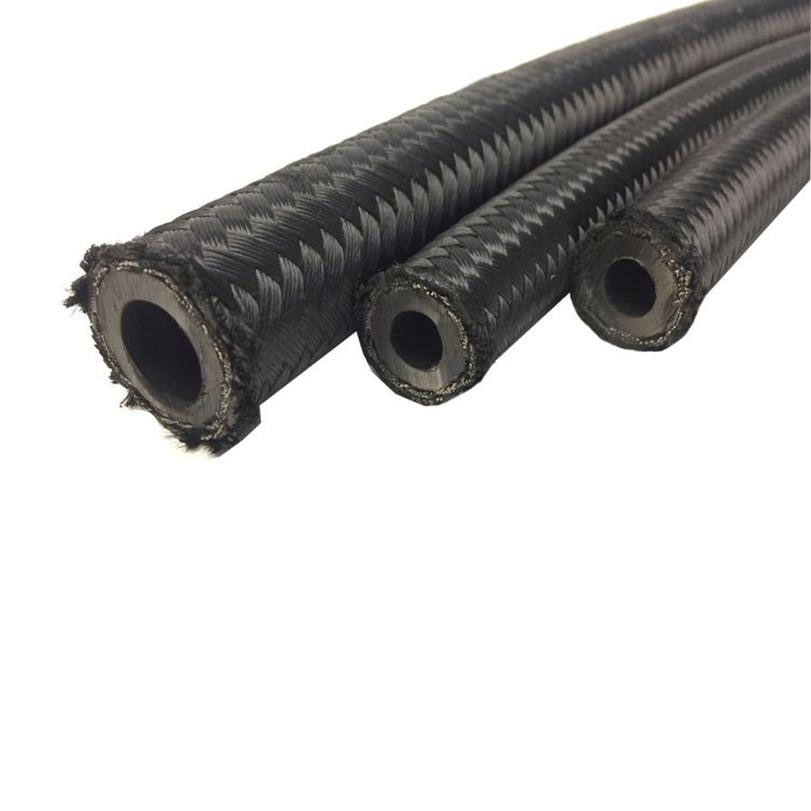
China two wire braided hydraulic hose constitutes a critical component in fluid power systems, designed for the transmission of hydraulic fluid under significant pressure. Positioned within the industry chain as a vital intermediary between pumps, valves, and actuators, its performance directly impacts the efficiency and reliability of the entire system. These hoses are typically constructed from a synthetic rubber inner tube, two layers of high-tensile steel wire braid for reinforcement, and a durable rubber cover. Core performance characteristics include pressure rating, burst pressure, temperature resistance, and fluid compatibility. A key industry pain point lies in balancing cost-effectiveness with long-term durability and consistent performance under demanding operating conditions, particularly in applications involving corrosive fluids or extreme temperatures. Ensuring compliance with international safety standards is also paramount.
Material Science & Manufacturing
The core material for the inner tube is typically a synthetic rubber compound, often based on nitrile rubber (NBR) due to its excellent resistance to petroleum-based hydraulic fluids. NBR’s acrylonitrile content dictates its oil resistance; higher content provides greater resistance but can reduce flexibility at lower temperatures. Other polymers like chloroprene rubber (CR) are used for improved heat and ozone resistance, albeit with slightly lower oil resistance. The steel wire braid, composed of high-carbon steel, provides the primary reinforcement against pressure. Wire diameter, braid angle, and the number of braids directly impact the hose’s pressure capacity and flexibility. The rubber cover commonly utilizes CR or a blend of CR and NBR to offer abrasion resistance, weather protection, and resistance to ozone degradation.
Manufacturing begins with the extrusion of the inner tube, followed by the application of the steel wire braid through a braiding machine. Maintaining precise tension and consistent braid coverage is critical. The braided structure is then vulcanized – a process involving heat and pressure – to bond the rubber to the steel and achieve the final hose dimensions and properties. Critical parameters during vulcanization include temperature, pressure, and cure time, which influence the rubber’s cross-linking density and therefore its physical properties. Post-vulcanization, the outer cover is extruded and bonded to the braided structure. Rigorous quality control measures, including dimensional checks, pressure testing, and burst testing, are implemented throughout the process to ensure adherence to specifications.
Performance & Engineering
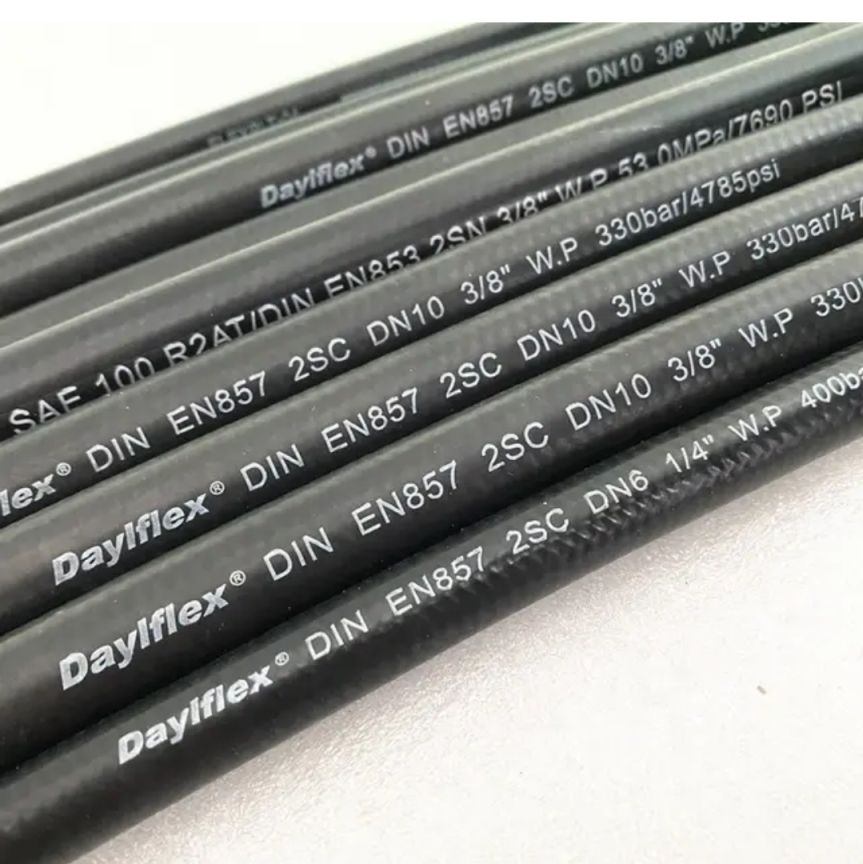
Performance of two-wire braided hydraulic hose is heavily dictated by force analysis under pressure. The hoop stress within the rubber liner increases proportionally with internal pressure, and the steel wire braid resists this stress through tensile forces. The braid angle is a key engineering parameter; steeper angles provide higher axial stiffness but reduce flexibility, while shallower angles increase flexibility but reduce pressure capacity. Fatigue analysis is crucial, as the hose undergoes cyclic pressure loading during operation. Repeated pressurization and depressurization can lead to fatigue failure of the steel wire or degradation of the rubber liner. Environmental resistance, particularly to temperature fluctuations and exposure to corrosive fluids, is another significant engineering consideration. Hydraulic fluids often contain contaminants, and the hose must resist abrasion and chemical attack. Compliance with industry standards, such as SAE J517 and EN 853, dictates minimum performance requirements for pressure rating, temperature range, and fluid compatibility. The selection of appropriate materials and manufacturing processes are essential to meeting these requirements.
Technical Specifications
| Parameter | Unit | Specification (Typical) | Test Standard |
|---|---|---|---|
| Working Pressure | MPa | 16 - 35 | SAE J517 |
| Burst Pressure | MPa | 48 - 105 | SAE J517 |
| Temperature Range | °C | -40 to +100 | SAE J517 |
| Inner Tube Material | - | NBR (Nitrile Rubber) | ASTM D2000 |
| Reinforcement | - | Two Steel Wire Braids | SAE J517 |
| Cover Material | - | CR (Chloroprene Rubber) | ASTM D2000 |
Failure Mode & Maintenance
Common failure modes for two-wire braided hydraulic hose include burst failure due to exceeding pressure limits, fatigue cracking resulting from cyclic loading, pinhole leaks caused by abrasion or chemical attack, and end fitting failures due to corrosion or improper crimping. Fatigue cracking often initiates at points of high stress concentration, such as near the end fittings or at locations where the hose is subjected to bending. Rubber degradation, leading to loss of flexibility and increased permeability, can occur due to prolonged exposure to heat, ozone, or incompatible fluids. Corrosion of the steel wire braid, particularly in marine or highly corrosive environments, can significantly reduce its strength and lead to premature failure.
Preventive maintenance is crucial for extending hose life. Regular visual inspections should be conducted to identify signs of abrasion, cracking, swelling, or leaks. Hoses should be replaced if any of these signs are observed. Proper routing and support are essential to prevent excessive bending, abrasion, and twisting. End fittings should be inspected for corrosion and tightness. Hydraulic fluid should be regularly analyzed to ensure it is clean and free of contaminants. When replacing hoses, it’s crucial to use compatible fittings and to ensure they are properly crimped to the hose. Incorrect crimping can lead to premature failure at the fitting interface.
Industry FAQ
Q: What is the impact of different braid angles on hose performance?
A: Steeper braid angles offer higher axial stiffness and increased pressure capacity but significantly reduce the hose’s flexibility. Shallower angles provide greater flexibility, making the hose easier to route, but result in lower pressure ratings. The optimal braid angle is a compromise between these factors, dependent on the specific application requirements.
Q: How does temperature affect the performance of a two-wire braided hose?
A: Elevated temperatures can accelerate rubber degradation, reducing its flexibility and increasing its permeability. Low temperatures can cause the rubber to stiffen and become brittle, increasing the risk of cracking. The specified temperature range for the hose must be strictly adhered to ensure reliable performance.
Q: What fluid compatibility considerations are important?
A: The inner tube material must be compatible with the hydraulic fluid being used. Incompatible fluids can cause the rubber to swell, soften, or degrade, leading to leaks and failure. Nitrile rubber (NBR) is suitable for petroleum-based fluids, while other materials may be required for phosphate ester or water-glycol fluids.
Q: What are the common causes of end fitting failure?
A: Common causes include corrosion of the fitting material, improper crimping during assembly, and fatigue failure due to cyclic loading. Ensuring proper fitting material selection, employing correct crimping procedures, and regularly inspecting fittings for corrosion are critical for preventing end fitting failures.
Q: How do I determine the correct working pressure for my application?
A: The working pressure should be significantly lower than the hose’s burst pressure, with a safety factor typically recommended by industry standards (e.g., SAE J517). Consider the maximum system pressure, pressure spikes, and operating temperature when determining the appropriate hose specification.
Conclusion
China two-wire braided hydraulic hose represents a fundamental component in numerous industrial applications, demanding a thorough understanding of its material science, manufacturing processes, and performance characteristics. Selecting the appropriate hose specification necessitates careful consideration of factors such as pressure requirements, temperature range, fluid compatibility, and environmental conditions. Prioritizing robust manufacturing quality control and adhering to relevant industry standards are paramount for ensuring long-term reliability and safety.
Future advancements in hydraulic hose technology are likely to focus on the development of materials with enhanced durability, increased temperature resistance, and improved chemical compatibility. Moreover, the integration of sensor technology to monitor hose condition and predict potential failures will contribute to enhanced system reliability and reduced downtime. A continued emphasis on preventative maintenance and proper installation practices will remain critical for maximizing the lifespan and performance of these essential components.