
Apr . 01, 2024 17:55 Back to list
china two wire braided high pressure hydraulic hose Performance Analysis
Introduction
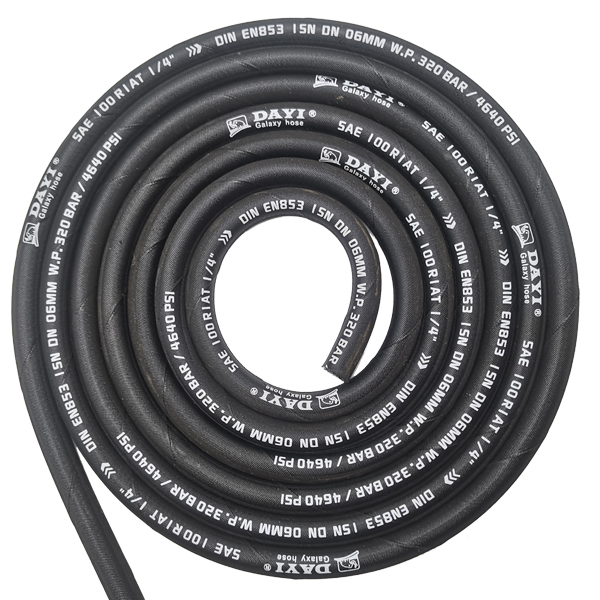
China two wire braided high pressure hydraulic hose constitutes a critical component in fluid power systems across diverse industries, including construction, agriculture, manufacturing, and mining. Positioned within the hydraulic system's transmission network, its primary function is the safe and efficient conveyance of pressurized hydraulic fluid. These hoses are distinguished by their construction, typically featuring an inner tube composed of synthetic rubber, a dual-layer high-tensile steel wire reinforcement braid, and an abrasion-resistant outer cover. Core performance characteristics are defined by working pressure, burst pressure, temperature range, and fluid compatibility. A key industry pain point revolves around ensuring consistent performance under extreme conditions—varying temperatures, pressures, and aggressive fluid types—while mitigating failure risks which can lead to costly downtime and safety hazards. The selection of appropriate hose construction, materials, and adherence to stringent quality control are paramount for long-term reliability and operational efficiency.
Material Science & Manufacturing
The construction of a two-wire braided hydraulic hose relies heavily on specific material properties. The inner tube is commonly formulated from nitrile rubber (NBR) or ethylene propylene diene monomer (EPDM) rubber, selected based on fluid compatibility. NBR exhibits excellent resistance to petroleum-based hydraulic fluids, while EPDM excels in applications involving phosphate ester fluids. The steel wire reinforcement, typically high-carbon steel, undergoes a braiding process. This process involves helically winding two layers of steel wire around the inner tube, providing significant pressure-withstanding capability. Wire surface treatment, often galvanization or passivation, is crucial to prevent corrosion. The outer cover, typically a synthetic rubber like chloroprene (CR) or polyurethane (PU), provides abrasion, weather, and ozone resistance. Manufacturing begins with extrusion of the inner tube, followed by precise winding of the steel wire braids. Critical parameters during braiding include wire tension, pitch angle, and coverage percentage, directly impacting the hose's pressure rating. The outer cover is then extruded, and the hose undergoes vulcanization – a curing process utilizing heat and pressure to crosslink the rubber compounds, establishing the final material properties. Quality control includes dimensional inspection, pressure testing, and burst testing, often employing automated systems for consistency.

Performance & Engineering
Performance analysis of these hoses is centered around stress analysis under pressure. The steel wire braid bears the majority of the tensile stress induced by internal fluid pressure. The inner tube must withstand the pressure without deformation or leakage. Finite element analysis (FEA) is frequently used to model stress distribution within the hose structure under various loading conditions, optimizing braid angle and wire diameter for maximum pressure rating. Environmental resistance is also critical. Temperature fluctuations induce thermal expansion and contraction, creating stress. Exposure to UV radiation, ozone, and chemicals can degrade the rubber compounds, reducing flexibility and increasing the risk of cracking. Hydraulic fluid compatibility is paramount; incompatible fluids can cause swelling, softening, or chemical attack of the inner tube. Compliance with industry standards, such as SAE J517, dictates minimum performance requirements for pressure rating, temperature range, and fluid compatibility. Furthermore, hose assemblies incorporating fittings require careful engineering to ensure proper crimp specifications and prevent premature failure at the fitting connection points. Consideration must be given to dynamic bending and flexing, as repeated motion induces fatigue, potentially leading to wire breakage or cover degradation.
Technical Specifications
| Parameter | Unit | SAE 100R2AT | DIN EN 853 2SN |
|---|---|---|---|
| Working Pressure | MPa | 31.5 | 31.5 |
| Burst Pressure | MPa | 105 | 105 |
| Temperature Range | °C | -40 to +100 | -40 to +100 |
| Inner Tube | Material | NBR | NBR |
| Reinforcement | Layers | Two Steel Wire Braid | Two Steel Wire Braid |
| Outer Cover | Material | CR | CR |
Failure Mode & Maintenance
Common failure modes in two-wire braided hydraulic hoses include burst failure due to exceeding pressure limits, pinhole leaks caused by inner tube degradation or damage, and fitting failures resulting from improper crimping or corrosion. Fatigue cracking, particularly in the steel wire braid, can occur due to repeated bending and flexing. External abrasion can compromise the outer cover, exposing the reinforcement to corrosion. Internal corrosion can occur if incompatible fluids are used, leading to inner tube degradation and blockage. Oxidation of the rubber compounds can result in hardening and cracking, reducing flexibility and increasing the risk of failure. Preventive maintenance is crucial. Regular visual inspections should be conducted to identify signs of abrasion, cracking, or leakage. Hoses should be replaced periodically, based on manufacturer recommendations and operating conditions. Proper routing and support are essential to minimize bending stress and abrasion. Fluid cleanliness is paramount; contaminants can accelerate wear and corrosion. Correct fitting selection and crimping procedures are critical to ensure secure connections. Avoid sharp bends and kinking, as these concentrate stress and can lead to premature failure. Regularly check for fluid compatibility with the hose materials.
Industry FAQ
Q: What is the impact of impulse pressure on hose lifespan?
A: Impulse pressure, or pressure spikes, significantly reduces hose lifespan. These pressure surges generate dynamic stress in the hose structure, accelerating fatigue in the steel wire braid and potentially causing premature failure. Using accumulators or pulsation dampeners in the hydraulic system can mitigate impulse pressure.
Q: How does fluid velocity affect hose performance?
A: High fluid velocity can increase pressure drop and induce erosion of the inner tube, particularly at bends. Excessive velocity also contributes to heat generation, potentially degrading the rubber compounds. Selecting a hose with an appropriate inner diameter for the flow rate is crucial.
Q: What are the key considerations when selecting a hose for outdoor applications?
A: Outdoor applications require hoses with excellent weather resistance, including UV and ozone protection. The outer cover material should be resistant to degradation from sunlight and temperature extremes. Consider using hoses with specialized outer covers designed for extended outdoor exposure.
Q: What is the importance of proper hose assembly?
A: Improper hose assembly, particularly incorrect crimping of fittings, is a leading cause of hose failure. The crimp must create a secure connection without damaging the hose reinforcement. Utilizing calibrated crimping tools and following manufacturer’s specifications are essential.
Q: Can different hydraulic fluids be used interchangeably in the same hose?
A: No. Hydraulic fluids have different chemical properties. Using an incompatible fluid can cause the inner tube to swell, soften, or degrade, leading to leakage or failure. Always verify fluid compatibility with the hose material before use.
Conclusion
China two wire braided high pressure hydraulic hoses represent a vital component in numerous industrial applications, demanding a thorough understanding of material science, manufacturing processes, and performance characteristics. The selection of appropriate materials, adherence to stringent quality control, and diligent maintenance practices are crucial for maximizing operational reliability and minimizing the risk of catastrophic failure.
Future advancements in hydraulic hose technology will likely focus on developing materials with enhanced temperature resistance, improved chemical compatibility, and reduced weight. Continued refinement of manufacturing techniques, coupled with sophisticated monitoring systems for early failure detection, will further enhance the safety and efficiency of hydraulic systems. Addressing the industry pain points of ensuring long-term durability under harsh conditions will remain a critical area of development.