
Apr . 01, 2024 17:55 Back to list
china two fiber braid hydraulic hose Performance Analysis
Introduction
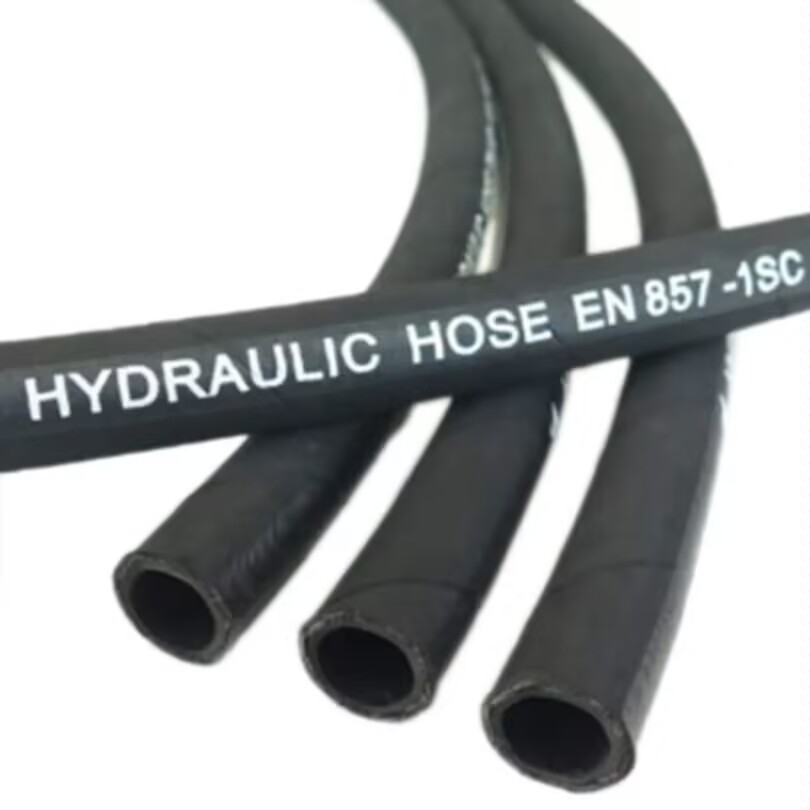
China two fiber braid hydraulic hose represents a common, yet critical, component within hydraulic systems across diverse industrial applications. Positioned within the fluid power transmission chain, these hoses serve as flexible conduits for transferring pressurized hydraulic fluid, enabling the operation of machinery in sectors such as construction, agriculture, manufacturing, and material handling. This guide provides an in-depth technical analysis of these hoses, covering material composition, manufacturing processes, performance characteristics, failure modes, and relevant industry standards. Core performance attributes include pressure rating, temperature resistance, flexibility, and resistance to hydraulic fluid degradation. A primary industry pain point revolves around ensuring consistent performance and longevity under harsh operating conditions, mitigating potential leakage, and maintaining system safety. The increasing demand for higher operating pressures and more durable hoses drives continuous improvements in material science and construction techniques.
Material Science & Manufacturing
The construction of a two-fiber braid hydraulic hose typically involves several layers of specialized materials. The inner tube, in direct contact with the hydraulic fluid, is commonly composed of synthetic rubber compounds such as nitrile (NBR), chloroprene (CR, Neoprene), or ethylene propylene diene monomer (EPDM). NBR offers excellent resistance to petroleum-based fluids, while CR provides superior resistance to ozone, weathering, and heat. EPDM is preferred for phosphate ester-based hydraulic fluids. The reinforcement layer consists of two braids of high-tensile steel wire, precisely woven to provide pressure resistance and flexibility. The braiding angle is critical; a smaller angle generally provides higher pressure capability but reduced flexibility. Between the inner tube and the reinforcement, a bond layer (typically a rubber compound compatible with both the inner tube and the reinforcement) ensures adhesion and prevents separation. The outer cover is typically constructed of synthetic rubber, often CR or a blend of CR and NBR, offering abrasion resistance, weather protection, and resistance to oil and chemicals.
Manufacturing begins with extrusion of the inner tube, followed by application of the bond layer. The steel wire is then spirally wound to form the first braid, followed by the second braid in the opposite direction. Precise tension control during the braiding process is paramount to achieving uniform pressure distribution and preventing premature failure. Following braiding, the outer cover is extruded, and the hose is subjected to curing, which vulcanizes the rubber compounds, creating a durable and chemically resistant structure. Key process parameters include extrusion temperature, curing time and temperature, and braid tension. Quality control measures involve dimensional checks, pressure testing to burst and impulse pressure specifications, and visual inspection for defects.
Performance & Engineering
The performance of a two-fiber braid hydraulic hose is dictated by several engineering considerations. Burst pressure, the maximum pressure the hose can withstand before rupture, is a critical parameter determined by the reinforcement braid’s material strength, diameter, and braiding angle. Impulse pressure, representing cyclical pressure fluctuations, tests the hose’s fatigue resistance. Flexibility, defined by the bend radius, is essential for installation in confined spaces. Temperature range, both operating and storage, dictates the selection of appropriate rubber compounds. Chemical compatibility, assessing the hose’s resistance to specific hydraulic fluids, is crucial to prevent swelling, degradation, and leakage.
Force analysis considers the tensile stress within the steel braid under pressure, the shear stress within the rubber compounds, and the hoop stress in the hose wall. Finite element analysis (FEA) is often employed to optimize hose geometry and material selection for specific operating conditions. Compliance requirements, dictated by standards such as SAE J517 and EN 856, specify minimum performance criteria for burst pressure, impulse pressure, and temperature range. Proper hose assembly, including crimping of fittings, is critical to ensure a secure and leak-proof connection. Incorrect crimping can lead to premature failure at the fitting interface.
Technical Specifications
| Parameter | Unit | Typical Value (DN13 - 1/2" ID) | Typical Value (DN25 - 1" ID) |
|---|---|---|---|
| Inner Diameter (ID) | mm | 12.7 | 25.4 |
| Outer Diameter (OD) | mm | 19.0 | 34.0 |
| Working Pressure | MPa | 20 | 16 |
| Burst Pressure | MPa | 80 | 64 |
| Temperature Range | °C | -40 to +100 | -40 to +100 |
| Reinforcement | - | 2 Steel Wire Braids | 2 Steel Wire Braids |
| Inner Tube Material | - | NBR | NBR |
Failure Mode & Maintenance
Common failure modes in two-fiber braid hydraulic hoses include burst due to exceeding pressure limits, impulse failure from cyclical pressure fluctuations, pinhole leaks resulting from internal degradation of the rubber, and fitting failure due to improper crimping or corrosion. Fatigue cracking can occur in the steel braids due to repeated bending and flexing. External abrasion can damage the outer cover, exposing the reinforcement to corrosion. Oil permeation through the inner tube can lead to fluid loss and reduced system efficiency.
Preventive maintenance includes regular visual inspections for abrasion, cracking, and leakage. Hose assemblies should be replaced if damage is detected. Correct hose routing, avoiding sharp bends and contact with abrasive surfaces, is crucial. The hydraulic fluid should be regularly analyzed for contamination and degradation. Proper hose assembly procedures, including the use of calibrated crimping tools and appropriate fittings, are essential. Avoid exceeding the hose’s pressure and temperature ratings. In cases of hose failure, a thorough root cause analysis should be conducted to identify the underlying cause and prevent recurrence.
Industry FAQ
Q: What is the impact of hydraulic fluid type on hose selection?
A: Different hydraulic fluids have varying chemical compositions and compatibility requirements. Using an incompatible fluid can cause the inner tube to swell, degrade, or crack, leading to leakage and premature failure. For example, phosphate ester fluids require EPDM inner tubes, while petroleum-based fluids are generally compatible with NBR.
Q: How does hose layline marking aid in field identification and traceability?
A: Layline markings provide crucial information about the hose’s manufacturer, manufacturing date, pressure rating, and fluid compatibility. This information allows for proper identification, traceability, and verification of hose specifications during installation and maintenance.
Q: What are the best practices for storing hydraulic hoses to maximize their lifespan?
A: Hydraulic hoses should be stored in a cool, dry, and dark environment, away from direct sunlight, ozone sources, and extreme temperatures. Hoses should be coiled loosely and stored horizontally to prevent kinking or distortion. Avoid storing hoses with excessive weight placed on them.
Q: Can a two-fiber braid hose be used in vacuum applications?
A: Generally, two-fiber braid hydraulic hoses are not recommended for sustained vacuum applications. The hose walls can collapse under vacuum pressure. Specialized vacuum hoses with reinforced construction are required for such applications.
Q: What is the role of fitting material in ensuring a long-lasting hose assembly?
A: The fitting material must be compatible with both the hose end and the hydraulic fluid. Carbon steel fittings are commonly used, but stainless steel fittings may be required for corrosive environments. Proper crimping of the fitting onto the hose is crucial to create a secure and leak-proof seal.
Conclusion
China two fiber braid hydraulic hoses represent a workhorse solution for fluid power transmission across a wide spectrum of industrial applications. Their robust construction, utilizing layered materials and precision manufacturing techniques, provides reliable performance under demanding conditions. However, proper selection, installation, and maintenance are paramount to ensuring longevity and preventing catastrophic failure. Understanding the material science, engineering principles, and potential failure modes outlined in this guide is critical for optimizing hose performance and maintaining system safety.
The continued evolution of hydraulic hose technology will likely focus on developing more durable materials, improving manufacturing processes, and incorporating advanced monitoring systems to predict and prevent failures. The integration of smart hose technologies, featuring embedded sensors to measure pressure, temperature, and fluid condition, offers the potential for proactive maintenance and enhanced system reliability. Adherence to relevant industry standards and best practices remains essential for ensuring the safe and efficient operation of hydraulic systems.