
Apr . 01, 2024 17:55 Back to list
china thermoplastic hose sae100r8 Performance Analysis
Introduction
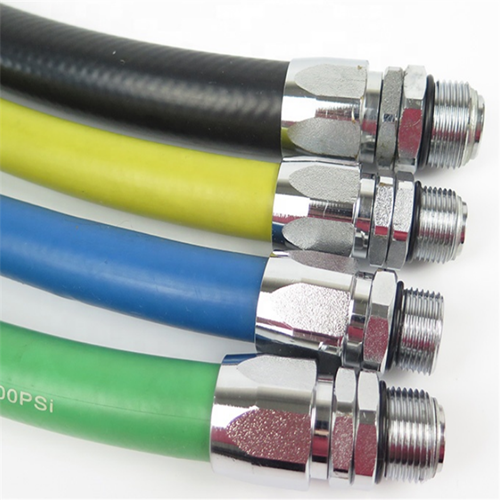
SAE 100R8 thermoplastic hose represents a critical component in hydraulic fluid power systems across diverse industries including construction, agriculture, and manufacturing. This hose standard, defined by the Society of Automotive Engineers (SAE), specifies performance requirements for non-metallic, synthetic reinforced hydraulic hoses intended for use with petroleum-based hydraulic fluids. China thermoplastic hose SAE 100R8, manufactured in China, aims to meet or exceed these stringent standards, offering a cost-effective alternative to hoses produced in other regions. The core performance characteristics revolve around pressure rating, temperature resistance, impulse performance, and fluid compatibility. A critical pain point within the industry lies in maintaining consistent quality control and traceability across diverse manufacturing facilities. The material composition – typically a thermoplastic inner tube, multiple layers of high-tensile synthetic fiber reinforcement, and a weather-resistant polyurethane outer cover – dictates its suitability for specific applications. Understanding the interplay of these components and their adherence to SAE 100R8 specifications is paramount for ensuring system reliability and operator safety.
Material Science & Manufacturing
The constituent materials of a China thermoplastic hose SAE 100R8 significantly impact its performance characteristics. The inner tube is commonly constructed from thermoplastic materials such as Polyamide (Nylon 12) or Polyester. Nylon 12 exhibits excellent chemical resistance to hydrocarbons, fuels, and many aggressive fluids, alongside good abrasion resistance. Polyester offers comparable chemical resistance at a potentially lower cost, though it typically exhibits lower abrasion resistance. The reinforcement layers are crucial for providing pressure resistance. High-tensile strength synthetic fibers, primarily Aramid (Kevlar) or Polyester yarns, are spirally wound around the inner tube. Aramid fibers offer superior strength and impulse resistance but come at a higher price point. Polyester reinforcement provides adequate strength for moderate pressure applications. The outer cover, typically polyurethane-based, provides abrasion, ozone, and weathering resistance. Manufacturing processes involve extrusion of the inner tube, followed by precise winding of the reinforcement layers under tension. Maintaining consistent tension during winding is critical to prevent hose distortion and ensure uniform pressure rating. The outer cover is then extruded over the reinforced tube. Critical parameters include extrusion temperature control for the thermoplastic inner tube (to prevent degradation), reinforcement layer winding angle (impacting burst pressure), and polyurethane cure rate (affecting cover durability). Quality control measures, including hydrostatic pressure testing and impulse testing, are essential to verify adherence to SAE 100R8 standards. The manufacturing processes are heavily influenced by the precision of the machinery and the quality of the raw materials sourcing.
Performance & Engineering
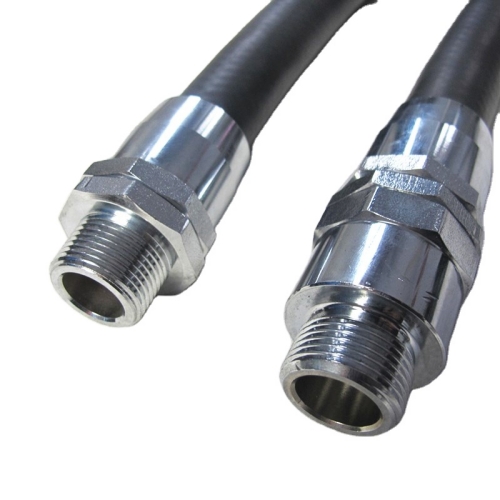
Performance evaluation of China thermoplastic hose SAE 100R8 centers around several key engineering principles. Burst pressure, defined as the pressure at which the hose fails catastrophically, is a primary safety parameter, directly related to the reinforcement layer design and material properties. Working pressure, typically 4:1 safety factor below the burst pressure, dictates the maximum allowable operating pressure. Impulse pressure resistance, the hose's ability to withstand cyclical pressure fluctuations, is governed by the reinforcement’s elasticity and damping characteristics. Temperature range is another critical factor; exceeding the specified temperature limits can lead to material degradation and reduced performance. Force analysis involves calculating hoop stress within the hose wall under pressure. Finite Element Analysis (FEA) is often employed to model stress distribution and optimize hose construction. Environmental resistance encompasses resistance to ozone, UV radiation, and chemical exposure. SAE 100R8 compliance requires adherence to specific testing procedures outlined in the standard, including hydrostatic testing, impulse testing, and temperature cycling. A major engineering challenge revolves around balancing pressure resistance with flexibility. Increasing reinforcement layers enhances pressure capacity but reduces flexibility, potentially hindering installation and application. Fluid compatibility is also vital; the inner tube material must resist swelling, degradation, or leaching when exposed to the hydraulic fluid in use. Proper hose assembly, utilizing compatible fittings and correct crimping procedures, is equally critical to ensure long-term performance and prevent premature failure.
Technical Specifications
| Parameter | SAE 100R8 Standard | Typical China Thermoplastic Hose SAE 100R8 | Testing Method |
|---|---|---|---|
| Working Pressure (PSI) | Up to 3000 PSI | 1500 - 3000 PSI (varies by size & construction) | SAE J517 |
| Burst Pressure (PSI) | Minimum 4x Working Pressure | 6000 - 12000 PSI (varies by size & construction) | SAE J517 |
| Temperature Range (°F) | -40°F to +250°F (-40°C to +121°C) | -40°F to +250°F (-40°C to +121°C) | SAE J517 |
| Inner Tube Material | Nylon 12, Polyester | Nylon 12, Polyester | ASTM D2000 |
| Reinforcement | Synthetic Fiber (Aramid, Polyester) | Polyester (typically) | Visual Inspection & Tensile Testing |
| Outer Cover | Polyurethane | Polyurethane | ASTM D2000 |
Failure Mode & Maintenance
Failure modes in China thermoplastic hose SAE 100R8 can be attributed to several factors. Fatigue cracking, arising from repeated pressure cycles and flexing, is a common cause of failure, particularly in areas of high stress concentration (e.g., near fittings). Delamination, the separation of reinforcement layers, can occur due to insufficient bonding between layers or exposure to aggressive fluids. Degradation of the thermoplastic inner tube or polyurethane outer cover, induced by prolonged exposure to high temperatures, UV radiation, or incompatible fluids, leads to loss of flexibility and eventual failure. Oxidation, particularly of the outer cover, can cause surface cracking and reduced weather resistance. Improper hose assembly, such as incorrect crimping of fittings or use of incompatible fittings, creates stress points and increases the risk of premature failure. Maintenance strategies include regular visual inspections for signs of cracking, abrasion, or swelling. Periodic pressure testing can detect subtle leaks or weakening of the hose. Proper storage, away from direct sunlight and extreme temperatures, extends hose life. When replacing a hose, it’s crucial to ensure compatibility with the hydraulic fluid and to use correctly sized and crimped fittings. Avoid sharp bends and kinking during installation. Record keeping of hose replacement dates and inspection results provides valuable data for predictive maintenance and failure analysis. It is crucial to retire any hose exhibiting signs of damage or exceeding its recommended service life.
Industry FAQ
Q: What is the significance of the SAE 100R8 standard and how does it relate to hose quality?
A: The SAE 100R8 standard is a performance benchmark for thermoplastic hydraulic hoses. Adherence to this standard ensures that the hose meets minimum requirements for pressure rating, temperature resistance, and impulse performance, guaranteeing a level of safety and reliability. Hoses certified to SAE 100R8 have undergone rigorous testing and validation, providing assurance of consistent quality. However, variations exist within the standard based on construction and material choices, so understanding specific ratings is crucial.
Q: How does the reinforcement material (Aramid vs. Polyester) impact hose performance and cost?
A: Aramid reinforcement offers significantly higher tensile strength and impulse resistance compared to polyester. This translates to a higher burst pressure and improved durability in demanding applications with cyclical pressure. However, Aramid is considerably more expensive than polyester. Polyester reinforcement provides a cost-effective solution for applications with moderate pressure requirements and less frequent impulse loads.
Q: What is the impact of hydraulic fluid compatibility on hose lifespan?
A: Incompatibility between the hose's inner tube material and the hydraulic fluid can cause swelling, degradation, or leaching of components, leading to premature failure. Nylon 12 generally exhibits broad compatibility with petroleum-based fluids, while other materials may be more sensitive. Always verify fluid compatibility before selecting a hose.
Q: What are the common causes of hose failure, and how can they be prevented?
A: Common failure modes include fatigue cracking, delamination, and material degradation. These can be prevented through proper hose selection (matching hose to application requirements), correct installation (using appropriate fittings and crimping procedures), regular inspections (identifying signs of damage), and proper maintenance (avoiding over-pressurization and exposure to harsh environments).
Q: What is the role of crimping in hose assembly, and what are the potential consequences of improper crimping?
A: Crimping securely attaches the hose to the fittings, creating a leak-proof and high-pressure connection. Improper crimping – either too loose or too tight – can compromise the seal, leading to leaks or premature failure. Too loose a crimp allows for movement and potential leakage, while too tight a crimp can damage the hose reinforcement. Use of calibrated crimping tools and adherence to fitting manufacturer's specifications are critical.
Conclusion
China thermoplastic hose SAE 100R8, when manufactured to stringent quality control standards and compliant with the SAE 100R8 specification, provides a viable and cost-effective solution for hydraulic fluid power applications. Its performance characteristics—pressure rating, temperature resistance, and impulse performance—are dictated by the interplay between thermoplastic inner tube, synthetic fiber reinforcement, and polyurethane outer cover. Understanding the material properties and manufacturing processes is crucial for selecting the appropriate hose for specific operating conditions.
Looking ahead, advancements in material science, such as the development of improved thermoplastic compounds and reinforcement materials, will likely enhance the performance and durability of these hoses. Increased focus on traceability and quality assurance throughout the manufacturing process will further solidify their position as a reliable component within hydraulic systems. Continued adherence to international standards and best practices in hose assembly will be essential for ensuring long-term system reliability and operator safety.