
Apr . 01, 2024 17:55 Back to list
china thermoplastic hose sae100r7 Performance Analysis
Introduction
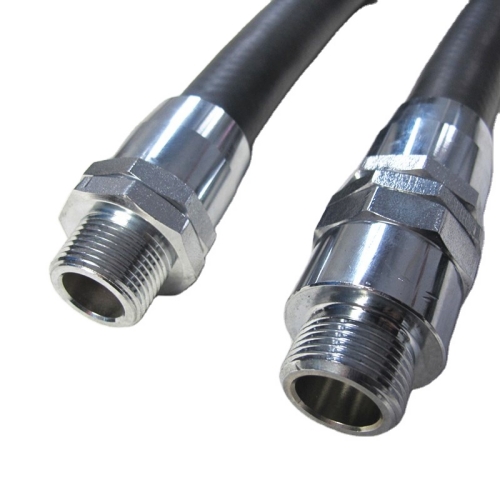
Thermoplastic hose conforming to SAE 100R7 standards represents a critical component in fluid conveyance systems across diverse industrial and automotive applications. This guide provides a comprehensive technical overview of these hoses, focusing on material composition, manufacturing processes, performance characteristics, failure modes, and relevant industry standards. SAE 100R7 hoses are characterized by their non-metallic construction, offering advantages in terms of weight reduction, corrosion resistance, and flexibility compared to traditional rubber hoses reinforced with steel wire. They are primarily designed for use with petroleum-based hydraulic fluids, air, and water, operating within specified temperature and pressure ranges. Understanding the nuances of these hoses is paramount for ensuring system reliability, safety, and longevity. This document addresses critical aspects for engineers, procurement managers, and maintenance personnel involved in the selection, implementation, and maintenance of thermoplastic hose assemblies.
Material Science & Manufacturing
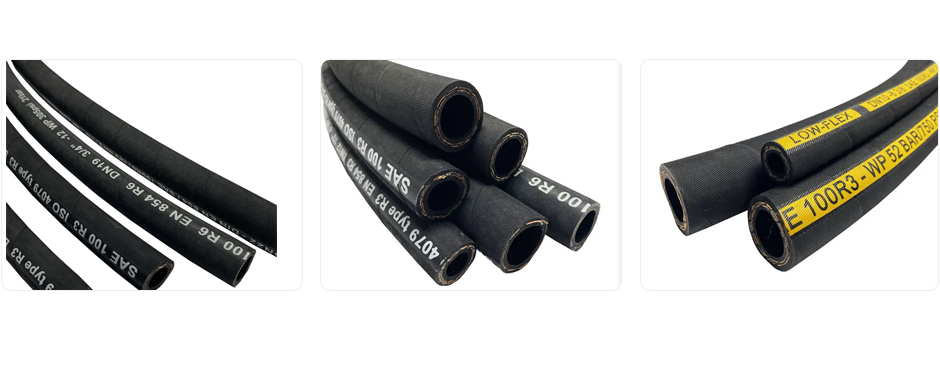
SAE 100R7 thermoplastic hoses typically employ a multi-layered construction. The inner tube, responsible for fluid contact, is commonly composed of polypropylene (PP), nylon (Polyamide 6 or 6,6), or polyethylene (PE). Polypropylene offers good chemical resistance to a wide range of fluids, while nylon provides superior strength and abrasion resistance. Polyethylene is often used in lower-pressure applications due to its lower cost. The reinforcement layer, crucial for withstanding pressure, consists of high-tensile strength textile braiding, often utilizing polyester or aramid fibers. Polyester provides a balance of cost and performance, while aramid offers exceptional strength and temperature resistance. The outer cover, designed for environmental protection, is typically made of a thermoplastic elastomer (TPE) such as polyurethane or a modified polypropylene compound. TPEs provide resistance to abrasion, UV degradation, and oil penetration. The manufacturing process typically involves extrusion of the inner tube and outer cover, followed by precise braiding of the reinforcement layer. Parameter control is vital during extrusion, including temperature profiles, screw speed, and die geometry, to ensure dimensional accuracy and consistent material properties. Braiding tension and angle are critical parameters influencing hose burst pressure and flexibility. Post-braiding processes include vulcanization (for some TPE covers to improve bonding), dimensional inspection, and pressure testing to verify performance against SAE 100R7 specifications. Material compatibility is also a critical factor; selecting materials that are chemically compatible with the conveyed fluids is crucial to prevent degradation and ensure long-term performance.
Performance & Engineering
The performance of SAE 100R7 hoses is dictated by several key engineering parameters. Burst pressure, a primary design criterion, is determined by the reinforcement layer’s tensile strength and the inner tube’s ability to contain the fluid. Hose assemblies must withstand a minimum burst pressure four times the working pressure, as defined by SAE standards. Tensile strength, measuring the hose's resistance to axial load, is critical for handling installation stresses and dynamic loading. Flexibility, quantified by bend radius, influences the hose's ability to navigate tight spaces without kinking or compromising fluid flow. Environmental resistance, including UV stability, ozone resistance, and temperature tolerance, is paramount for outdoor applications or those exposed to harsh conditions. Chemical compatibility is assessed by evaluating the hose materials' resistance to swelling, degradation, and leaching when exposed to the conveyed fluids. Force analysis during assembly, including the stresses induced by fitting crimping, is crucial to prevent premature failure. Finite element analysis (FEA) is often employed to optimize hose design and predict performance under various loading conditions. SAE 100R7 hoses are expected to comply with stringent safety regulations, including pressure testing and material traceability requirements. Leakage testing is essential to verify the integrity of the hose and fittings, ensuring fluid containment and preventing environmental contamination.
Technical Specifications
| Parameter | Unit | SAE 100R7 Type A (PP Inner Tube) | SAE 100R7 Type B (Nylon Inner Tube) |
|---|---|---|---|
| Working Pressure | MPa | 20.7 | 27.6 |
| Burst Pressure | MPa | 82.7 | 110.2 |
| Temperature Range | °C | -40 to +100 | -40 to +121 |
| Inner Diameter | mm | 6.35 - 50.8 | 6.35 - 50.8 |
| Outer Diameter | mm | 10 - 63.5 | 10 - 63.5 |
| Minimum Bend Radius | mm | 5 x OD | 6 x OD |
Failure Mode & Maintenance
SAE 100R7 thermoplastic hoses are susceptible to several failure modes. Fatigue cracking, arising from repeated bending and flexing, is a common issue, particularly in dynamic applications. Delamination, the separation of layers within the hose wall, can occur due to inadequate bonding between the inner tube, reinforcement, and outer cover. Chemical degradation, caused by incompatibility with the conveyed fluid, results in swelling, softening, and ultimately, failure of the hose material. Abrasion, especially in harsh environments, can wear away the outer cover, exposing the reinforcement layer to corrosion and damage. Oxidation, accelerated by high temperatures and exposure to oxygen, leads to material embrittlement and reduced flexibility. Kinking, caused by excessive bending below the minimum bend radius, restricts fluid flow and can lead to localized stress concentrations and rupture. Maintenance practices should include regular visual inspections for cracks, abrasions, and leaks. Hose assemblies should be replaced if any signs of damage are detected. Proper storage conditions, avoiding direct sunlight and extreme temperatures, are essential to prolong hose life. Periodic pressure testing can verify the integrity of the hose assembly. Avoid over-bending or twisting the hose during installation and operation. Ensure proper fitting crimping to maintain a secure connection and prevent leakage. Documentation of hose service history, including date of installation and fluid compatibility, is crucial for effective maintenance planning.
Industry FAQ
Q: What is the primary difference between Type A and Type B SAE 100R7 hoses, and which should I specify for hydraulic oil applications?
A: The key difference lies in the inner tube material. Type A utilizes polypropylene, offering good general chemical resistance, while Type B employs nylon, providing superior strength and abrasion resistance. For hydraulic oil applications, Type B is generally recommended due to its better compatibility with most hydraulic fluids and its enhanced durability, especially under high pressure and abrasive conditions. However, always verify fluid compatibility with the specific hose manufacturer’s data sheet.
Q: How does temperature affect the performance and lifespan of a thermoplastic hose?
A: Temperature significantly impacts thermoplastic hose performance. Exceeding the specified temperature range can lead to material softening, reduced pressure capacity, and accelerated degradation. Low temperatures can cause increased brittleness and reduced flexibility. Prolonged exposure to high temperatures accelerates oxidation and chemical breakdown. It is critical to select a hose rated for the expected operating temperature and to avoid exceeding those limits.
Q: What are the common causes of hose failure related to fitting crimping?
A: Improper crimping is a frequent cause of hose failure. Under-crimping results in a loose connection, leading to leakage and potential hose blow-off. Over-crimping can damage the hose reinforcement, reducing its burst pressure and causing premature failure. Using incorrect crimping dies or procedures can also lead to problems. Regular inspection of crimped fittings and adherence to manufacturer's crimping specifications are essential.
Q: How important is the selection of the correct reinforcement material, and what are the trade-offs?
A: The reinforcement material is crucial for determining the hose’s pressure rating and flexibility. Polyester reinforcement offers a good balance of cost and performance. Aramid reinforcement provides superior strength and temperature resistance but is significantly more expensive. The selection depends on the application’s specific pressure, temperature, and cost requirements. Aramid is preferred for demanding applications involving high pressures and temperatures.
Q: What preventative measures can be taken to extend the service life of SAE 100R7 hoses?
A: Implementing a robust preventative maintenance program is key. This includes regular visual inspections for damage, proper storage to avoid UV exposure and extreme temperatures, avoiding over-bending or twisting, ensuring correct fitting crimping, and selecting hoses compatible with the conveyed fluids. Documenting hose service history helps track performance and schedule timely replacements.
Conclusion
SAE 100R7 thermoplastic hoses represent a versatile and reliable solution for numerous fluid conveyance applications. Their lightweight construction, corrosion resistance, and flexibility offer advantages over traditional rubber hoses. However, understanding the intricacies of material science, manufacturing processes, performance characteristics, and potential failure modes is paramount for ensuring optimal performance and longevity. Proper selection, installation, and maintenance, guided by adherence to SAE standards and manufacturer’s recommendations, are essential for maximizing the service life and minimizing the risk of catastrophic failures.
Future advancements in thermoplastic hose technology are likely to focus on developing new materials with enhanced chemical resistance, higher temperature tolerance, and improved abrasion resistance. Furthermore, the integration of smart sensors and monitoring systems could enable real-time assessment of hose condition, providing predictive maintenance capabilities and improving overall system reliability. Continuous improvement in manufacturing processes, coupled with stringent quality control measures, will remain crucial for ensuring the consistent performance and safety of these critical components.