
Apr . 01, 2024 17:55 Back to list
china suction and delivery hose Performance Analysis
Introduction
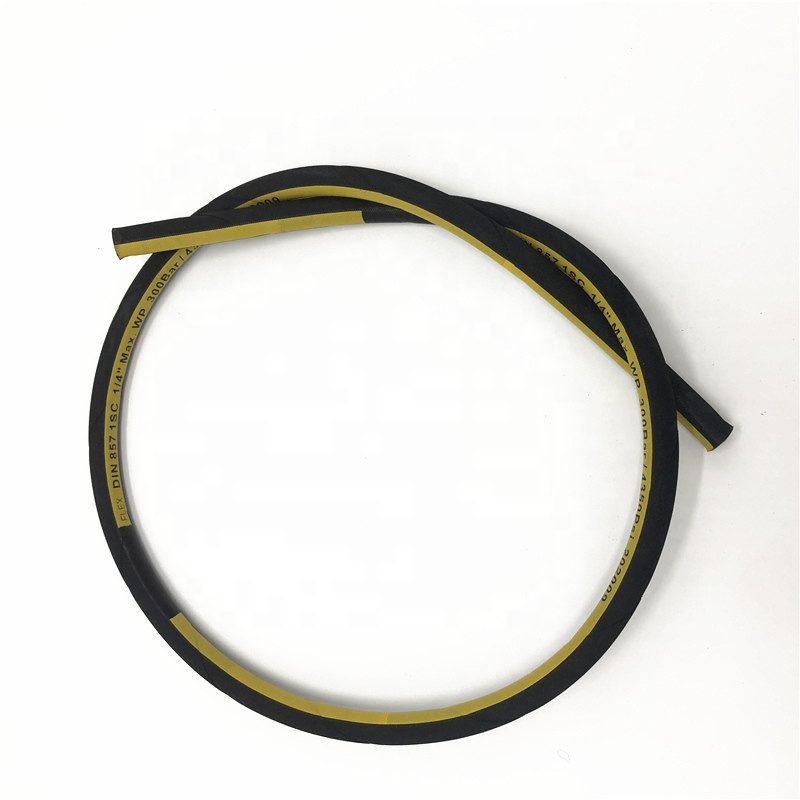
China suction and delivery hose represents a critical component in fluid transfer systems across diverse industrial applications, including agriculture, construction, mining, and chemical processing. Functionally, these hoses facilitate the conveyance of liquids and slurries, ranging from water and petroleum-based products to abrasive materials and chemical solutions. They are typically categorized by working pressure, diameter, and material composition, with specific designs tailored to address the unique challenges of each industry. Positioned within the supply chain, they bridge the gap between pumping systems and end-use applications, demanding high reliability and performance to prevent costly downtime and ensure operational efficiency. Core performance characteristics are centered around burst pressure, tensile strength, abrasion resistance, and chemical compatibility, determined by the hose's construction materials and manufacturing processes.
Material Science & Manufacturing
The primary material for China suction and delivery hose is typically synthetic rubber, with common formulations including Natural Rubber (NR), Styrene-Butadiene Rubber (SBR), Ethylene Propylene Diene Monomer (EPDM), and Polyvinyl Chloride (PVC). NR offers excellent flexibility and abrasion resistance but limited resistance to oils and chemicals. SBR provides a cost-effective alternative with moderate abrasion resistance and oil resistance. EPDM excels in weathering and chemical resistance, making it suitable for demanding environments, while PVC is valued for its cost-effectiveness and chemical inertness. Reinforcement layers, commonly composed of high-tensile textile plies (typically polyester or nylon) or steel wire helices, are embedded within the rubber matrix to enhance burst pressure and prevent collapse under vacuum conditions. The manufacturing process generally involves extrusion of the rubber compound, followed by reinforcement layer application (either spirally wrapped or braided), and finally, vulcanization – a chemical process utilizing heat and pressure to crosslink the rubber molecules, thereby imparting elasticity, strength, and durability. Critical parameters during extrusion include die temperature, screw speed, and material feed rate. Vulcanization parameters, such as temperature, pressure, and curing time, are precisely controlled to ensure optimal rubber properties. Quality control at this stage includes dimensional checks, hardness testing, and tensile strength analysis.

Performance & Engineering
Performance of suction and delivery hose is fundamentally governed by principles of fluid mechanics and material stress-strain relationships. Burst pressure, a critical specification, is determined by the tensile strength of the reinforcement layers and the rubber compound. The hose must withstand pressures significantly exceeding the maximum operating pressure to ensure safety. Tensile strength measures the hose’s resistance to stretching and tearing, vital for handling heavy loads and preventing failure during operation. Suction performance is affected by the hose’s ability to resist collapse under negative pressure, which is directly related to the rigidity of the reinforcement helix. Environmental resistance is crucial, particularly in applications exposed to extreme temperatures, UV radiation, ozone, and chemical spills. EPDM hoses demonstrate superior resistance to weathering and chemical attack compared to NR or SBR. Engineering considerations include optimizing the hose’s wall thickness to balance weight, flexibility, and durability. The hose’s bend radius must be sufficient to prevent kinking and reduce stress on the rubber compound. Compliance requirements vary by region and application; for instance, hoses used in food processing must conform to FDA regulations regarding material safety and leachability. For the oil and gas industry, hoses need to meet API standards for compatibility with hydrocarbons and resistance to permeation.
Technical Specifications
| Parameter | Unit | Typical Value (PVC Hose) | Typical Value (EPDM Hose) |
|---|---|---|---|
| Working Pressure | psi | 150 | 200 |
| Burst Pressure | psi | 450 | 600 |
| Tensile Strength | psi | 2000 | 3000 |
| Diameter | inch | 1 - 4 | 1 - 6 |
| Temperature Range | °F | -20 to 150 | -40 to 250 |
| Vacuum Rating | inHg | 29.9 | 29.9 |
Failure Mode & Maintenance
Common failure modes for suction and delivery hoses include fatigue cracking due to repeated bending and flexing, particularly near fittings. This is exacerbated by exposure to UV radiation and ozone, which degrade the rubber compound. Abrasion wear can occur when transporting abrasive materials, leading to thinning of the hose wall and eventual failure. Chemical attack can cause swelling, softening, or cracking of the rubber, reducing its strength and flexibility. Delamination, the separation of reinforcement layers from the rubber matrix, results from inadequate bonding during vulcanization or exposure to harsh chemicals. Hose collapse can occur under vacuum conditions if the reinforcement helix is damaged or insufficient. To mitigate these failures, regular visual inspections are crucial, looking for cracks, abrasions, swelling, or delamination. Hoses should be stored in a cool, dry place, away from direct sunlight and chemicals. Avoid sharp bends and kinks during operation. Pressure testing should be performed periodically to verify the hose’s integrity. When replacing a hose, ensure the new hose is compatible with the conveyed fluid and operating conditions. Proper fitting installation, using correct clamping techniques, is essential to prevent leaks and stress concentrations. Regular cleaning of the hose exterior helps to prevent the build-up of contaminants that can accelerate degradation.
Industry FAQ
Q: What is the primary difference between a suction hose and a delivery hose?
A: While both transfer fluids, suction hoses are specifically designed to withstand vacuum conditions and prevent collapse during the intake process. They typically feature a reinforced helix structure to maintain their diameter under negative pressure. Delivery hoses, conversely, are designed to handle positive pressure and are optimized for flow rate and burst resistance. Their reinforcement is geared towards withstanding internal pressure, rather than external collapse.
Q: How does temperature affect the performance of rubber hoses?
A: Temperature significantly impacts rubber elasticity and strength. High temperatures can cause the rubber to soften and lose its tensile strength, increasing the risk of failure. Low temperatures can make the rubber brittle and prone to cracking. Each rubber compound has a specific operating temperature range; exceeding these limits can compromise performance and lifespan.
Q: What level of chemical resistance should I expect from an EPDM hose?
A: EPDM exhibits excellent resistance to a broad range of chemicals, including acids, alkalis, ketones, and alcohols. It’s particularly well-suited for applications involving water, steam, and glycol-based fluids. However, it is not compatible with petroleum-based oils and fuels, which can cause swelling and degradation.
Q: How do I determine the correct hose diameter for my application?
A: Hose diameter is determined by the required flow rate, fluid viscosity, and distance of the transfer. Undersized hoses create excessive pressure drop, reducing flow and increasing energy consumption. Oversized hoses can be unnecessarily expensive and cumbersome. Fluid dynamics calculations or consulting with a hose supplier are recommended to determine the optimal diameter.
Q: What are the implications of exceeding the working pressure of a hose?
A: Exceeding the working pressure significantly increases the risk of catastrophic failure, potentially resulting in hose rupture and release of the conveyed fluid. This can lead to equipment damage, personal injury, and environmental contamination. Always operate hoses within their specified pressure limits and implement pressure relief mechanisms where appropriate.
Conclusion
China suction and delivery hose, through careful material selection and precise manufacturing, are vital components in countless industrial processes. Understanding the interplay between material properties, engineering principles, and operational conditions is paramount for ensuring optimal performance and reliability. Proper specification, installation, and maintenance practices are essential to mitigate failure modes and maximize the service life of these critical fluid transfer elements.
Future advancements in hose technology are likely to focus on developing more durable and chemically resistant materials, incorporating smart sensors for real-time monitoring of hose condition, and implementing advanced manufacturing techniques to enhance quality control and reduce production costs. Continued innovation in this field will contribute to increased efficiency, safety, and sustainability across a wide spectrum of industries.