
Apr . 01, 2024 17:55 Back to list
china steel wire braided hydraulic hose Performance Analysis
Introduction
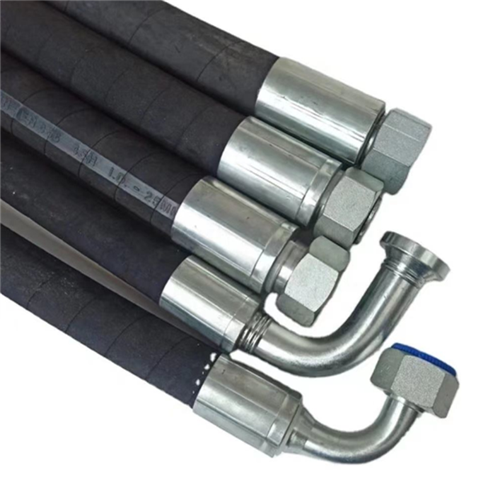
China steel wire braided hydraulic hose represents a critical component in fluid power systems across a multitude of industrial applications, including construction machinery, agricultural equipment, oil and gas exploration, and manufacturing processes. These hoses are engineered to convey hydraulic fluid under high pressure, transmitting power to actuators and other hydraulic components. The core construction comprises an inner tube, typically made of synthetic rubber compounds resistant to hydraulic fluids, a reinforcing layer of high-tensile steel wire braid providing pressure resistance, and an outer cover offering abrasion, weathering, and chemical protection. The industry faces increasing demands for higher working pressures, extended service life, and enhanced safety features, driving continuous innovation in material science and manufacturing techniques. This guide provides a comprehensive technical overview of these hoses, encompassing material properties, manufacturing processes, performance characteristics, failure modes, and relevant industry standards.
Material Science & Manufacturing
The performance of a steel wire braided hydraulic hose is fundamentally dictated by the properties of its constituent materials. The inner tube is commonly constructed from nitrile rubber (NBR), chloroprene rubber (CR), or ethylene propylene diene monomer (EPDM) rubber, each offering specific resistance profiles to different hydraulic fluids (mineral oil, synthetic fluids, phosphate esters). NBR provides excellent resistance to petroleum-based oils but limited resistance to ozone and weathering. CR offers superior ozone and weathering resistance but may have lower oil resistance. EPDM exhibits excellent heat, ozone, and weathering resistance and compatibility with phosphate ester fluids. The steel wire braid, typically high-carbon steel, provides the primary reinforcement resisting hoop stress from internal pressure. Wire gauge (diameter) and braid angle are crucial parameters; a smaller wire gauge and tighter braid angle result in higher pressure capacity. The outer cover is usually a synthetic rubber compound (e.g., CR, SBR) providing abrasion resistance, UV protection, and resistance to environmental factors. Manufacturing involves several key stages: inner tube extrusion, steel wire braid plaiting, hose assembly (braid application), outer cover extrusion, and final inspection/testing. Critical parameter controls include maintaining precise rubber compound formulations, ensuring consistent braid coverage and angle, and controlling vulcanization (curing) temperature and time to achieve optimal rubber crosslinking and mechanical properties. Post-cure heat treatment is often employed to stabilize the rubber and enhance its long-term performance.
Performance & Engineering
The engineering design of steel wire braided hydraulic hoses necessitates a thorough understanding of fluid dynamics and stress analysis. Burst pressure, working pressure, and pulse pressure are critical performance parameters. Burst pressure represents the maximum pressure the hose can withstand before catastrophic failure, typically tested according to SAE J517 standards. Working pressure is a fraction of the burst pressure (typically 50-75%) defining the maximum continuous operating pressure. Pulse pressure refers to pressure fluctuations, which can induce fatigue failure over time. Finite Element Analysis (FEA) is routinely employed to model stress distribution within the hose structure under varying pressure and bending conditions. Bend radius is a significant factor; exceeding the minimum bend radius can cause kinking, leading to localized stress concentrations and premature failure. Temperature extremes also impact performance. Elevated temperatures can degrade rubber compounds, reducing their elasticity and pressure resistance. Low temperatures can cause rubber to stiffen, increasing the risk of cracking. Chemical compatibility is paramount; exposure to incompatible fluids can cause swelling, degradation, or embrittlement of the rubber components. Compliance requirements, such as those stipulated by ISO 14330 (hydraulic hose assemblies) and SAE J1926 (hydraulic hose), dictate testing protocols and performance standards that manufacturers must adhere to. Static and dynamic fatigue testing are essential for verifying the hose's long-term durability under realistic operating conditions.
Technical Specifications
| Parameter | Unit | Typical Value (DN20, 2 Wire Braid) | Test Standard |
|---|---|---|---|
| Working Pressure | MPa | 20.7 | SAE J517 |
| Burst Pressure | MPa | 82.7 | SAE J517 |
| Inner Tube Material | - | NBR | - |
| Reinforcement | - | 2 Steel Wire Braid | - |
| Outer Cover Material | - | CR | - |
| Temperature Range | °C | -40 to +100 | - |
Failure Mode & Maintenance
Failure modes in steel wire braided hydraulic hoses can be attributed to a variety of factors. Fatigue cracking, particularly at the crimp points or around bends, is a common occurrence due to cyclic pressure loading and flexing. Wire braid corrosion, caused by exposure to moisture and corrosive fluids, weakens the reinforcement and reduces pressure capacity. Rubber degradation, resulting from ozone attack, UV exposure, or chemical incompatibility, leads to loss of elasticity and cracking. Abrasion of the outer cover exposes the steel wire braid to corrosion. Kinking, caused by exceeding the minimum bend radius, creates localized stress concentrations and can lead to rupture. Improper installation, such as over-tightening or incorrect hose routing, can also induce premature failure. Regular inspection is crucial for preventative maintenance. Visually inspect the hose for cracks, abrasions, swelling, or leaks. Check the crimp connections for looseness or corrosion. Monitor the hose for any signs of unusual noise or vibration during operation. Recommended maintenance practices include flushing the hydraulic system regularly to remove contaminants, ensuring proper fluid levels, and replacing hoses at scheduled intervals or upon detection of any signs of degradation. Proper storage in a cool, dry, and dark environment can extend the hose’s service life.
Industry FAQ
Q: What is the impact of hydraulic fluid type on hose selection?
A: The type of hydraulic fluid significantly influences hose selection. Different fluids have varying chemical compatibility with rubber compounds. NBR is suitable for mineral oils, while EPDM is preferred for phosphate ester fluids. Using an incompatible fluid can cause swelling, degradation, or hardening of the inner tube, leading to premature failure. Always consult the hose manufacturer's compatibility chart before selecting a hose for a specific fluid.
Q: How does temperature affect the performance of a steel wire braided hose?
A: Temperature extremes can negatively impact hose performance. High temperatures accelerate rubber degradation, reducing elasticity and pressure resistance. Low temperatures can cause rubber to stiffen and become brittle, increasing the risk of cracking. Operating beyond the specified temperature range can significantly reduce the hose’s service life.
Q: What is the significance of the hose braid angle?
A: The braid angle affects the hose's pressure capacity and flexibility. A tighter braid angle generally provides higher pressure resistance but reduces flexibility. A shallower braid angle offers greater flexibility but lower pressure capacity. The optimal braid angle is a compromise between these two factors, determined by the application requirements.
Q: What are the common causes of hose crimp failure?
A: Crimp failure can result from several factors, including improper crimping procedures, corrosion of the crimp sleeve or fitting, fatigue cracking due to vibration, and exceeding the hose’s pressure or temperature limits. Regular inspection of crimp connections and proper installation are critical for preventing crimp failures.
Q: How do I determine the appropriate bend radius for a hydraulic hose?
A: The minimum bend radius is specified by the hose manufacturer and is crucial to prevent kinking and localized stress concentrations. Exceeding the minimum bend radius can damage the hose and lead to premature failure. Consult the manufacturer's datasheet for the recommended bend radius for the specific hose being used.
Conclusion
China steel wire braided hydraulic hoses are essential components in numerous industrial applications, demanding careful consideration of material selection, manufacturing processes, and operational parameters. The interplay between inner tube compatibility, steel wire braid reinforcement, and outer cover protection dictates the hose’s ability to withstand high pressures, temperature fluctuations, and harsh environmental conditions. Understanding the potential failure modes – fatigue cracking, corrosion, and rubber degradation – is crucial for implementing effective preventative maintenance strategies.
As hydraulic systems become increasingly sophisticated and operate under more demanding conditions, continued advancements in hose technology will focus on enhancing durability, improving chemical resistance, and reducing weight. Adherence to international standards (SAE, ISO) is paramount to ensure product quality and safety. Proper selection, installation, and maintenance are key to maximizing the service life and ensuring the reliable operation of these critical hydraulic components.