
Apr . 01, 2024 17:55 Back to list
china six wire spiral high pressure hydraulic hose Performance Analysis
Introduction
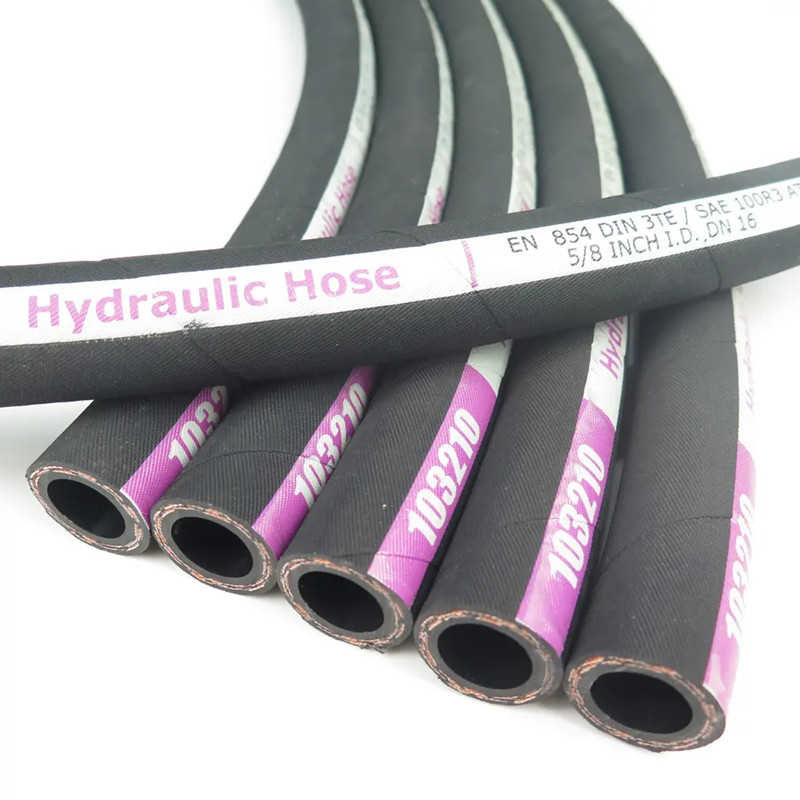
China six wire spiral high pressure hydraulic hose is a reinforced flexible conduit designed for the transmission of hydraulic fluid under high pressure. It constitutes a critical component within hydraulic systems across diverse industries, including construction, agriculture, mining, and manufacturing. Positioned within the fluid power industry supply chain, it serves as the final conveyance element between the power unit (pump) and the actuators (cylinders, motors). Core performance characteristics center around burst pressure, working pressure, temperature resistance, and fluid compatibility. These hoses are engineered to withstand significant pressures and temperatures while maintaining fluid integrity and preventing leakage, directly impacting system efficiency and operational safety. The key differentiator of the 'six wire spiral' construction lies in its superior strength and flexibility compared to two or four wire configurations, allowing for tighter bend radii and enhanced durability in demanding applications.
Material Science & Manufacturing
The construction of a six-wire spiral high-pressure hydraulic hose involves several key materials and processes. The inner tube, typically composed of oil-resistant synthetic rubber (NBR – Nitrile Butadiene Rubber, or sometimes HNBR – Hydrogenated Nitrile Butadiene Rubber for higher temperature applications), provides the fluid barrier. NBR exhibits excellent resistance to petroleum-based hydraulic fluids, while HNBR offers enhanced heat and abrasion resistance. The reinforcement layer consists of six high-tensile steel wires spirally wound around the inner tube. These wires are typically coated with a brass or zinc plating to prevent corrosion and promote adhesion with the surrounding rubber layers. The outer cover is formulated from a synthetic rubber compound (typically SBR – Styrene Butadiene Rubber) designed for abrasion, ozone, and weather resistance. The manufacturing process begins with extrusion of the inner tube. Subsequently, the steel wire is spirally wrapped, and the outer cover is extruded over the reinforcement. Precise control of extrusion temperatures, wire tension, and curing times is paramount. Curing, typically utilizing a vulcanization process involving heat and pressure, crosslinks the rubber polymers, yielding the desired physical properties. The wire spacing and helix angle directly influence the hose’s flexibility and pressure handling capacity. Inconsistent wire tension can lead to localized stress concentrations and premature failure. Post-production testing, including burst pressure testing and impulse testing, is crucial for quality control. Chemical compatibility assessment between the inner tube material and the target hydraulic fluid is also a critical step.
Performance & Engineering
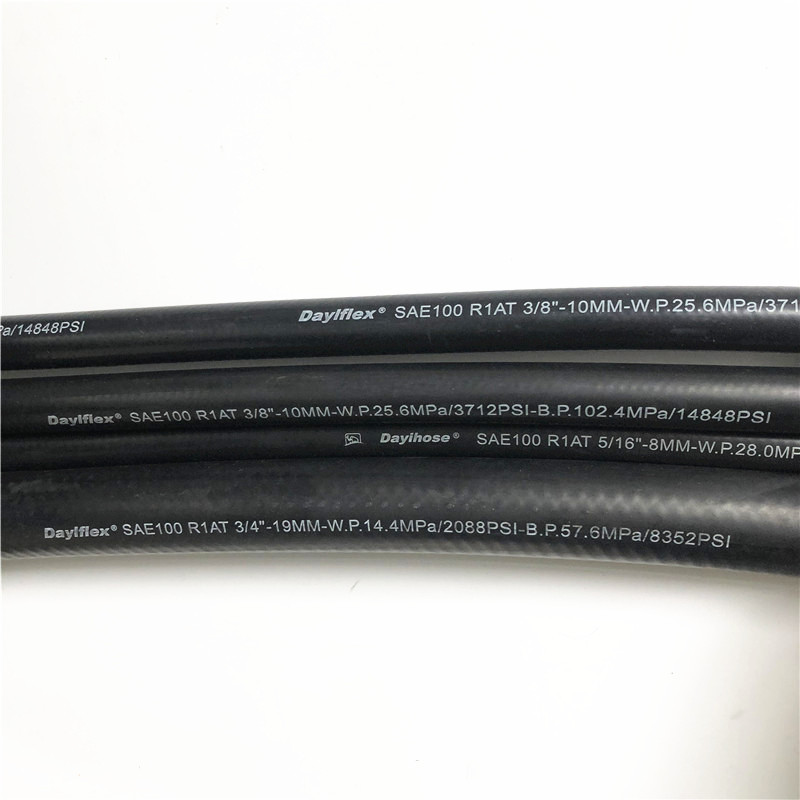
The performance of a six-wire spiral hose is dictated by several engineering principles. Burst pressure, the maximum pressure the hose can withstand before rupture, is directly related to the tensile strength of the steel wire, the number of layers, and the rubber compound’s adhesion properties. Working pressure is typically specified as 50-70% of the burst pressure, providing a safety factor. The hose undergoes rigorous impulse testing to evaluate its ability to withstand cyclical pressure fluctuations without failure. Fatigue analysis is critical in understanding the hose’s lifespan under dynamic loading conditions. The bend radius is an important consideration; exceeding the minimum bend radius can induce stress concentrations and lead to premature failure. Environmental factors, such as temperature, ozone exposure, and UV radiation, also impact performance. High temperatures can degrade the rubber compounds, reducing their elasticity and resistance to hydraulic fluids. Low temperatures can cause the rubber to become brittle and prone to cracking. Compliance requirements, such as those stipulated by SAE J517 and EN 853, dictate minimum performance standards for burst pressure, working pressure, and temperature range. A key engineering challenge lies in balancing flexibility with pressure handling capacity. Increasing the wire count enhances strength but reduces flexibility. Optimizing the helix angle and wire diameter is essential for achieving the desired balance.
Technical Specifications
| Parameter | SAE 100R4 (Typical) | EN 853 1SN (Typical) | Unit |
|---|---|---|---|
| Working Pressure | 3000-4000 | 250-315 | psi |
| Burst Pressure | 9000-12000 | 750-945 | psi |
| Temperature Range | -40 to +100 | -40 to +100 | °C |
| Inner Tube Material | NBR | NBR | - |
| Reinforcement | Six High-Tensile Steel Wire Spiral | Six High-Tensile Steel Wire Spiral | - |
| Outer Cover Material | SBR | SBR | - |
Failure Mode & Maintenance
Failure modes in six-wire spiral hydraulic hoses are diverse. Fatigue cracking, initiated by repeated bending and pressure cycling, is a common occurrence, often originating at the wire crossover points. Corrosion of the steel wire, particularly in environments with high humidity or exposure to corrosive fluids, can significantly reduce its tensile strength. Abrasion of the outer cover due to contact with abrasive surfaces can expose the reinforcement layer, leading to corrosion and eventual failure. Pinholes in the inner tube, caused by degradation of the rubber compound or damage from incompatible fluids, result in leakage. Delamination, the separation of rubber layers, can occur due to inadequate adhesion or exposure to extreme temperatures. Oxidation of the rubber compounds, accelerated by heat and ozone exposure, causes the rubber to become brittle and crack. Maintenance practices are critical for extending hose lifespan. Regular visual inspections should be conducted to identify any signs of abrasion, cracking, or leakage. Hoses should be replaced if any damage is detected. Proper routing and support are essential to prevent excessive bending and abrasion. The hydraulic fluid should be regularly analyzed to ensure compatibility with the hose materials. Avoid exceeding the maximum working pressure or temperature limits. Proper storage, away from direct sunlight and ozone sources, is also important to prevent degradation.
Industry FAQ
Q: What is the impact of hydraulic fluid type on hose lifespan?
A: The selection of hydraulic fluid is paramount. Incompatibility between the fluid and the inner tube material (typically NBR) can cause swelling, softening, or degradation of the rubber, leading to leakage and premature failure. Specifically, fluids containing aggressive additives or those not designed for NBR seals can accelerate degradation. Phosphate ester fluids, for example, require specialized hose constructions.
Q: How does hose routing affect performance and longevity?
A: Improper hose routing significantly impacts performance. Sharp bends beyond the minimum bend radius induce stress concentrations, accelerating fatigue failure. Contact with hot surfaces or abrasive materials can damage the outer cover and expose the reinforcement layer. Hoses should be routed away from moving parts and potential impact zones, and adequately supported to prevent sagging and twisting.
Q: What are the key differences between SAE J517 and EN 853 standards?
A: Both SAE J517 and EN 853 define performance requirements for hydraulic hoses, but they differ in their testing methods and pressure ratings. SAE J517 is commonly used in North America, while EN 853 is prevalent in Europe. EN 853 typically uses bar as a unit of pressure, whereas SAE J517 employs psi. The burst pressure requirements and temperature specifications may also vary.
Q: What preventative measures can be taken to minimize corrosion of the steel wire reinforcement?
A: Protecting the steel wire from corrosion is crucial. Using hydraulic fluids with corrosion inhibitors is a primary preventative measure. Ensuring proper sealing of hose ends prevents moisture ingress. Selecting hoses with corrosion-resistant wire coatings (e.g., zinc-nickel plating) provides an additional layer of protection. Regularly inspecting hoses for signs of corrosion and replacing them promptly is also essential.
Q: How do I determine the appropriate safety factor for a hydraulic hose application?
A: A common practice is to utilize a safety factor of 4:1 for burst pressure relative to the working pressure. However, the appropriate safety factor should be determined based on the severity of the application, the potential consequences of failure, and the operating conditions (temperature, pressure fluctuations, etc.). Critical applications, such as those involving lifting equipment, require higher safety factors.
Conclusion
China six wire spiral high pressure hydraulic hose represents a vital component in numerous industrial applications, demanding stringent material selection and manufacturing processes to ensure reliable performance under demanding conditions. The interplay between inner tube compatibility, reinforcement strength, and outer cover durability dictates the hose’s ability to withstand high pressures, temperatures, and environmental stressors. Understanding the potential failure modes, including fatigue cracking, corrosion, and abrasion, is critical for implementing effective preventative maintenance strategies.
Future developments in hydraulic hose technology are likely to focus on lighter-weight materials, enhanced corrosion resistance, and improved monitoring capabilities. The incorporation of smart sensors to detect pressure fluctuations, temperature changes, and signs of degradation will enable predictive maintenance and optimize hose lifespan. Continued adherence to international standards and rigorous testing protocols will remain essential for ensuring the safety and reliability of these critical fluid power components.