
Apr . 01, 2024 17:55 Back to list
china sae100r3 Performance Analysis
Introduction
SAE 100R3 hose, and its Chinese equivalent often referred to as “china SAE100R3”, represents a critical component in hydraulic fluid power systems. This hose standard defines specifications for non-reinforced rubber hoses intended for the conveyance of hydraulic fluids at moderate pressures. It occupies a foundational position within the industry chain, serving as a core link between hydraulic pumps, valves, actuators, and reservoirs. Core performance characteristics revolve around burst pressure, working pressure, temperature range, and fluid compatibility. Significant industry pain points arise from maintaining consistent quality control across various Chinese manufacturers, ensuring accurate pressure ratings, and mitigating issues related to fluid compatibility with increasingly complex hydraulic fluids. Failure to adhere to standards results in catastrophic system failure, downtime, and potential safety hazards. This guide provides an in-depth examination of china SAE100R3, covering material science, manufacturing processes, performance characteristics, failure modes, and relevant industry standards.
Material Science & Manufacturing
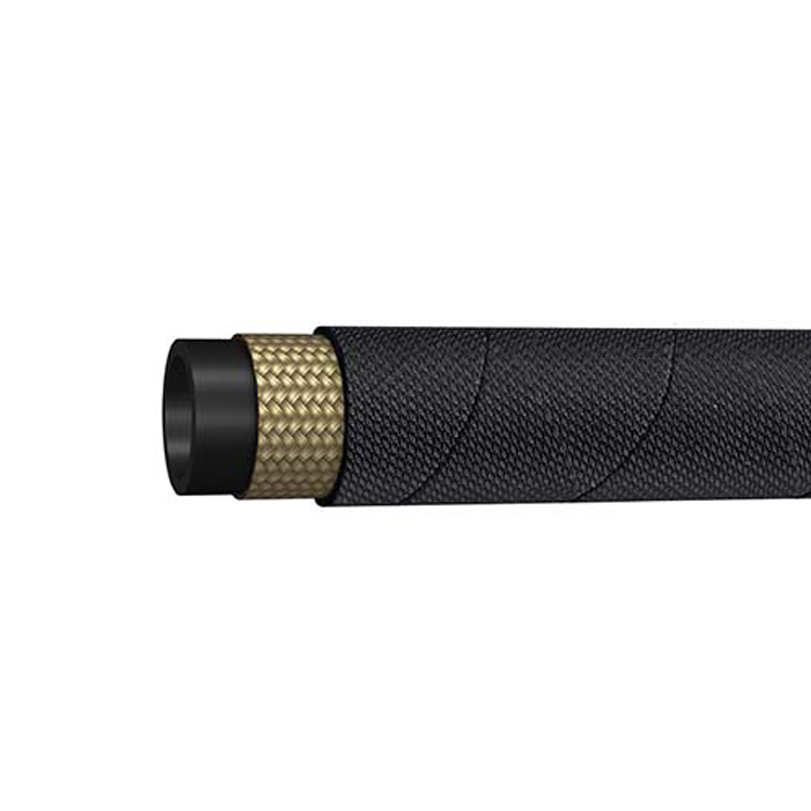
China SAE100R3 hoses are typically constructed from a synthetic rubber blend, most commonly based on a nitrile rubber (NBR) compound. NBR offers excellent resistance to petroleum-based hydraulic fluids, abrasion, and moderate temperatures. The specific formulation varies between manufacturers, impacting performance characteristics. Key raw material properties include viscosity, tensile strength, elongation at break, and hardness (measured using Shore A durometer). Carbon black is a crucial reinforcing filler, contributing to tensile strength and abrasion resistance. Plasticizers are added to enhance flexibility, while antioxidants and antiozonants protect against degradation from oxygen and ozone exposure. The manufacturing process generally involves extrusion. The rubber compound is forced through a die to create a seamless tube. This tube is then cured, typically using steam or hot air vulcanization, to cross-link the polymer chains, imparting elasticity and strength. Key process parameters include extrusion temperature, curing time, and pressure. Accurate control of these parameters is critical to achieving consistent hose dimensions, mechanical properties, and resistance to degradation. Inner tube thickness is a crucial parameter, directly impacting burst pressure. The curing process must be optimized to ensure complete vulcanization without scorching or undercuring. Quality control includes dimensional checks, tensile testing, burst pressure testing, and fluid compatibility testing.
Performance & Engineering
Performance of china SAE100R3 hoses is fundamentally governed by hydraulic principles. The hose must withstand internal pressure without bursting or collapsing. Burst pressure is typically four times the working pressure, as defined by SAE standards. Force analysis involves calculating hoop stress within the hose wall due to internal pressure. This stress is directly proportional to the internal pressure and the hose radius and inversely proportional to the hose wall thickness. Environmental resistance is paramount. Temperature fluctuations can significantly affect rubber properties, leading to embrittlement at low temperatures and softening at high temperatures. Exposure to ozone, UV radiation, and chemicals can cause degradation and reduce hose lifespan. Chemical compatibility is a critical consideration. Hydraulic fluids vary widely in composition, and incompatible fluids can cause swelling, softening, or cracking of the rubber. The hose must also exhibit adequate flexibility to accommodate bending and routing within the hydraulic system. Compliance requirements dictate adherence to SAE 100R3 standards, including dimensional tolerances, pressure ratings, and material specifications. Fatigue life is also critical, particularly in applications involving pulsating pressures. Hose assemblies are often subject to vibration, which can accelerate fatigue failure. Proper hose assembly techniques, including the selection of compatible fittings and crimping procedures, are essential for ensuring long-term reliability.
Technical Specifications
| Parameter | Unit | SAE 100R3 Specification | Typical China SAE100R3 Range (Quality Varies) |
|---|---|---|---|
| Working Pressure | MPa | Up to 3.45 | 2.0 – 3.5 |
| Burst Pressure | MPa | ≥ 13.8 | 8.0 – 14.0 |
| Temperature Range | °C | -40 to +100 | -30 to +80 (Often Lower Quality) |
| Inner Tube Material | - | Nitrile Rubber (NBR) | NBR, SBR (Lower Cost Alternatives) |
| Reinforcement | - | None | None |
| Cover Material | - | Neoprene/Synthetic Rubber | Synthetic Rubber, PVC (Lower Cost Alternatives) |
Failure Mode & Maintenance
Common failure modes for china SAE100R3 hoses include burst failure due to exceeding the working pressure, pinhole leaks due to abrasion or chemical attack, and cracking due to ozone or UV degradation. Fatigue cracking can occur at hose fittings or bends due to repeated flexing. Internal degradation of the rubber compound can lead to reduced flexibility and eventual failure. Another prevalent failure mode stems from improper hose assembly – insufficient crimping of fittings, or incompatible fitting materials can compromise the seal and lead to leakage or catastrophic failure. Failure analysis often reveals contributing factors such as improper fluid compatibility, excessive temperature exposure, or mechanical damage. Maintenance practices should include regular visual inspections for signs of wear, cracking, or swelling. Hose assemblies should be replaced at recommended intervals, even if no visible damage is apparent. Fluid contamination can accelerate hose degradation, so maintaining clean hydraulic fluid is essential. Proper routing and support of hose assemblies are crucial to prevent abrasion and fatigue. Avoid sharp bends and ensure adequate clearance from moving parts. When replacing hoses, always use compatible fittings and follow recommended crimping procedures. Implement a preventative maintenance schedule documenting hose inspection, replacement intervals, and fluid analysis. Consider using protective sleeves in high-wear areas.
Industry FAQ
Q: What is the primary difference between SAE 100R3 and SAE 100R2 hoses?
A: SAE 100R2 hoses are reinforced with multiple layers of high-tensile steel wire, providing significantly higher pressure ratings (typically up to 35 MPa) and improved abrasion resistance compared to the non-reinforced SAE 100R3 hoses. R3 is suitable for lower pressure, less demanding applications, whereas R2 is used in heavier-duty hydraulic systems.
Q: How does the quality of nitrile rubber (NBR) affect the performance of a china SAE100R3 hose?
A: The quality of NBR directly impacts several key performance characteristics. Higher-quality NBR compounds offer superior resistance to abrasion, heat, and chemical attack, resulting in longer hose lifespan and improved reliability. Lower-quality NBR, often found in less expensive hoses, may exhibit reduced flexibility, faster degradation, and a higher susceptibility to leaks.
Q: What are the key considerations when selecting a hydraulic fluid compatible with a china SAE100R3 hose?
A: The hydraulic fluid must be compatible with the NBR rubber compound used in the hose. Petroleum-based fluids are generally suitable, but synthetic fluids (such as phosphate ester or silicone-based fluids) may require specialized hose materials. Incompatibility can cause swelling, softening, or cracking of the hose, leading to premature failure. Always consult the hose manufacturer’s compatibility charts.
Q: What are the common causes of hose fitting failure in china SAE100R3 assemblies?
A: Common causes include improper crimping, the use of incompatible fitting materials, corrosion of the fitting, and mechanical damage. Insufficient crimping can lead to leakage, while incompatible materials can create galvanic corrosion. Regular inspection of fittings for signs of corrosion or damage is crucial.
Q: How can I determine the appropriate replacement interval for china SAE100R3 hoses in my system?
A: Replacement intervals depend on the application, operating conditions, and fluid compatibility. Factors to consider include operating pressure, temperature, exposure to chemicals, and vibration levels. Regular visual inspections and fluid analysis can help identify signs of degradation. A general guideline is to replace hoses every 3-5 years, or more frequently in demanding applications.
Conclusion
China SAE100R3 hoses represent a fundamental component in a vast array of hydraulic systems. Understanding the interplay between material science, manufacturing processes, and performance characteristics is critical for selecting and maintaining these hoses effectively. While cost considerations often drive sourcing decisions, prioritizing quality and adherence to industry standards—including stringent quality control measures—is paramount to ensure operational reliability, minimize downtime, and prevent potentially hazardous failures.
Future developments will likely focus on the incorporation of advanced rubber compounds with enhanced chemical resistance and temperature stability, as well as the implementation of more sophisticated manufacturing techniques to improve dimensional accuracy and consistency. Continuous monitoring of hydraulic fluid condition and the adoption of predictive maintenance strategies will further extend hose lifespan and optimize system performance. The ongoing evolution of these technologies will contribute to safer, more efficient, and more reliable hydraulic systems.

