
Apr . 01, 2024 17:55 Back to list
china sae100r2at Hose Performance Analysis
Introduction
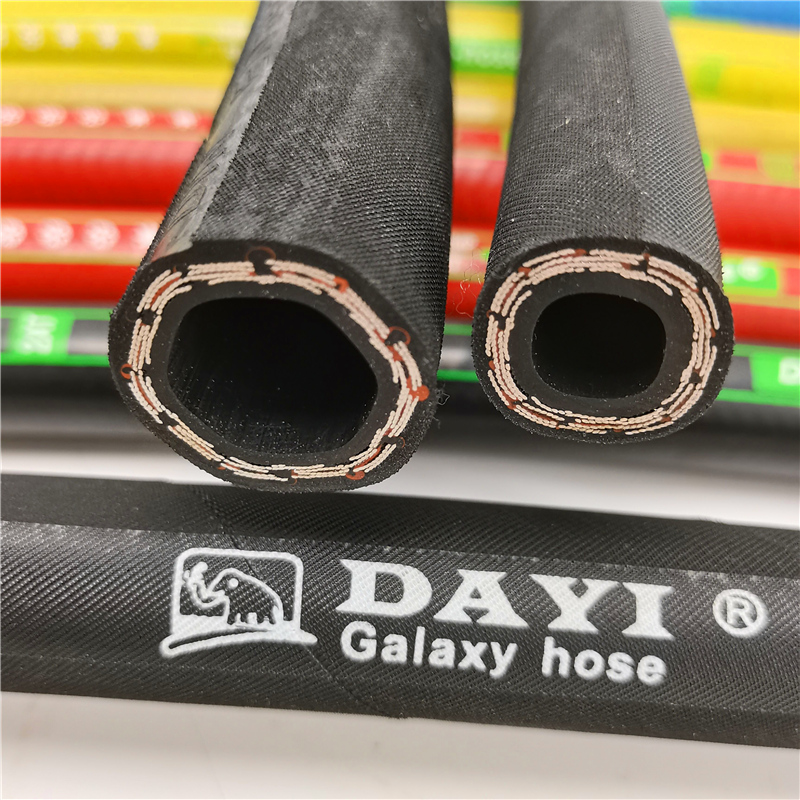
China SAE100R2AT hose represents a critical component in hydraulic fluid conveyance systems, engineered to meet or exceed the Society of Automotive Engineers (SAE) J517 standard for non-reinforced hydraulic hose. This hose type is widely utilized in various industrial applications, including construction machinery, agricultural equipment, material handling, and manufacturing processes where reliable fluid transfer under moderate to high pressure is required. Its construction typically involves a synthetic rubber inner tube, reinforced with braided textile, and an abrasion-resistant synthetic rubber outer cover. The “AT” designation specifically indicates an oil-resistant outer cover, enhancing its longevity and performance in environments exposed to petroleum-based products. A core pain point in hydraulic systems is hose failure leading to downtime and potential safety hazards, making understanding the construction, performance characteristics, and maintenance of SAE100R2AT hose paramount for engineers and procurement professionals. This guide provides an in-depth technical examination of this hose type, addressing material science, manufacturing processes, performance parameters, failure modes, and relevant industry standards.
Material Science & Manufacturing
The construction of China SAE100R2AT hose relies on a precise selection of materials and controlled manufacturing processes. The inner tube is typically composed of a synthetic rubber compound, commonly nitrile rubber (NBR) due to its excellent resistance to petroleum-based hydraulic fluids, including mineral oils, synthetic lubricants, and fuels. NBR’s acrylonitrile content significantly impacts its oil resistance and low-temperature flexibility; higher acrylonitrile content enhances oil resistance but reduces flexibility at low temperatures. The reinforcement layer is commonly a single or multiple braids of high-tenacity textile fibers, typically polyester. The choice of polyester over other materials like rayon is driven by its superior dimensional stability, resistance to stretching, and ability to withstand high pressures. The outer cover is also a synthetic rubber compound, often a blend of chloroprene (CR) – also known as neoprene – and other polymers. CR provides excellent resistance to abrasion, ozone, weathering, and oil, vital for protecting the reinforcement layer and ensuring a long service life.
Manufacturing involves several key steps. First, the inner tube is extruded through a die, establishing the desired bore diameter and wall thickness. This extrusion process requires careful control of temperature and pressure to ensure a consistent and defect-free tube. Next, the textile reinforcement braid is applied over the inner tube. This braiding process is critical; uneven braid tension can lead to localized weaknesses and premature failure. The braid angle also impacts the hose’s burst pressure and flexibility; steeper angles increase burst pressure but reduce flexibility. Following braiding, the outer cover is extruded over the reinforcement layer. Vulcanization, a process involving heating the rubber compounds with sulfur or other curing agents, is then performed to crosslink the polymer chains, imparting strength, elasticity, and resistance to degradation. Post-vulcanization, the hose undergoes stringent quality control checks, including pressure testing to verify its ability to withstand the specified working and burst pressures, dimensional inspection, and visual examination for defects.
Performance & Engineering
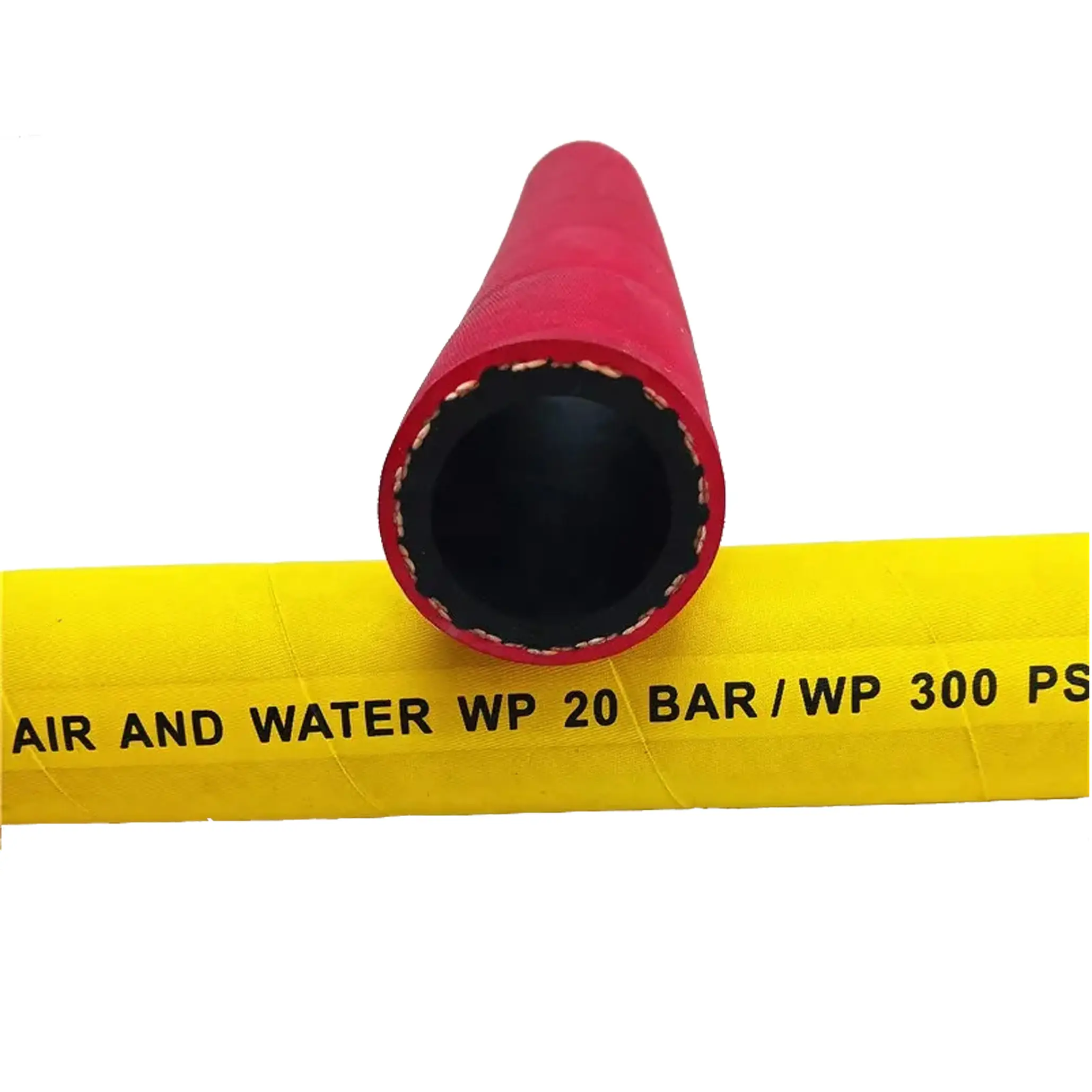
The performance of SAE100R2AT hose is dictated by several engineering considerations. Burst pressure, working pressure, and temperature range are fundamental parameters. Burst pressure is the maximum pressure the hose can withstand before rupture, typically four times the working pressure. Working pressure is the maximum continuous operating pressure specified by the manufacturer. Temperature range defines the limits within which the hose maintains its performance characteristics without degradation. Beyond these, flexibility, kink radius, and fluid compatibility are critical. A tight kink radius can restrict fluid flow and induce stress concentrations, leading to failure.
Force analysis is crucial in designing and selecting appropriate hose assemblies. Internal pressure generates hoop stress in the hose wall, which must be adequately resisted by the reinforcement layer. External bending induces bending stress, which can also contribute to fatigue failure. Environmental factors, such as exposure to UV radiation, ozone, and extreme temperatures, can accelerate material degradation and reduce the hose's service life. Compliance requirements, particularly those related to safety and environmental protection, are also paramount. For example, in industries handling hazardous fluids, the hose must meet specific standards for leak resistance and chemical compatibility. Furthermore, proper hose assembly, including the selection of appropriate fittings and crimping procedures, is essential for ensuring reliable performance and preventing premature failure. Incorrect crimping can compromise the seal between the hose and fitting, leading to leaks.
Technical Specifications
| Parameter | Unit | SAE100R2AT Specification (Typical) | Tolerance |
|---|---|---|---|
| Working Pressure | MPa | 20.7 | ±10% |
| Burst Pressure | MPa | 82.7 | ±15% |
| Temperature Range | °C | -40 to +100 | N/A |
| Inner Tube Material | - | Nitrile Rubber (NBR) | N/A |
| Reinforcement | - | Polyester Braid (1SP) | N/A |
| Outer Cover Material | - | Chloroprene (CR) | N/A |
Failure Mode & Maintenance
SAE100R2AT hoses are susceptible to several failure modes. Fatigue cracking, induced by repeated flexing and pressure cycles, is a common issue, particularly in applications with high dynamic loads. The crack initiation typically occurs at the inner tube or reinforcement layer due to stress concentrations. Delamination, the separation of layers (inner tube, reinforcement, or outer cover), can occur due to improper bonding during manufacturing or exposure to harsh chemicals. Oxidation, caused by exposure to oxygen and ozone, leads to rubber degradation and loss of elasticity, manifesting as cracking and hardening of the hose material. Abrasion, resulting from contact with abrasive surfaces, wears away the outer cover, exposing the reinforcement layer to corrosion and damage. Fitting-related failures, such as leaks and hose pull-out, are often caused by improper crimping, corrosion of the fitting material, or the use of incompatible fittings.
Preventative maintenance is crucial for extending the service life of SAE100R2AT hoses. Regular visual inspections should be conducted to identify signs of cracking, abrasion, blistering, or delamination. Hose assemblies should be inspected for proper routing and support to minimize bending stress. Fluid contamination should be prevented through the use of appropriate filtration systems. Hoses should be replaced if they show any signs of damage or degradation. Proper storage is also important; hoses should be stored in a cool, dry place away from direct sunlight and ozone sources. When replacing a hose, it is essential to use fittings that are specifically designed for SAE100R2AT hose and to follow the manufacturer's crimping instructions carefully. Furthermore, maintaining detailed records of hose installations and maintenance activities can help track performance and identify potential issues before they lead to failure.
Industry FAQ
Q: What is the impact of exceeding the specified working pressure on SAE100R2AT hose life?
A: Exceeding the working pressure significantly reduces the hose’s lifespan and increases the risk of catastrophic failure. While the hose is designed to withstand short-term pressure spikes up to the burst pressure, continuous operation above the working pressure induces excessive stress on the hose components, accelerating fatigue cracking and potentially leading to immediate rupture. Even operating close to the maximum working pressure for extended periods can significantly shorten the hose’s service life.
Q: How does fluid compatibility affect the performance of an SAE100R2AT hose?
A: Fluid compatibility is critical. While NBR offers good resistance to many petroleum-based fluids, exposure to incompatible fluids – such as certain aggressive chemicals or highly polar solvents – can cause the inner tube to swell, soften, or degrade. This degradation compromises the hose’s pressure-holding capacity and can lead to leaks or failure. It's vital to verify fluid compatibility before using the hose in a specific application.
Q: What is the role of the braid angle in determining hose flexibility and burst pressure?
A: The braid angle directly impacts both flexibility and burst pressure. A steeper braid angle provides higher resistance to pressure, thus increasing burst pressure, but it reduces the hose’s flexibility and makes it more difficult to route in tight spaces. A shallower braid angle offers greater flexibility but compromises burst pressure. Hose manufacturers carefully balance these factors to optimize performance for specific applications.
Q: How does temperature affect the performance characteristics of SAE100R2AT hose?
A: Temperature significantly impacts the hose’s physical properties. High temperatures can cause the rubber compounds to soften and lose elasticity, reducing their resistance to pressure and abrasion. Low temperatures can make the rubber brittle and prone to cracking. Operating outside the specified temperature range can accelerate degradation and lead to premature failure.
Q: What are the key indicators that an SAE100R2AT hose needs to be replaced?
A: Key indicators include visible cracks in the inner tube or outer cover, swelling or softening of the rubber material, delamination of layers, abrasion exposing the reinforcement braid, difficulty flexing the hose, or any evidence of leaks. Regular visual inspections and pressure testing are essential for identifying these indicators and preventing catastrophic failures.
Conclusion
China SAE100R2AT hose remains a foundational component in hydraulic systems across diverse industries, providing a reliable and cost-effective solution for fluid conveyance. Understanding the intricacies of its material science – specifically the properties of NBR, polyester, and CR – alongside the critical manufacturing processes of extrusion, braiding, and vulcanization, is essential for ensuring optimal performance and longevity. Careful consideration of engineering parameters such as pressure ratings, temperature limitations, and fluid compatibility is paramount in selecting and utilizing this hose effectively.
Looking forward, advancements in rubber compound technology and reinforcement materials will likely lead to SAE100R2AT hoses with enhanced durability, higher pressure ratings, and broader fluid compatibility. Furthermore, the integration of smart sensing technologies into hose assemblies could enable real-time monitoring of hose condition, allowing for proactive maintenance and preventing unexpected failures. Continued adherence to industry standards and best practices in hose assembly and maintenance will remain critical for maximizing the reliability and safety of hydraulic systems relying on this essential component.