
Apr . 01, 2024 17:55 Back to list
China SAE100R15 Hydraulic Hose Performance Analysis
Introduction
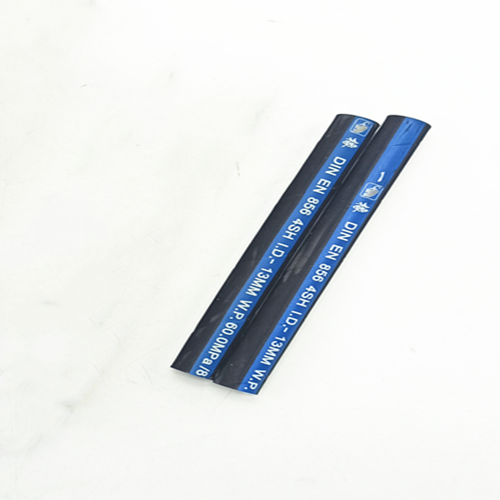
China SAE 100R15 hose is a hydraulic hose standard widely utilized in fluid power systems across various industries including construction, agriculture, and manufacturing. This standard, mirroring SAE 100R15, specifies the requirements for non-reinforced hydraulic hoses with a synthetic rubber tube, single wire braid reinforcement, and a synthetic rubber cover. Its technical position in the industry chain lies as a critical component in transferring hydraulic fluid to operate actuators and machinery. Core performance characteristics include resistance to hydraulic fluid, pressure capacity, temperature range tolerance, and resistance to abrasion and ozone. Understanding the nuances of China SAE 100R15 is paramount for engineers and procurement professionals seeking reliable and cost-effective hydraulic solutions, particularly given the increasing global reliance on Chinese manufacturing and the need to verify adherence to internationally recognized standards. A key industry pain point revolves around ensuring consistency in material quality and manufacturing processes between different Chinese suppliers claiming SAE 100R15 compliance.
Material Science & Manufacturing
The construction of China SAE 100R15 hose relies on several key materials. The tube is typically composed of nitrile rubber (NBR) offering excellent resistance to petroleum-based hydraulic fluids, water, and heat. Alternatives like chloroprene rubber (CR) may be used for improved ozone and weathering resistance, albeit with potentially lower oil resistance. The reinforcement layer consists of a single braid of high-strength steel wire, typically carbon steel, providing the pressure-bearing capability. The cover is generally made of synthetic rubber, frequently CR, offering abrasion, weather, and ozone protection. Key manufacturing processes include extrusion for the tube and cover, calendaring for the rubber layers, and braiding for the reinforcement. Precise control of extrusion temperatures, braiding angles, and curing times are critical. Improper curing can lead to reduced elasticity, decreased tensile strength, and premature failure. The quality of the steel wire is also vital; inconsistent wire diameter or tensile strength directly impacts the hose’s burst pressure. Chemical compatibility between the tube, reinforcement, and cover is paramount to prevent degradation and delamination. Testing during manufacturing includes dimensional checks, pressure testing to specified burst pressures, and material hardness assessments. Batch traceability is crucial for quality control and failure analysis.
Performance & Engineering
China SAE 100R15 hose performance is dictated by several engineering considerations. Burst pressure is a primary specification, defined as the pressure at which the hose fails catastrophically. Working pressure is significantly lower, typically a fraction of the burst pressure, providing a safety factor. Temperature range is crucial; NBR tubes typically perform within -40°C to +100°C, while CR may extend the upper limit. Flexibility, measured by bend radius, impacts ease of installation and prevents kinking, which can cause localized pressure increases and potential failure. Hose twist is another concern; excessive twisting reduces pressure capacity and can lead to premature wear. Fatigue resistance is assessed through cyclic pressure testing, simulating repeated operational loads. Environmental resistance, particularly to ozone, UV radiation, and chemical exposure, is vital for outdoor applications. Compliance requirements extend beyond the core SAE 100R15 standard, often incorporating regional regulations regarding fluid containment and environmental protection. Force analysis during installation and operation must account for tensile loads, bending moments, and internal pressure stresses. Proper fitting selection and installation techniques are critical to maximizing hose lifespan and preventing leaks.
Technical Specifications
| Parameter | Unit | SAE 100R15 Specification | Typical China SAE 100R15 Range |
|---|---|---|---|
| Working Pressure | MPa | Up to 35 | 17.2 - 35 |
| Burst Pressure | MPa | ≥ 105 | 105 - 140 |
| Temperature Range | °C | -40 to +100 | -40 to +120 (depending on tube material) |
| Tube Material | - | NBR (typical) | NBR, CR |
| Reinforcement | - | Single Wire Braid | Single Wire Braid (Steel) |
| Cover Material | - | CR (typical) | CR, SBR |
Failure Mode & Maintenance
China SAE 100R15 hoses are susceptible to several failure modes. Fatigue cracking is common under cyclic pressure, initiating at stress concentrators such as fitting crimps or wire braid irregularities. Delamination can occur due to poor bonding between the tube, reinforcement, or cover, exacerbated by fluid ingress or thermal cycling. Abrasion leads to cover degradation, exposing the reinforcement to corrosion. Oxidation and ozone attack can cause hardening and cracking of the rubber components, reducing flexibility and increasing vulnerability to failure. Internal corrosion of the steel wire reinforcement can weaken the hose and lead to burst. Pinholes in the tube can result from fluid incompatibility or manufacturing defects. Maintenance procedures include regular visual inspection for cracks, abrasions, and leaks. Hose should be replaced if any signs of damage are detected. Proper fluid compatibility must be verified. Avoid excessive bending or twisting during installation and operation. Flush the system periodically to remove contaminants. Store hoses in a cool, dry, and dark environment to minimize degradation. Implementing a preventative maintenance schedule based on operating hours and environmental conditions is crucial. Routine pressure testing can also identify potential weaknesses before catastrophic failure occurs.
Industry FAQ
Q: What is the significance of the 'China' prefix to SAE 100R15, and how does it affect quality control?
A: The “China” prefix indicates that the hose is manufactured in China and claims to meet the SAE 100R15 standard. However, quality control can be variable. While many manufacturers adhere rigorously to the standard, others may prioritize cost reduction, potentially leading to deviations in material quality or manufacturing processes. Independent third-party testing and auditing of the manufacturer’s quality control systems are essential to verify compliance.
Q: How does temperature affect the performance and lifespan of China SAE 100R15 hose?
A: Temperature extremes significantly impact performance. High temperatures can accelerate rubber degradation, reducing elasticity and increasing the risk of cracking. Low temperatures can decrease flexibility, making the hose more susceptible to damage. Exceeding the specified temperature range can dramatically shorten the hose’s lifespan. Careful selection of tube material (NBR vs. CR) is crucial based on the application’s operating temperature.
Q: What specific hydraulic fluids are compatible with a standard China SAE 100R15 hose?
A: Typically, China SAE 100R15 hoses with NBR tubes are compatible with most petroleum-based hydraulic fluids, including mineral oils and synthetic hydrocarbons. However, compatibility with phosphate ester fluids, water-glycol fluids, and some synthetic lubricants is limited. Always consult the hose manufacturer’s compatibility chart before use to prevent tube swelling, degradation, or failure.
Q: What are the key differences between single-wire braid reinforcement (SAE 100R15) and two-wire braid reinforcement?
A: Two-wire braid reinforcement provides significantly higher pressure capacity and improved kink resistance compared to single-wire braid. However, it also increases hose stiffness and cost. SAE 100R15 (single braid) is suitable for moderate pressure applications, while higher-pressure systems typically require two-wire braid reinforcement (SAE 100R2AT).
Q: What fitting standards are commonly used with China SAE 100R15 hose, and what are the risks of using incompatible fittings?
A: Commonly used fitting standards include SAE J526, DIN 2353, and BSP. Using incompatible fittings can lead to leaks, hose separation, and catastrophic failure. Fittings must be correctly sized and crimped to ensure a secure and leak-proof connection. Incorrect crimp specifications can overstress the hose, reducing its lifespan and increasing the risk of failure.
Conclusion
China SAE 100R15 hose represents a ubiquitous solution for hydraulic power transmission. Its performance is dictated by a complex interplay of material science, manufacturing precision, and engineering design. Ensuring reliable operation necessitates careful consideration of working pressure, temperature range, fluid compatibility, and potential failure modes.
The increasing prevalence of Chinese-manufactured hydraulic hoses demands vigilant quality control and verification of adherence to the SAE 100R15 standard. Independent testing, thorough material analysis, and robust manufacturing process audits are crucial for mitigating risks and ensuring long-term operational integrity. Selecting appropriate fittings and implementing a proactive maintenance schedule will further enhance the lifespan and reliability of these critical components.