
Apr . 01, 2024 17:55 Back to list
china sae100r12 Performance Analysis
Introduction
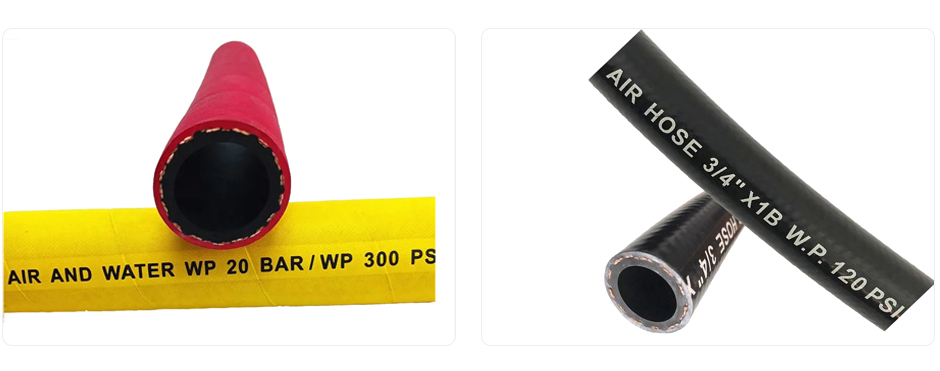
SAE 100R12 rubber hose represents a critical component in hydraulic systems across diverse industrial applications. This standard, often replicated by Chinese manufacturers as “china SAE100R12,” defines specifications for non-reinforced rubber hoses intended for the conveyance of hydraulic fluid at moderate pressures. Its technical position within the industry chain lies immediately downstream of rubber compounding and extrusion, serving as the direct interface between fluid power sources (pumps, valves) and actuators (cylinders, motors). Core performance characteristics are defined by working pressure, burst pressure, temperature range, and fluid compatibility. A primary industry pain point revolves around ensuring consistent quality and adherence to the SAE standard from overseas manufacturers, mitigating risks associated with premature failure and system downtime. The hose’s construction primarily utilizes synthetic rubbers like SBR (Styrene-Butadiene Rubber) and NBR (Nitrile Butadiene Rubber), each offering specific advantages concerning oil resistance, temperature tolerance, and flexibility. Understanding these nuances is vital for optimal system performance and longevity.
Material Science & Manufacturing
The foundational material for china SAE100R12 hoses is predominantly a synthetic rubber compound. NBR is frequently chosen due to its exceptional resistance to petroleum-based hydraulic fluids, crucial for maintaining hose integrity and preventing swelling or degradation. SBR offers good abrasion resistance and lower cost but exhibits lower oil resistance. The specific rubber blend is meticulously formulated with reinforcing fillers like carbon black to enhance tensile strength and abrasion resistance. Plasticizers are incorporated to improve flexibility and low-temperature performance, while antioxidants are added to inhibit oxidative degradation. Manufacturing begins with the compounding process, where these ingredients are precisely mixed. Subsequently, the compound undergoes extrusion, shaping the rubber into a seamless tube. Curing (vulcanization) follows, a heat-induced process that cross-links the polymer chains, solidifying the rubber and imparting its elastomeric properties. Critical parameters during curing include temperature, time, and pressure, directly affecting the final product's physical characteristics. Post-curing, the hose undergoes rigorous dimensional inspection and pressure testing to ensure compliance with SAE 100R12 standards. Quality control emphasizes consistent wall thickness, diameter, and the absence of defects such as pinholes or voids. Improper control of these parameters can lead to reduced burst pressure and increased susceptibility to failure.
Performance & Engineering
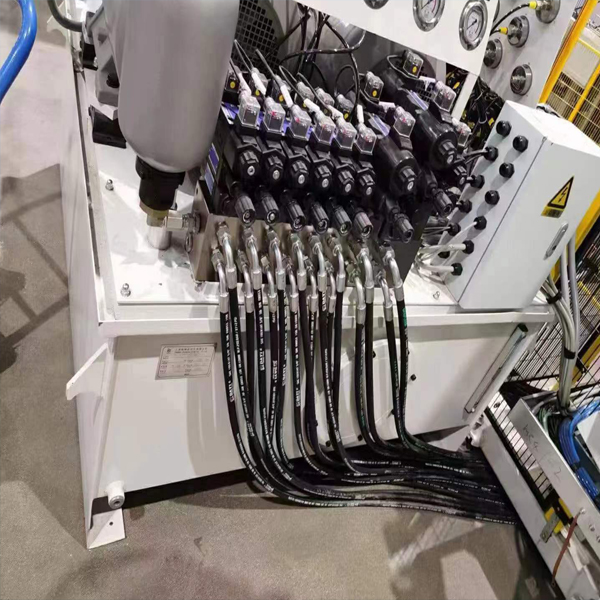
The performance of china SAE100R12 hinges on its ability to withstand internal fluid pressure and external environmental factors. Force analysis focuses on hoop stress, calculated using the Barlow’s formula (P = 2tS/D, where P is pressure, t is wall thickness, S is tensile strength, and D is diameter). This calculation is vital for determining minimum wall thickness requirements based on the hose's intended operating pressure. Environmental resistance encompasses temperature stability, ozone exposure, and resistance to UV degradation. NBR compounds typically function effectively within a temperature range of -40°C to 100°C, though specific limits vary with compound formulation. Long-term exposure to ozone can cause cracking and embrittlement, necessitating the incorporation of antiozonants into the rubber blend. Compliance requirements extend beyond basic pressure testing to include fluid compatibility testing (to ensure the hose doesn't swell or degrade in contact with specific hydraulic fluids) and dimensional stability testing. Failure analysis frequently reveals issues stemming from inadequate reinforcement (though SAE 100R12 is non-reinforced, improper extrusion can lead to thin spots), exceeding pressure limits, or exposure to incompatible fluids. Functional implementation requires careful consideration of hose routing to avoid kinking or excessive bending, which can induce stress concentrations and premature failure.
Technical Specifications
| Parameter | Unit | SAE 100R12 Specification | Typical China SAE100R12 Range |
|---|---|---|---|
| Working Pressure | MPa | Up to 10 | 8 – 10 |
| Burst Pressure | MPa | ≥30 | 24 – 30 |
| Temperature Range | °C | -40 to +100 | -40 to +95 |
| Inner Tube | Material | NBR (Nitrile Rubber) | NBR, SBR |
| Outer Cover | Material | CRM (Chloroprene Rubber) | CRM, SBR |
| Reinforcement | Type | None | None |
Failure Mode & Maintenance
Common failure modes in china SAE100R12 hoses include pinhole leaks, burst failures, and cracking. Pinhole leaks often arise from imperfections in the rubber compound or localized thinning during extrusion. Burst failures are typically caused by exceeding the working pressure or a sudden pressure surge. Cracking can result from ozone exposure, UV degradation, or fatigue caused by repeated flexing. Failure analysis frequently reveals that apparent "SAE 100R12" hoses from certain manufacturers exhibit lower burst pressures than specified, often due to inconsistent wall thickness or inferior rubber compounds. Fatigue cracking initiates at stress concentrations, such as near fittings or bends. Degradation of the rubber compound due to fluid incompatibility or prolonged exposure to elevated temperatures can also lead to premature failure. Maintenance procedures should include regular visual inspections for signs of cracking, abrasion, or swelling. Hoses should be replaced immediately if any damage is detected. Proper storage is also crucial; hoses should be stored in a cool, dry place away from direct sunlight and ozone sources. Avoid kinking the hose during installation and operation. Regularly check fittings for tightness to prevent leaks and stress on the hose ends.
Industry FAQ
Q: What differentiates SAE 100R12 from other hydraulic hose standards, and what implications does this have for application selection?
A: SAE 100R12 is a non-reinforced hydraulic hose standard intended for moderate pressure applications. Compared to reinforced standards like SAE 100R1AT or SAE 100R2AT, it possesses a lower burst pressure and is less suitable for high-pressure systems. This translates to limitations in application; it’s ideal for low-pressure return lines or auxiliary circuits but inadequate for pump feeds or high-force actuators. Utilizing it in an inappropriate high-pressure scenario will inevitably lead to catastrophic failure.
Q: How can we verify that a “china SAE100R12” hose genuinely meets the SAE specifications, given concerns about quality control?
A: Verification requires a multi-faceted approach. Request documentation from the manufacturer, including test reports demonstrating compliance with SAE 100R12 standards (pressure testing, dimensional accuracy, fluid compatibility). Ideally, independent third-party testing is preferred. Perform in-house pressure testing upon receipt of the hoses to validate the stated burst pressure. Also, scrutinize the hose markings for proper SAE designations and manufacturing details.
Q: What impact does fluid compatibility have on the lifespan of a china SAE100R12 hose, and how should fluid selection be approached?
A: Fluid compatibility is paramount. Incompatible fluids can cause the rubber compound to swell, soften, or degrade, significantly reducing the hose’s lifespan and potentially leading to failure. Specifically, ensure the hose material (typically NBR) is compatible with the hydraulic fluid being used. Consult fluid compatibility charts provided by the hose manufacturer or fluid supplier. Avoid using petroleum-based fluids with hoses not specifically rated for such fluids.
Q: What are the primary causes of premature failure related to improper hose installation and handling?
A: Improper installation is a significant contributor to premature failure. Common issues include excessive bending radius, kinking, overtightening of fittings, and improper routing. Avoid sharp bends that induce stress concentrations. Use appropriately sized fittings and tighten them to the manufacturer’s recommended torque specifications. Protect the hose from abrasion and exposure to extreme temperatures or chemicals.
Q: How does temperature affect the performance and longevity of a china SAE100R12 hose, and what precautions should be taken?
A: Temperature extremes degrade the rubber compound. Elevated temperatures accelerate oxidation and reduce the hose’s flexibility and strength. Low temperatures can cause the rubber to become brittle and crack. Operate the hose within its specified temperature range (-40°C to +100°C). Avoid prolonged exposure to extreme temperatures. Select a compound formulation specifically designed for the operating temperature range.
Conclusion
The china SAE100R12 hose, when manufactured to specification, provides a reliable and cost-effective solution for moderate-pressure hydraulic applications. However, its performance is inextricably linked to material science, manufacturing precision, and adherence to industry standards. Understanding the potential failure modes, prioritizing proper installation and maintenance, and rigorously verifying quality are essential for maximizing service life and minimizing downtime.
Future advancements in rubber compounding and extrusion technologies promise to enhance the performance and durability of these hoses. Emphasis on improved quality control procedures by Chinese manufacturers and increased adoption of third-party testing will further bolster confidence in the consistency and reliability of china SAE100R12 products. Continued research into fluid compatibility and the development of more robust rubber blends will also contribute to extended operational lifespans.

