
Apr . 01, 2024 17:55 Back to list
china petroleum gasoline oil rubber delivery hose Performance Analysis
Introduction
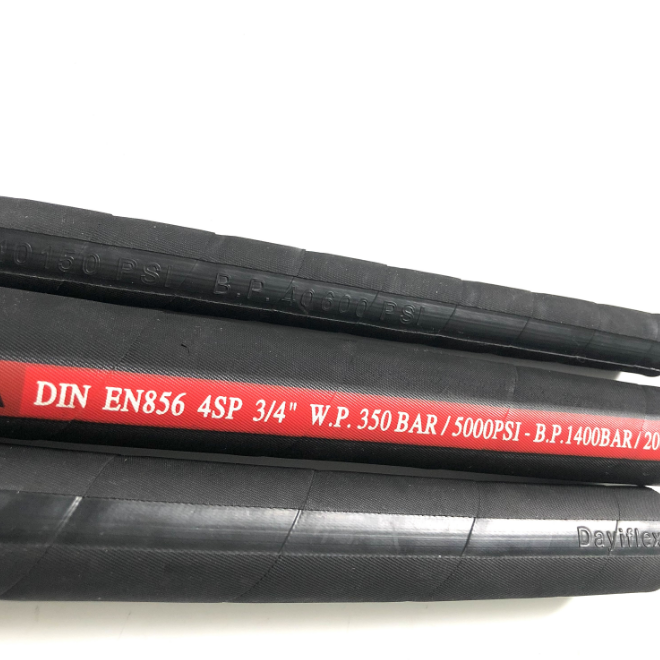
China petroleum gasoline oil rubber delivery hose is a critical component in the safe and efficient transfer of fuel and oil products within the petroleum industry. Positioned as a last-mile delivery system, these hoses connect storage tanks, loading arms, and dispensing units. Unlike general-purpose hoses, these are specifically engineered to resist the corrosive effects of hydrocarbons, maintain flexibility at varying temperatures, and prevent static discharge. Core performance characteristics include compatibility with a wide range of fuels (gasoline, diesel, kerosene, aviation fuel), pressure resistance (ranging from low-pressure delivery to high-pressure tanker unloading), and adherence to stringent safety regulations governing flammable fluid transfer. The primary industry pain point revolves around hose degradation leading to leaks, spills, and potential environmental hazards. Maintaining consistent material quality and ensuring long-term structural integrity are paramount concerns for operators and procurement managers.
Material Science & Manufacturing
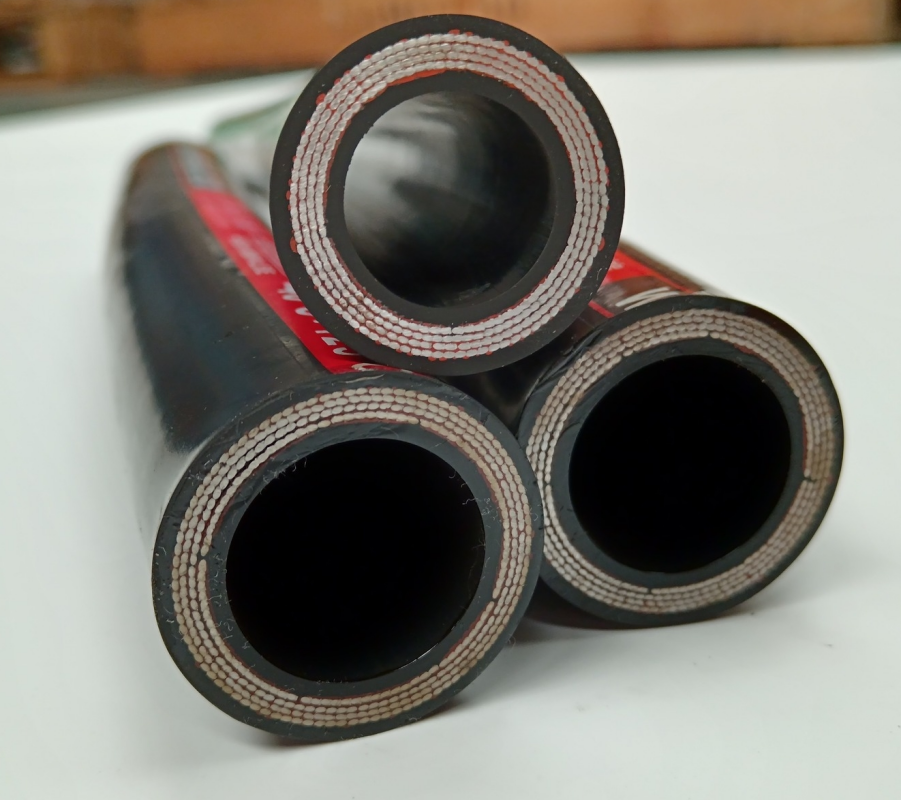
The core material for these hoses is typically a synthetic rubber compound, with Nitrile Rubber (NBR) being the most common due to its excellent resistance to aliphatic hydrocarbons. However, for improved aromatic hydrocarbon resistance, a blend of NBR with Polychloroprene (CR, Neoprene) is frequently employed. The rubber matrix is reinforced with multiple layers of high-tensile strength fabric plies – typically woven polyester or nylon – to provide structural support and burst pressure resistance. The inner tube material must exhibit low permeability to minimize fuel loss and prevent contamination. Manufacturing processes commonly involve extrusion of the inner tube, followed by calendaring and cutting of the reinforcing plies. These plies are then spirally wound or braided around the extruded tube. Finally, an outer cover, often utilizing Chlorinated Polyethylene (CPE) or Polyurethane (PU), is extruded to provide abrasion resistance, UV protection, and weatherability. Critical parameters during manufacturing include precise temperature control during extrusion to ensure consistent rubber vulcanization (cross-linking), accurate ply tension during winding/braiding to maintain dimensional stability, and thorough quality control checks for pinholes or defects in the inner tube. Premature hose failure often traces back to inconsistencies in these parameters, leading to compromised mechanical properties. Chemical compatibility testing, using standardized fuel blends, is a vital stage in production.
Performance & Engineering
Performance analysis of these hoses centers around resistance to burst pressure, tensile strength, elongation at break, and resistance to oil permeation. Force analysis during operation considers static pressure, dynamic pressure fluctuations (caused by pumping), bending stresses from hose routing, and potential impact loads. Environmental resistance is critical; prolonged exposure to sunlight (UV degradation), ozone, and extreme temperatures can significantly reduce hose lifespan. The hose must maintain its flexibility at low temperatures to prevent cracking and brittleness, and withstand elevated temperatures without softening or losing pressure capacity. Compliance requirements are dictated by national and international standards (detailed in the footer). Grounding and anti-static properties are paramount to prevent the buildup of static electricity, which could ignite flammable vapors. This is typically achieved through the incorporation of conductive fillers (e.g., carbon black) within the rubber compound and a grounding connection. Functional implementation often involves the use of swivel couplings and quick-disconnect fittings for easy connection and disconnection. Proper hose routing, avoiding sharp bends and abrasive surfaces, is also essential to maximize service life. Fatigue failure due to repeated bending and pressure cycling is a common failure mode and requires careful consideration during hose selection and installation.
Technical Specifications
| Parameter | Unit | Specification Range | Test Standard |
|---|---|---|---|
| Working Pressure | MPa | 0.3 – 1.0 | ISO 3864 |
| Burst Pressure | MPa | 1.2 – 3.0 | ISO 3864 |
| Tensile Strength | MPa | 15 – 25 | ASTM D412 |
| Elongation at Break | % | 300 – 500 | ASTM D412 |
| Oil Permeation Rate | g/m²/day | < 1.0 | ISO 2812-1 |
| Operating Temperature Range | °C | -40 to +80 | SAE J30R9 |
Failure Mode & Maintenance
Common failure modes include fatigue cracking at the bend radius, particularly with repeated flexing. This occurs due to cyclic stress exceeding the rubber's fatigue limit. Another frequent issue is permeation-induced swelling and softening of the inner tube, leading to reduced pressure capacity and eventual leaks. Oxidation and UV degradation of the outer cover can cause cracking and loss of protective properties. Delamination between the rubber and reinforcing plies can occur due to inadequate bonding during manufacturing or prolonged exposure to harsh chemicals. Abrasion damage from contact with rough surfaces leads to wear and tear of the outer cover, exposing the reinforcing plies. Maintenance solutions involve regular visual inspections for cracks, blisters, or abrasions. Pressure testing should be conducted periodically to identify leaks or weakening of the hose wall. Hoses should be properly stored in a cool, dry place, away from direct sunlight and ozone sources. Avoid kinking or sharp bending during operation. Grounding connections should be inspected regularly to ensure proper electrical conductivity. Following manufacturer’s recommendations for service life and replacement intervals is crucial. Record-keeping of inspection and maintenance activities is essential for tracking hose performance and preventing failures.
Industry FAQ
Q: What is the impact of biodiesel blends on hose compatibility?
A: Biodiesel blends, particularly those with higher biodiesel content (B20 and above), can cause swelling and degradation of certain rubber compounds. NBR is generally compatible with lower blends (B5-B10), but higher blends require specialized hose formulations utilizing Fluoroelastomers (FKM) or other biodiesel-resistant materials to prevent premature failure.
Q: How does the hose construction affect its resistance to electrostatic discharge?
A: Resistance to electrostatic discharge is primarily determined by the conductivity of the hose's rubber compound and the grounding system. Carbon black is commonly added to increase conductivity. The hose should also have a continuous grounding wire embedded within the wall and a secure connection to a grounding point to safely dissipate static charge.
Q: What is the significance of the 'lay-flat diameter' specification?
A: The lay-flat diameter is the diameter of the hose when it's not under pressure. It's important for storage and handling. A smaller lay-flat diameter makes the hose easier to reel and store, but it also increases the bending stress during operation. The specified lay-flat diameter must be maintained to ensure proper hose function.
Q: What are the key differences between synthetic and natural rubber hoses for petroleum applications?
A: Natural rubber has excellent mechanical properties but poor resistance to oil and petroleum products. Synthetic rubbers like NBR, CR, and FKM offer superior resistance to hydrocarbons, ozone, and UV degradation, making them the preferred choice for petroleum delivery hoses. Natural rubber is generally unsuitable for these applications.
Q: How important is the reinforcement ply material and construction?
A: The reinforcement ply material and construction are critical for determining the hose’s burst pressure and tensile strength. Woven polyester or nylon plies provide high tensile strength and dimensional stability. Spiral-wound plies offer flexibility, while braided plies provide enhanced burst resistance. The number of plies directly impacts the hose’s pressure rating.
Conclusion
China petroleum gasoline oil rubber delivery hoses represent a specialized engineering challenge, demanding careful material selection, precise manufacturing control, and rigorous performance testing. The consistent threat of hydrocarbon exposure, coupled with the stringent safety requirements of the petroleum industry, necessitates hoses constructed from robust synthetic rubber compounds reinforced with high-tensile fabrics. Understanding the failure modes – fatigue cracking, permeation, oxidation, and delamination – is paramount for implementing effective preventative maintenance strategies.
Ultimately, selecting the correct hose for a specific application involves a comprehensive evaluation of the fluid being transferred, operating pressure, temperature range, and environmental conditions. Adherence to relevant international standards (detailed below) ensures safety, reliability, and regulatory compliance. Future advancements in hose technology will likely focus on developing more durable, lightweight, and environmentally friendly materials, further enhancing the efficiency and safety of fuel and oil delivery operations.