
Apr . 01, 2024 17:55 Back to list
china one wire braided hydraulic hose Performance Analysis
Introduction
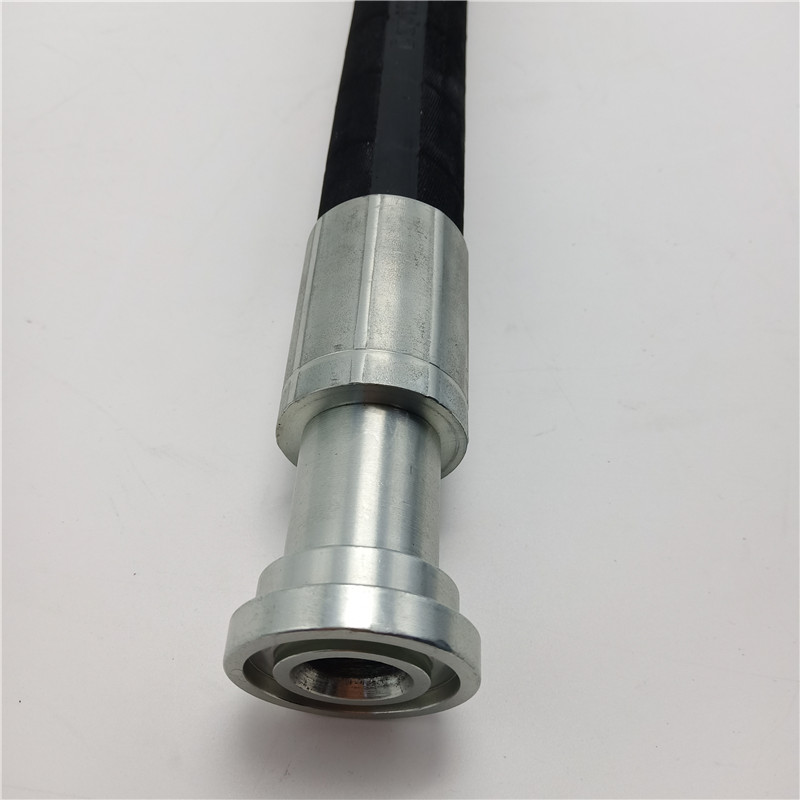
China one wire braided hydraulic hose represents a critical component in fluid power systems across diverse industrial applications. Positioned within the hydraulic system as the conduit for transmitting pressurized fluid, it facilitates power transfer from the pump to actuators. These hoses are specifically engineered to withstand high pressures, temperatures, and exposure to various fluids. The defining characteristic – single wire braiding – contributes significantly to its pressure capacity and burst strength. Core performance indicators include working pressure, burst pressure, temperature range, and fluid compatibility, defining its suitability for applications ranging from construction machinery and agricultural equipment to manufacturing and material handling. A key industry pain point revolves around hose failures leading to downtime, safety hazards, and costly repairs, thus demanding robust construction, consistent quality control, and adherence to stringent safety standards.
Material Science & Manufacturing
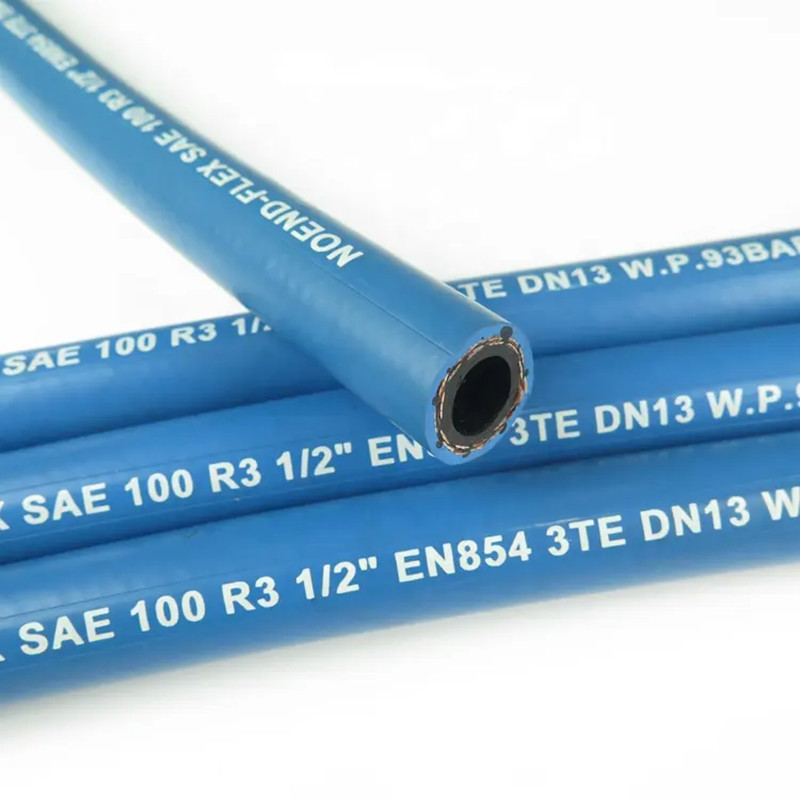
The construction of a china one wire braided hydraulic hose fundamentally relies on several key materials. The inner tube is typically composed of synthetic rubber compounds such as Nitrile (NBR), which exhibits excellent resistance to oil and fuels, or Ethylene Propylene Diene Monomer (EPDM) for compatibility with phosphate ester hydraulic fluids. The reinforcement layer consists of a single spiral of high-tensile steel wire, providing the necessary burst strength. This wire is often coated with zinc to prevent corrosion. The outer cover is typically a Chloroprene rubber (CR) compound, providing protection against abrasion, ozone, and weathering. Manufacturing begins with extrusion of the inner tube to the specified dimensions. Following extrusion, the steel wire is helically wound around the inner tube under tension. Precise tension control is paramount; insufficient tension compromises burst pressure, while excessive tension can lead to tube kinking. The outer cover is then extruded over the wire braid. Critical manufacturing parameters include rubber compound formulation (durometer, tensile strength, elongation at break), wire diameter and pitch, curing temperature and time (vulcanization), and dimensional accuracy. Post-curing, hoses undergo rigorous pressure testing to ensure they meet specified burst and working pressure ratings. Quality control protocols demand statistical process control (SPC) throughout each stage to minimize defects and ensure batch-to-batch consistency.
Performance & Engineering
The performance of a one-wire braided hydraulic hose is governed by complex engineering principles, primarily centered around pressure containment and fatigue resistance. The steel wire braid undergoes significant tensile stress when the hose is pressurized. Force analysis requires consideration of the internal pressure, hose diameter, and wire angle. The working pressure is determined based on a safety factor applied to the burst pressure, typically 4:1. Environmental resistance is crucial; exposure to elevated temperatures degrades rubber compounds, reducing their elasticity and increasing the risk of failure. Chemical compatibility dictates the selection of inner tube material; incompatible fluids can cause swelling, cracking, or dissolution of the rubber. Compliance requirements, such as those outlined by SAE J517 (Hydraulic Hose – Performance Specifications) and EN 856 (Rubber hoses for hydraulic applications), mandate specific performance characteristics, including pressure ratings, temperature ranges, and impulse testing. Impulse testing simulates the pulsating pressures common in hydraulic systems, assessing the hose’s ability to withstand repeated pressure surges without failure. Hose bend radius is also a critical engineering parameter. Exceeding the minimum bend radius induces stress concentration in the hose wall, accelerating fatigue failure. Proper installation, including the use of appropriate fittings and avoiding sharp bends, is essential for optimal performance and longevity.
Technical Specifications
| Parameter | Unit | Typical Value (NBR Inner Tube) | Typical Value (EPDM Inner Tube) |
|---|---|---|---|
| Working Pressure | MPa | 20 | 16 |
| Burst Pressure | MPa | 80 | 64 |
| Temperature Range | °C | -40 to +100 | -40 to +120 |
| Inner Tube Material | - | Nitrile (NBR) | Ethylene Propylene Diene Monomer (EPDM) |
| Reinforcement | - | Single Steel Wire Braid | Single Steel Wire Braid |
| Outer Cover Material | - | Chloroprene (CR) | Chloroprene (CR) |
Failure Mode & Maintenance
Failure modes in china one wire braided hydraulic hoses are multifaceted. Fatigue cracking, initiated by repeated pressure cycling and exacerbated by excessive bending or vibration, is a common occurrence. This often begins at the inner tube/braid interface. Another frequent failure mode is burst failure, resulting from exceeding the working pressure or damage to the reinforcement braid. Corrosion of the steel wire, particularly in environments with high humidity or exposure to corrosive fluids, weakens the reinforcement and precipitates premature failure. Pinholes in the inner tube, caused by degradation or foreign object penetration, lead to fluid leakage. Outer cover degradation, due to ozone cracking or abrasion, compromises hose protection. Maintenance practices are crucial for extending hose life. Regular visual inspections should identify signs of abrasion, cracking, or swelling. Hose assemblies should be flushed periodically to remove contaminants. Proper fitting installation, ensuring correct torque and avoiding cross-threading, is essential. Replace hoses exhibiting any signs of damage. Consider implementing a preventative maintenance schedule based on operating hours or calendar time. Avoid kinking the hose during storage or operation. If hydraulic fluid is spilled during maintenance, clean it up immediately to prevent environmental contamination and potential slip hazards.
Industry FAQ
Q: What is the impact of fluid velocity on the service life of a one-wire braided hose?
A: Higher fluid velocity increases the rate of erosion on the inner tube, particularly with fluids containing abrasive particles. This erosion thins the tube wall, reducing its ability to withstand pressure. Furthermore, increased velocity can induce vibration and fatigue, accelerating crack initiation and propagation.
Q: How does the selection of fitting material affect the hose assembly's performance?
A: Incompatible fitting materials can lead to galvanic corrosion, especially in wet environments. For example, using brass fittings with steel-reinforced hoses can accelerate corrosion of the steel wire. Proper fitting selection, based on fluid compatibility and material compatibility, is critical for preventing leaks and ensuring long-term reliability.
Q: What is the significance of the "lay angle" of the wire braid?
A: The lay angle – the angle between the wire helix and the hose axis – influences the hose’s flexibility and burst strength. A smaller lay angle generally provides higher burst strength but reduced flexibility. The optimal lay angle is a compromise between these two factors, determined by the application requirements.
Q: What are the primary considerations when selecting a hose for phosphate ester fluid applications?
A: Phosphate ester fluids require an inner tube material compatible with these fluids, typically EPDM. NBR is not suitable for phosphate ester fluids as it will swell and degrade. Additionally, fittings must also be compatible with phosphate ester fluids to prevent corrosion and leakage.
Q: How can I identify potential issues with hose installation?
A: Common installation issues include overtightening or undertightening fittings, improper cutting of the hose end, and exceeding the minimum bend radius. Overtightening can damage the hose end, while undertightening can lead to leaks. Improper cutting can create a non-circular seal surface. Always follow the manufacturer's installation guidelines.
Conclusion
China one wire braided hydraulic hose serves as a vital link in countless hydraulic systems, relying on a careful balance of material science, precision manufacturing, and sound engineering principles. Its performance is dictated by factors such as pressure rating, temperature range, fluid compatibility, and environmental resistance. Understanding the potential failure modes—fatigue cracking, burst failure, and corrosion—is paramount for implementing effective preventative maintenance strategies.
Continued advancements in hose technology focus on enhancing durability, reducing weight, and improving fluid compatibility. Future developments may include the incorporation of advanced materials, such as thermoplastic composites, and the implementation of smart hose technology with embedded sensors for real-time monitoring of hose condition. Proper specification, installation, and maintenance remain essential to maximizing the service life and ensuring the safe and reliable operation of these critical components.