
Apr . 01, 2024 17:55 Back to list
china oil hose Performance Engineering
Introduction
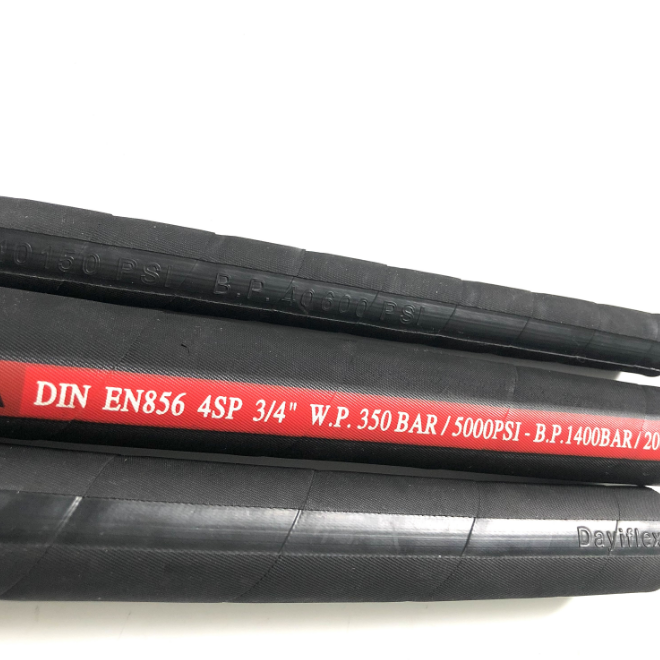
China oil hose, encompassing a broad range of reinforced rubber constructions, serves as a critical component in the safe and efficient transfer of petroleum-based products across numerous industries, including offshore oil exploration, petrochemical processing, and fuel distribution. These hoses are engineered to withstand high pressures, abrasive materials, and harsh environmental conditions. Their technical position within the supply chain is significant, bridging bulk storage and transportation vessels with refining infrastructure and end-user delivery systems. Core performance characteristics are defined by burst pressure, working pressure, chemical compatibility with specific hydrocarbons, and resistance to abrasion and weathering. The industry faces ongoing challenges related to maintaining hose integrity in aggressive chemical environments, optimizing hose weight for ease of handling, and ensuring consistent performance under dynamic loading conditions, driving a demand for advanced materials and manufacturing processes.
Material Science & Manufacturing
The core material in China oil hose construction is typically a synthetic rubber compound, most commonly nitrile rubber (NBR) for its excellent oil resistance. Other elastomers, such as chlorinated polyethylene (CPE), ethylene propylene diene monomer (EPDM) and fluorocarbon (FKM) are utilized for specialized applications requiring resistance to specific chemicals or higher temperature ranges. Reinforcement layers are crucial for pressure containment and typically consist of multiple plies of high-tensile strength fabric, often employing polyester or aramid fibers, embedded within the rubber matrix. Abrasive resistant liners, constructed of carbon black-infused rubber, protect against solid particle erosion. Manufacturing involves several key processes. Inner tube extrusion forms the initial layer, followed by the application of reinforcement plies using a calendaring and winding process. The outer cover, providing environmental protection, is then extruded and bonded to the reinforced inner structure. Critical parameters include rubber compound formulation (specifically, the ratio of oil-resistant polymers, plasticizers, and curing agents), ply tension during winding (affecting burst strength), and vulcanization temperature and duration (controlling rubber cross-linking density and overall material properties). Quality control encompasses rigorous testing of material properties, dimensional accuracy, and adhesion between layers. Specific manufacturing techniques, such as spiral wrapping for increased flexibility and high-pressure capability, are employed depending on the hose’s intended service.

Performance & Engineering
China oil hose performance is dictated by several engineering considerations. Force analysis is paramount, focusing on hoop stress within the hose wall under internal pressure. Burst pressure ratings are determined through hydrostatic testing to at least 3:1 safety factor. Dynamic loading, caused by pulsation and movement during fluid transfer, induces fatigue stress, necessitating consideration of fatigue life during design. Environmental resistance is critical; UV exposure degrades rubber polymers, requiring the inclusion of UV stabilizers in the outer cover compound. Temperature extremes affect rubber elasticity and strength, demanding material selection appropriate for the operating environment. Chemical compatibility is fundamental. Prolonged exposure to incompatible fluids can cause swelling, softening, or cracking of the rubber. Compliance requirements vary based on geographical region and application. Offshore hoses, for instance, must meet stringent standards related to fire resistance and electrostatic discharge (ESD) control. Functional implementation involves selecting appropriate end fittings (flanges, quick-connect couplings) compatible with the hose material and pressure rating, and ensuring proper installation procedures to avoid stress concentrations and premature failure. Bend radius limitations are crucial to avoid kinking and localized stress. Grounding systems are essential to dissipate static electricity in flammable environments.
Technical Specifications
| Parameter | Unit | Specification (Typical) | Testing Standard |
|---|---|---|---|
| Working Pressure | bar | 10 - 20 | ISO 14307 |
| Burst Pressure | bar | 30 - 60 | ISO 14307 |
| Temperature Range | °C | -40 to +100 | ASTM D395 |
| Inner Tube Material | - | NBR, CPE, FKM | ASTM D2000 |
| Reinforcement Material | - | Polyester/Aramid Fiber | ASTM D792 |
| Outer Cover Material | - | CPE, PVC | ASTM D793 |
Failure Mode & Maintenance
Common failure modes in China oil hose include fatigue cracking at the reinforcement layer due to repeated bending and pressure cycling. This is often initiated at areas of high stress concentration, such as near end fittings. Another prevalent issue is rubber degradation caused by ozone cracking, UV exposure, and chemical attack. Swelling or softening of the rubber due to incompatible fluids can also lead to permeation and eventual failure. Abrasion from entrained solids within the fluid stream causes wear on the inner liner. Delamination between rubber layers weakens the hose structure. Oxidation of the rubber compound, especially at elevated temperatures, reduces its elasticity and tensile strength. Maintenance strategies involve regular visual inspections for cracks, bulges, or abrasions. Pressure testing should be conducted periodically to verify hose integrity. Proper storage practices, shielding from UV light and ozone, are essential. Hoses should be drained and capped when not in use to prevent contamination. End fittings should be inspected for corrosion or damage. In the event of a detected defect, the hose should be immediately taken out of service and replaced. Proper hose handling techniques, avoiding sharp bends and excessive kinking, are crucial for extending service life. A comprehensive failure analysis should be conducted on any failed hose to determine the root cause and prevent recurrence.
Industry FAQ
Q: What are the key differences between NBR and CPE inner tube materials for oil hoses?
A: NBR (Nitrile Butadiene Rubber) offers superior resistance to aliphatic hydrocarbons like gasoline and diesel, making it ideal for fuel transfer. However, it has limited resistance to ozone and weathering. CPE (Chlorinated Polyethylene) provides excellent ozone, weathering, and abrasion resistance, but its resistance to certain aromatic hydrocarbons is lower than NBR. The choice depends on the specific fluid being transferred and the environmental conditions.
Q: How does the reinforcement layer impact the burst pressure rating of an oil hose?
A: The reinforcement layer is the primary structural component responsible for containing the internal pressure. Increasing the ply count and utilizing higher tensile strength fibers (like aramid) directly increases the hose’s ability to withstand pressure before bursting. The angle of the reinforcement plies also plays a role; a steeper angle provides greater hoop strength.
Q: What is the significance of electrostatic discharge (ESD) control in offshore oil hoses?
A: The transfer of hydrocarbons can generate static electricity, creating a potential ignition source in a flammable atmosphere. ESD control measures, such as conductive reinforcement layers and grounding systems, are crucial to prevent electrostatic buildup and mitigate the risk of fire or explosion.
Q: What are the limitations of using a PVC outer cover on an oil hose?
A: While PVC is cost-effective and provides good abrasion resistance, it is susceptible to degradation from UV exposure and can become brittle in cold temperatures. It also offers limited resistance to certain chemicals. CPE is often preferred for harsher environments requiring greater durability and flexibility.
Q: What testing is typically performed to ensure the chemical compatibility of an oil hose?
A: Chemical compatibility testing involves immersing a sample of the hose material in the target fluid for a specified period at a specific temperature. Changes in weight, volume, hardness, and tensile strength are measured to assess the material’s resistance to degradation. ASTM D471 is a common standard used for this testing.
Conclusion
China oil hose technology represents a critical intersection of material science, manufacturing precision, and rigorous engineering. The selection of appropriate rubber compounds, reinforcement materials, and manufacturing processes is crucial for ensuring safe and reliable fluid transfer in demanding environments. Understanding the failure modes and implementing preventative maintenance strategies are essential for maximizing hose service life and minimizing downtime.
The continued advancement of oil hose technology will focus on developing materials with enhanced chemical resistance, increased temperature stability, and improved abrasion resistance. Furthermore, innovative designs aimed at reducing hose weight and improving flexibility will drive increased efficiency and ease of handling. Adherence to relevant international standards and a commitment to quality control are paramount to maintaining the integrity and reliability of these critical components within the global energy infrastructure.