
Apr . 01, 2024 17:55 Back to list
china nylon hose Performance Analysis
Introduction
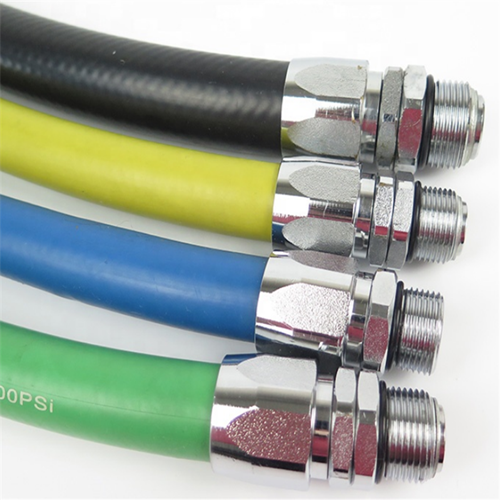
China nylon hose, specifically referring to high-pressure hydraulic hose constructed with a nylon inner tube reinforced with multiple layers of high-tensile steel wire and a robust outer cover, represents a critical component in fluid power systems across diverse industries. Its technical position in the industrial chain is between the hydraulic pump/valve and the actuator, reliably transmitting hydraulic fluid under extreme pressures. This guide details the material science, manufacturing processes, performance characteristics, potential failure modes, and maintenance procedures pertinent to these hoses. Core performance focuses on burst pressure, working pressure, temperature resistance, and abrasion resistance, directly impacting system reliability and safety. The increasing demand for hydraulic systems in construction equipment, agricultural machinery, and industrial automation drives continuous improvements in nylon hose technology, with a particular emphasis on enhancing durability and reducing weight.
Material Science & Manufacturing
The foundational material for the inner tube is typically Nylon 6 or Nylon 11, selected for their excellent resistance to petroleum-based hydraulic fluids, abrasion resistance, and good elasticity. Nylon 6 exhibits higher tensile strength but lower chemical resistance than Nylon 11. The reinforcement layers consist of high-tensile steel wire, commonly carbon steel with a tensile strength exceeding 2000 MPa. The outer cover is generally constructed from synthetic rubber compounds, such as Chloroprene (CR) or Polyurethane (PU), chosen for their resistance to abrasion, ozone, weathering, and oil. Manufacturing begins with the extrusion of the nylon inner tube, followed by the spiraling or braiding of the steel wire reinforcement layers. Precise tension control during the reinforcement application is crucial to achieve the specified pressure rating and flexibility. Finally, the outer cover is extruded over the reinforced tube. Key parameters controlled during manufacturing include extrusion temperature, cooling rate, wire tension, and cure time/temperature for the outer cover. Quality control involves hydrostatic pressure testing to 1.5 times the working pressure and impulse testing to assess fatigue resistance. Proper vulcanization of the outer cover is critical for achieving optimal chemical and physical properties.

Performance & Engineering
The performance of china nylon hose is dictated by several key engineering considerations. Burst pressure, typically 4 to 10 times the working pressure, is determined by the steel wire reinforcement density and the nylon tube’s tensile strength. Flexibility is crucial to facilitate installation and operation, especially in tight spaces; this is primarily governed by the wire braid angle and the nylon tube’s elasticity. Temperature resistance is paramount, as hydraulic fluid temperature fluctuations can significantly impact hose performance. Nylon 6 generally operates effectively between -40°C and +100°C, while Nylon 11 can withstand temperatures up to +120°C. Environmental resistance is vital, specifically protection against ozone cracking, UV degradation, and chemical attack from oil, fuel, and other contaminants. Force analysis during dynamic operation reveals potential stress concentrations at hose ends and fittings. Compliant with SAE J517 standards, these hoses must demonstrate consistent performance under cyclic pressure and temperature variations. The selection of appropriate fittings (crimped or field-attachable) is essential to maintain the hose’s pressure rating and prevent premature failure. Proper hose routing, minimizing bends and avoiding abrasion against other components, also extends service life.
Technical Specifications
| Parameter | Unit | Nylon Hose – Standard Grade | Nylon Hose – High-Performance Grade |
|---|---|---|---|
| Working Pressure | MPa | 20 | 35 |
| Burst Pressure | MPa | 80 | 140 |
| Inner Tube Material | - | Nylon 6 | Nylon 11 |
| Reinforcement | Layers | 4SP (Spiral) | 6SP (Spiral) |
| Outer Cover Material | - | Chloroprene (CR) | Polyurethane (PU) |
| Temperature Range | °C | -40 to +100 | -40 to +120 |
Failure Mode & Maintenance
Common failure modes in china nylon hose include burst failure due to exceeding the working pressure or fatigue cracking from repeated pressure cycling. Wire breakage within the reinforcement layers is another frequent cause of failure, often initiated by corrosion or stress corrosion cracking. Abrasion of the outer cover can expose the reinforcement wires, leading to corrosion and eventual failure. Hose end failures are frequently observed due to improper crimping of fittings or damage during installation. Internal degradation of the nylon tube can occur due to chemical incompatibility with the hydraulic fluid or excessive temperature exposure. Maintenance procedures should include regular visual inspection for signs of abrasion, cracking, or leakage. Hose assemblies should be replaced if any damage is detected. Proper hose routing and protection from abrasion are crucial preventative measures. Hydraulic fluid contamination should be minimized through filtration to prevent internal degradation. Fittings should be inspected for proper crimp integrity. Periodic pressure testing can help identify potential weaknesses before catastrophic failure occurs. Avoid sharp bends and kinking during installation and operation.
Industry FAQ
Q: What is the impact of hydraulic fluid type on the service life of a nylon hose?
A: The compatibility of the hydraulic fluid with the nylon inner tube is critical. Incompatible fluids can cause swelling, softening, or chemical degradation of the nylon, leading to premature failure. Phosphate ester fluids, for example, require specialized hose constructions. It's essential to consult fluid compatibility charts and select a hose specifically designed for the intended fluid type.
Q: How does impulse pressure affect the lifespan of a hydraulic hose?
A: Impulse pressure, or pressure spikes, significantly reduces hose life. Repeated pressure surges create cyclic stresses that lead to fatigue cracking in the reinforcement wires and the nylon tube. High-performance hoses with tighter reinforcement and optimized construction are designed to withstand higher impulse pressures.
Q: What are the key considerations when selecting fittings for a nylon hose?
A: Fittings must be rated for at least the working pressure of the hose and should be properly crimped to ensure a leak-proof seal. The fitting material must be compatible with both the hose and the hydraulic fluid. Incorrectly sized or damaged fittings are a common cause of hose failure.
Q: What is the role of the outer cover in protecting the hose?
A: The outer cover provides protection against abrasion, ozone, UV radiation, and chemical attack. A durable outer cover significantly extends the hose’s service life. Polyurethane covers generally offer superior abrasion resistance compared to chloroprene covers.
Q: What are best practices for storing unused hydraulic hoses?
A: Unused hoses should be stored in a cool, dry, and dark location, away from direct sunlight and heat sources. Hoses should be stored loosely coiled to avoid kinking or stressing the reinforcement layers. Regular inspection for degradation is still recommended, even during storage.
Conclusion
China nylon hose serves as a foundational component in modern hydraulic systems, demanding meticulous attention to material science, manufacturing precision, and application-specific engineering considerations. The selection of appropriate materials – Nylon 6 or 11 for the inner tube, high-tensile steel wire for reinforcement, and durable synthetic rubber for the outer cover – directly impacts performance and longevity. Maintaining stringent control over manufacturing parameters like extrusion temperature, wire tension, and vulcanization time is vital for ensuring consistent quality and reliability.
Looking ahead, advancements in nylon hose technology will likely focus on developing lighter-weight materials, enhancing temperature resistance, and improving resistance to aggressive hydraulic fluids. The integration of smart sensors for real-time pressure and temperature monitoring will further optimize performance and predictive maintenance. A continued commitment to rigorous quality control and adherence to international standards remains paramount for ensuring the safe and efficient operation of hydraulic systems utilizing these critical components.

