
Apr . 01, 2024 17:55 Back to list
china lpg gas hose Performance Analysis

Introduction
China LPG gas hose, commonly referred to as propane hose, is a critical component in the safe and efficient delivery of liquefied petroleum gas (LPG) for residential, commercial, and industrial applications. Positioned within the fuel distribution chain between the gas cylinder regulator and the appliance, its primary function is to withstand the unique pressures and chemical interactions associated with LPG. Core performance characteristics encompass leak-proof operation, resistance to LPG permeation, and compatibility with varying temperature conditions. The increasing demand for LPG in emerging markets and a growing emphasis on safety standards drive the continual development of enhanced hose designs and materials. This guide provides an in-depth technical overview of China LPG gas hose, encompassing material science, manufacturing processes, performance criteria, failure modes, and relevant industry standards.
Material Science & Manufacturing
The construction of China LPG gas hose typically involves a multi-layered design, utilizing a combination of synthetic rubber compounds reinforced with textile or steel braiding. The inner tube, in direct contact with LPG, is commonly formulated from Chloroprene Rubber (CR), also known as Neoprene, owing to its excellent resistance to oil, chemicals, and ozone. Nitrile Rubber (NBR) is also employed, particularly where improved resistance to aliphatic hydrocarbons is required. The reinforcement layer is critical for withstanding internal pressure. High-tensile strength polyester or nylon braiding are common choices for flexibility and cost-effectiveness. For higher pressure applications, single or double helical steel wire reinforcement is utilized. The outer cover is typically composed of Ethylene Propylene Diene Monomer (EPDM) rubber, providing resistance to weathering, abrasion, and UV degradation.
Manufacturing commences with the extrusion of the inner tube to the specified dimensions. The reinforcement layer is then applied, often via a spiral winding process, ensuring complete coverage and consistent pressure resistance. The outer cover is subsequently extruded over the reinforcement layer. A key parameter in manufacturing is the vulcanization process, where the rubber compounds are cross-linked using heat and sulfur or peroxide curing agents. Precise temperature control and curing time are crucial to achieve optimal physical properties such as tensile strength, elongation at break, and hardness. Post-extrusion, hoses undergo rigorous pressure testing, typically to 1.5 times the working pressure, to identify any defects. Quality control also includes checks for dimensional accuracy, material composition, and visual inspection for flaws. The use of automated extrusion and braiding machinery is prevalent in Chinese manufacturing to ensure consistency and high production volumes. Material traceability is becoming increasingly important to comply with international safety regulations.
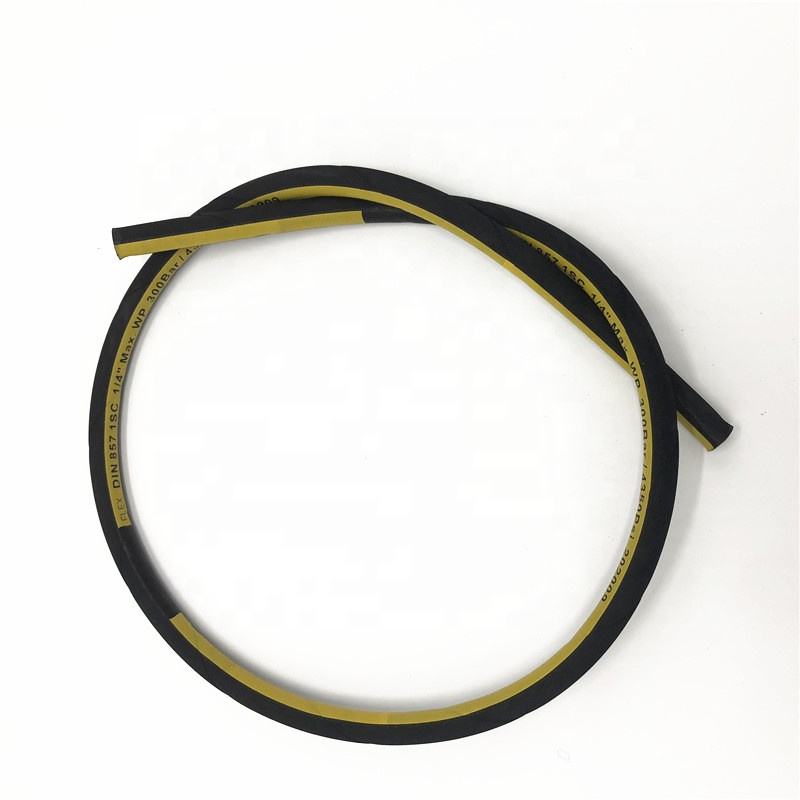
Performance & Engineering
The performance of China LPG gas hose is fundamentally governed by its ability to contain LPG under pressure and prevent leakage. Internal pressure testing, conducted according to standards like GB/T 9754, assesses the hose’s burst pressure and working pressure. Force analysis focuses on hoop stress within the hose wall, calculated using the Barlow’s formula, considering the internal pressure and hose dimensions. The reinforcement layer plays a critical role in mitigating this stress. Environmental resistance is paramount, particularly concerning temperature fluctuations. LPG hoses are routinely tested for flexibility and performance at both low (-30°C) and high (+60°C) temperatures, simulating real-world operating conditions. Ozone resistance is also critical as ozone can cause cracking and degradation of the rubber compounds. Permeation testing is essential to quantify the rate at which LPG molecules diffuse through the hose wall, influencing gas loss and potentially creating a hazardous atmosphere. This is typically measured in cubic centimeters per square meter per day (cm³/m²/day). Compliance with regional safety regulations, such as those mandated by EN 1763 in Europe or UL 21 standards in North America, is crucial for market access. The hose must also exhibit resistance to kinking and crushing, ensuring uninterrupted gas flow even under physical stress. Flame resistance, while not a primary characteristic, is also considered, and specific formulations may include flame retardant additives.
Technical Specifications
| Parameter | Unit | Typical Value (Standard Duty Hose) | Typical Value (High-Pressure Hose) |
|---|---|---|---|
| Working Pressure | MPa | 0.6 | 1.6 |
| Burst Pressure | MPa | 2.4 | 6.4 |
| Inner Diameter | mm | 6.3 - 19 | 8 - 25 |
| Outer Diameter | mm | 12 - 28 | 16 - 35 |
| Tensile Strength | MPa | 15 | 20 |
| Elongation at Break | % | 300 | 400 |
| Permeation Rate (LPG) | cm³/m²/day | <5 | <3 |
Failure Mode & Maintenance
Common failure modes of China LPG gas hose include fatigue cracking, particularly at the connection points due to repeated bending and flexing. Delamination of the rubber layers can occur due to inadequate bonding during manufacturing or prolonged exposure to harsh environmental conditions. LPG permeation, while inherent, can accelerate degradation of the rubber compounds over time, leading to embrittlement and cracking. Oxidation, caused by exposure to oxygen and ozone, contributes to the hardening and cracking of the outer cover. Physical damage, such as cuts or abrasions, can compromise the hose’s integrity, leading to leaks. Internal pressure surges can also contribute to hose failure. Regular visual inspection is crucial for preventative maintenance. This should include checking for cracks, bulges, abrasions, and signs of deterioration. Hoses should be replaced immediately if any defects are observed. Connection points should be inspected for tightness and corrosion. Avoid exposing the hose to direct sunlight, extreme temperatures, or contact with sharp objects. When storing the hose, it should be coiled loosely to prevent kinking. The service life of the hose is typically 5-7 years, but this can vary depending on operating conditions and frequency of use. Records of inspection and replacement should be maintained for safety and compliance purposes. Any sign of LPG odor should necessitate immediate shut off and inspection.
Industry FAQ
Q: What is the impact of LPG composition on hose material selection?
A: The composition of LPG varies depending on its source and intended use. Propane-rich LPG requires materials with superior resistance to propane permeation and swelling. Butane-rich LPG demands materials that can maintain flexibility at lower temperatures. The hose manufacturer must consider the specific LPG composition to ensure compatibility and prevent material degradation.
Q: How does the reinforcement layer affect the hose's resistance to kinking?
A: The type and construction of the reinforcement layer significantly impact the hose's resistance to kinking. Steel wire reinforcement provides superior kink resistance compared to textile braiding. A tighter braid pitch also enhances kink resistance. However, steel reinforcement makes the hose less flexible.
Q: What are the key differences between EN 1763 and GB/T 9754 standards?
A: EN 1763 is a European standard that specifies stringent requirements for LPG hoses, including detailed testing procedures for pressure resistance, permeation, and aging. GB/T 9754 is the Chinese national standard, which, while similar in scope, may have slightly different testing parameters and acceptance criteria. Compliance with both standards is often required for international trade.
Q: How important is traceability of raw materials in LPG hose manufacturing?
A: Traceability of raw materials is increasingly important for quality control and regulatory compliance. It allows manufacturers to identify the source of any material defects and enables efficient recall procedures if necessary. It also demonstrates a commitment to product safety and responsible manufacturing practices.
Q: What measures can be taken to minimize LPG permeation through the hose?
A: Minimizing LPG permeation requires using rubber compounds with low permeability, such as CR or specialized blends. Increasing the hose wall thickness can also reduce permeation rates. Proper vulcanization and ensuring a tight bond between layers are also critical. Regular inspection for cracks or damage is crucial as even small defects can significantly increase permeation.
Conclusion
China LPG gas hose is a specialized product requiring careful material selection, precise manufacturing control, and adherence to rigorous testing standards. The core functionality – safe and reliable conveyance of LPG – is dependent on a combination of factors including chemical compatibility, pressure resistance, and environmental durability. Understanding the potential failure modes and implementing regular preventative maintenance are essential for ensuring long-term performance and safety.
The industry is continually evolving, driven by stricter safety regulations and the demand for higher performance materials. Future developments are likely to focus on improved rubber formulations with lower permeability, enhanced reinforcement layers for increased durability, and the integration of smart sensors for real-time monitoring of hose integrity. Maintaining a thorough understanding of these advancements is crucial for procurement professionals and engineers involved in the LPG distribution sector.