
Apr . 01, 2024 17:55 Back to list
china hydraulic oil hose Performance Analysis
Introduction
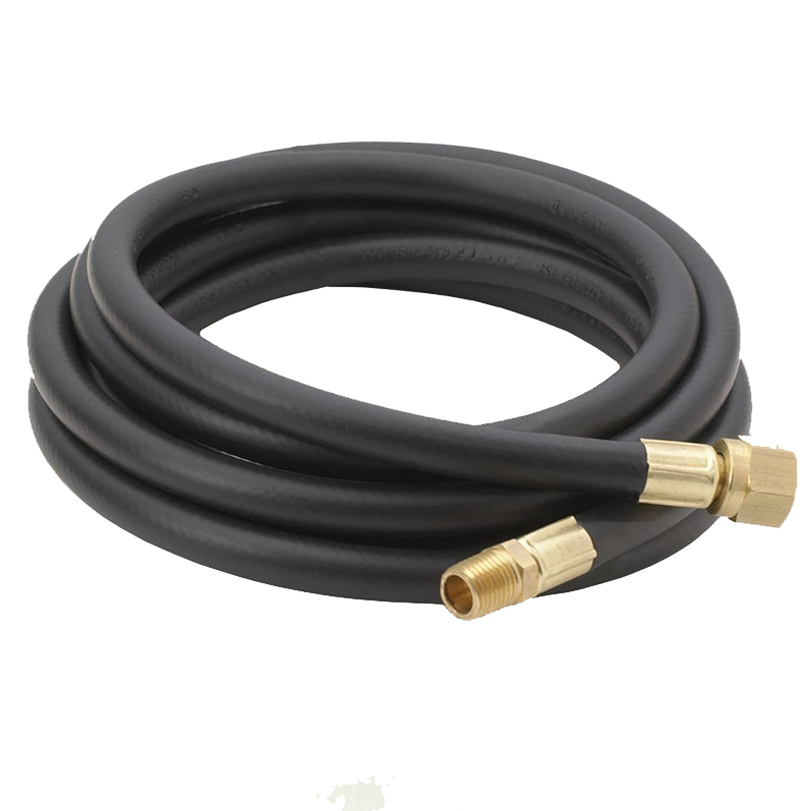
Hydraulic oil hose, manufactured in China, represents a critical component in fluid power systems across diverse industries including construction, agriculture, manufacturing, and mining. These hoses are engineered to safely and efficiently transmit hydraulic fluid under high pressure, facilitating the operation of hydraulic machinery. The Chinese manufacturing base has become a significant global supplier, offering a range of hose types constructed from various materials to meet specific application demands. Critical performance characteristics include pressure rating, temperature resistance, and compatibility with various hydraulic fluids. A key pain point in the industry revolves around ensuring consistent quality control, particularly regarding burst pressure and long-term durability, stemming from variability in raw material sourcing and manufacturing processes. This guide provides an in-depth technical overview of Chinese hydraulic oil hose, encompassing material science, manufacturing processes, performance parameters, failure modes, and relevant industry standards.
Material Science & Manufacturing
The core construction of a hydraulic oil hose typically involves four key layers: the inner tube, reinforcement layer(s), outer cover, and, in some cases, a bonding layer. The inner tube, which directly contacts the hydraulic fluid, is commonly constructed from synthetic rubbers such as nitrile rubber (NBR), ethylene propylene diene monomer (EPDM), or fluorocarbon rubber (FKM, Viton®). NBR offers excellent resistance to petroleum-based hydraulic fluids but has limited temperature resistance. EPDM exhibits superior temperature and ozone resistance but is not compatible with all fluid types. FKM provides exceptional chemical and temperature resistance but is significantly more expensive. The reinforcement layer provides the necessary strength to withstand high pressures. Common reinforcement materials include one or multiple braids of high-tensile steel wire, spiral-wound steel wire, or synthetic fiber (e.g., aramid fiber). Steel wire reinforcement is favored for high-pressure applications. The outer cover, providing environmental protection and abrasion resistance, is typically made from synthetic rubber compounds like chloroprene rubber (CR) or polyurethane (PU). Manufacturing processes vary depending on hose type. Braided hoses are created by helically winding steel wire around a mandrel, followed by vulcanization. Spiral-wound hoses are produced by continuously winding steel wire around a central mandrel with simultaneous application of rubber compounds. Parameter control during vulcanization—specifically temperature, pressure, and time—is critical for achieving optimal rubber properties, including tensile strength, elongation, and hardness. Chemical compatibility testing between the inner tube material and the intended hydraulic fluid is paramount to prevent swelling, degradation, or cracking.

Performance & Engineering
Hydraulic oil hose performance is dictated by a complex interplay of pressure, temperature, fluid compatibility, and mechanical stresses. Force analysis focuses on hoop stress within the hose wall, calculated using the Barlow's formula, modified for multi-layered constructions. Higher working pressures necessitate increased reinforcement layers. Environmental resistance is a major concern, especially exposure to ozone, UV radiation, and extreme temperatures. UV degradation causes rubber cracking and loss of flexibility, while extreme temperatures can lead to hardening or softening, affecting dimensional stability and seal integrity. Compliance requirements, such as those stipulated by SAE (Society of Automotive Engineers) standards and ISO (International Organization for Standardization) standards, dictate minimum performance criteria for burst pressure, impulse pressure, and temperature range. Functional implementation considerations include bend radius, which impacts stress concentration at the bend point, and hose length, which influences pressure drop due to fluid friction. Proper hose routing and support are vital to prevent kinking, abrasion, and excessive flexing. The selection of appropriate end fittings (e.g., crimped fittings, field-attachable fittings) is also crucial for ensuring a leak-free and reliable connection. Fatigue analysis, simulating cyclic pressure loading, is essential for predicting hose life under dynamic operating conditions.
Technical Specifications
| Parameter | Unit | SAE 100R1 AT | SAE 100R2 AT |
|---|---|---|---|
| Working Pressure | MPa | 3.5 | 7.0 |
| Burst Pressure | MPa | 10.5 | 21.0 |
| Temperature Range | °C | -40 to +100 | -40 to +121 |
| Inner Tube Material | - | NBR | NBR |
| Reinforcement | - | Single Steel Wire Braid | Two Steel Wire Braids |
| Outer Cover Material | - | CR | CR |
Failure Mode & Maintenance
Common failure modes in hydraulic oil hose include burst, leakage, kinking, and degradation. Burst failures typically occur due to exceeding the hose’s pressure rating or fatigue cracking caused by repeated pressure cycles. Leakage can result from damaged fittings, cracks in the hose wall, or permeation of hydraulic fluid through the rubber material. Kinking occurs when the hose is bent beyond its minimum bend radius, restricting fluid flow and potentially causing internal damage. Degradation encompasses a range of mechanisms, including oxidation, ozone cracking, UV degradation, and chemical attack. Oxidation causes the rubber to harden and lose its flexibility. Ozone cracking manifests as surface cracks due to ozone exposure. UV degradation results in surface chalking and embrittlement. Chemical attack occurs when the hose material is incompatible with the hydraulic fluid. Maintenance strategies include regular visual inspections for signs of damage (cracks, abrasions, leaks), pressure testing to verify the hose’s integrity, and proper hose routing and support to minimize stress. Fluid analysis is crucial for identifying contaminants that could accelerate hose degradation. Replacement should be performed according to manufacturer’s recommendations or when damage is detected. Proper storage is also important; hoses should be stored in a cool, dry, dark place away from ozone sources and direct sunlight.
Industry FAQ
Q: What is the impact of hydraulic fluid type on hose selection?
A: Hydraulic fluid compatibility is paramount. Using an incompatible fluid can cause the inner tube to swell, degrade, or crack, leading to premature failure. Phosphate ester fluids, for example, require specialized hose constructions due to their aggressive chemical nature. Always verify fluid compatibility with the hose manufacturer's specifications.
Q: How does temperature affect the performance and lifespan of a hydraulic hose?
A: Temperature extremes significantly impact hose performance. High temperatures accelerate rubber degradation and reduce burst pressure. Low temperatures can cause the rubber to harden and become less flexible, increasing the risk of cracking. Selecting a hose with a temperature range appropriate for the operating environment is critical.
Q: What are the key differences between braided and spiral-wound hydraulic hoses?
A: Braided hoses are generally more flexible and suitable for applications with tight bend radii. Spiral-wound hoses offer higher pressure ratings and are more resistant to kinking. The choice depends on the specific pressure and routing requirements of the application.
Q: What is the significance of impulse pressure rating?
A: Impulse pressure refers to the hose’s ability to withstand pressure surges or spikes. These surges are common in hydraulic systems due to pump pulsations and valve switching. A higher impulse pressure rating indicates greater durability under dynamic loading conditions.
Q: How important is proper hose assembly (crimping) and what potential issues can arise from improper crimping?
A: Proper hose assembly is crucial for ensuring a leak-free and reliable connection. Improper crimping can lead to over-crimping (damaging the hose reinforcement) or under-crimping (resulting in leakage). Using certified crimping equipment and following manufacturer’s specifications are essential.
Conclusion
China-manufactured hydraulic oil hoses have become integral to global fluid power systems. Understanding the intricacies of material science, manufacturing processes, and performance parameters is essential for selecting the appropriate hose for a given application. Key considerations include fluid compatibility, temperature range, pressure rating, and environmental resistance.
Proactive maintenance, including regular inspections, fluid analysis, and adherence to manufacturer’s recommendations, is vital for maximizing hose lifespan and preventing catastrophic failures. Continued advancements in rubber technology and manufacturing techniques are driving improvements in hose performance and durability, further solidifying China’s position as a leading supplier in this critical industry.