
Apr . 01, 2024 17:55 Back to list
china hydraulic hose manufacturer suppliers Technical Specifications
Introduction
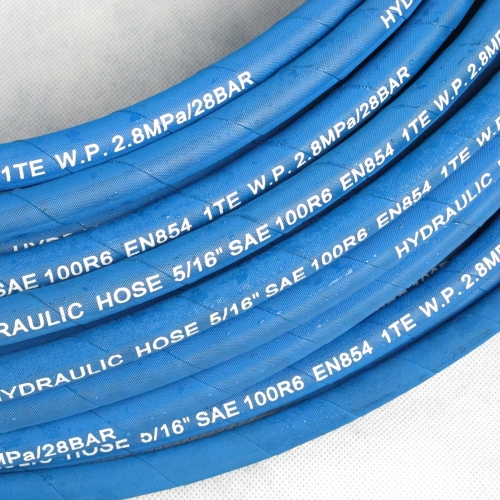
Hydraulic hose assemblies manufactured in China represent a significant portion of the global supply chain for fluid power systems. These hoses are critical components in a vast array of applications, spanning construction equipment, agricultural machinery, material handling, industrial manufacturing, and automotive industries. A core challenge for procurement professionals lies in navigating the diverse landscape of Chinese manufacturers, ensuring consistent quality, adherence to international standards, and reliable long-term performance. This guide provides an in-depth technical overview of Chinese-manufactured hydraulic hoses, covering material science, manufacturing processes, performance characteristics, failure modes, and relevant industry regulations. The focus is on identifying key technical considerations for specifying and procuring these products, mitigating risks associated with variation in manufacturing capabilities, and ensuring the longevity and safety of hydraulic systems.
Material Science & Manufacturing
Chinese hydraulic hose manufacturers typically employ several key materials in their production processes. The inner tube is commonly composed of synthetic rubbers such as nitrile (NBR), which provides excellent resistance to petroleum-based fluids, or ethylene propylene diene monomer (EPDM) for phosphate ester fluids. Reinforcement layers are critical for pressure containment, utilizing high-tensile steel wire – the grade and braiding angle of which significantly impact the hose's pressure rating and flexibility. Exterior cover materials generally consist of chlorinated polyethylene (CPE) or polyurethane, providing abrasion, weather, and ozone resistance. Manufacturing processes vary based on hose type and complexity. Spiral hoses are created by continuously winding reinforcement wire around a mandrel, followed by rubber extrusion and vulcanization. Braided hoses involve interlacing wires in a specific pattern before rubber extrusion and curing. Key parameter control during manufacturing includes precise rubber compound mixing ratios (affecting chemical compatibility and temperature range), consistent wire tension during braiding/winding (determining pressure capability), and accurate vulcanization temperatures and times (crucial for achieving optimal physical properties). A frequent point of concern is the consistency of steel wire quality and adherence to specified tensile strengths. Variation in wire quality directly impacts burst pressure and fatigue life.
Performance & Engineering
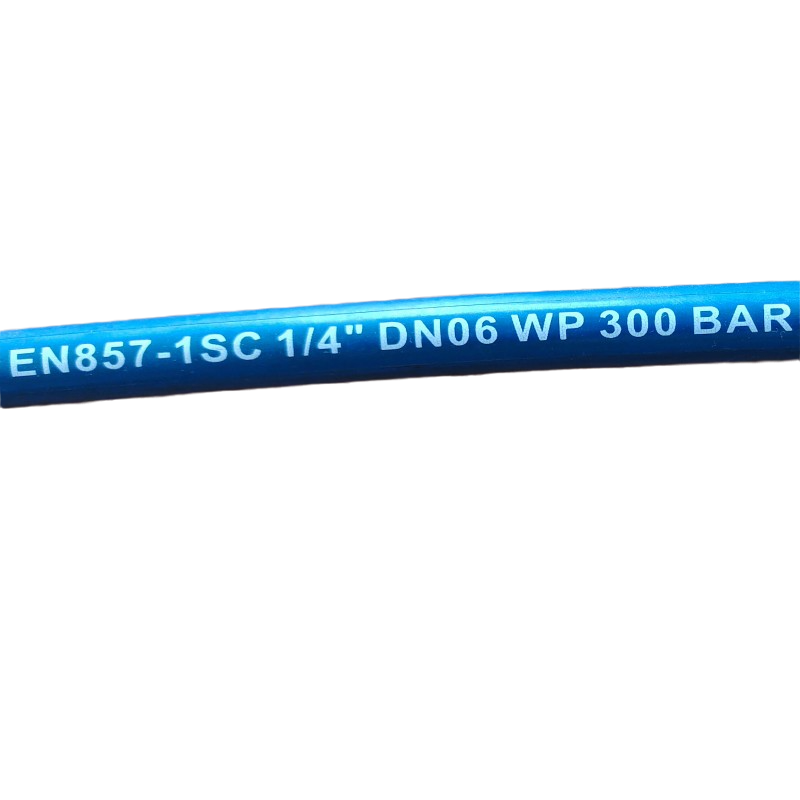
The performance of a hydraulic hose is dictated by several engineering considerations. Burst pressure, defined as the pressure at which the hose fails catastrophically, is a primary specification, but working pressure (typically 50-75% of burst pressure) is the critical parameter for safe operation. Impulse pressure resistance is crucial in systems with pulsating flow, requiring the hose to withstand repeated pressure spikes without failure. Flexibility, or bend radius, determines the hose's ability to route around obstacles and is influenced by reinforcement type and hose diameter. Temperature range compatibility is paramount; exceeding specified temperature limits can cause rubber degradation and loss of pressure containment. Environmental resistance, including protection against ozone, UV radiation, and chemical exposure, is essential for outdoor or harsh industrial environments. Finite element analysis (FEA) is increasingly used by advanced Chinese manufacturers to optimize hose designs and predict performance under various loading conditions. Compliance requirements, such as those outlined by SAE J517 and EN 853, dictate testing procedures and performance standards. A common failure point is improper hose assembly – incorrect crimping can significantly reduce pressure ratings and lead to premature failure.
Technical Specifications
| Hose Type | Working Pressure (PSI) | Burst Pressure (PSI) | Temperature Range (°F) |
|---|---|---|---|
| Hydraulic Hose - Wire Braid | 2000 | 8000 | -40 to 212 |
| Hydraulic Hose - Spiral Wire | 3000 | 12000 | -40 to 212 |
| Thermoplastic Hose - Wire Braid | 1500 | 6000 | -40 to 176 |
| Rubber Hose - 2 Wire Braid | 2500 | 10000 | -40 to 212 |
| Rubber Hose - 4 Wire Braid | 3500 | 14000 | -40 to 212 |
| Ultra High Pressure Hose | 5000 | 20000 | -40 to 250 |
Failure Mode & Maintenance
Hydraulic hose failure modes are diverse and often interconnected. Fatigue cracking, resulting from repeated flexing and pressure cycling, is a common cause, particularly in hoses subjected to high stress concentrations near fittings. Abrasion, caused by contact with abrasive surfaces, can compromise the cover layer and expose the reinforcement. Oil leakage, often stemming from pinholes or cracks in the inner tube, poses a significant environmental and safety hazard. Wire reinforcement corrosion can occur due to exposure to moisture and corrosive fluids, weakening the hose structure. Delamination, the separation of rubber layers, reduces pressure containment. Oxidation, particularly at elevated temperatures, leads to rubber degradation and embrittlement. Maintenance strategies include regular visual inspections for signs of wear and damage, pressure testing to verify integrity, and proper storage to prevent deterioration. Hose assemblies should be replaced at recommended intervals, even if no visible damage is apparent. Proper routing and support are crucial to minimize stress and prevent abrasion. Crimped fittings should be inspected for proper engagement and tightness. Using the correct fluid type is essential to prevent chemical incompatibility and rubber degradation.
Industry FAQ
Q: What are the typical quality control measures employed by Chinese hydraulic hose manufacturers?
A: Reputable manufacturers implement multi-stage quality control processes, including raw material inspection, in-process monitoring of critical parameters (rubber compound consistency, wire tension, vulcanization time), and final product testing (burst pressure, impulse testing, leak testing). ISO 9001 certification is a common indicator of a robust quality management system, but independent third-party audits are recommended to verify compliance.
Q: How does the steel wire quality in Chinese hoses compare to European or American counterparts?
A: Historically, steel wire quality has been a concern. However, many Chinese manufacturers now source high-quality steel wire from established suppliers and employ stringent quality control measures. It’s crucial to request material certificates and conduct independent testing to verify compliance with specified tensile strength and elongation requirements.
Q: What are the common challenges related to hose fitting compatibility?
A: Fitting compatibility is a critical issue. Chinese manufacturers may offer a variety of fitting types, but ensuring compatibility with existing systems requires careful attention to thread standards (NPT, BSP, SAE) and fitting materials. Incorrect fitting selection can lead to leaks and premature failure.
Q: What specific standards should I look for when evaluating a Chinese hydraulic hose supplier?
A: Key standards include SAE J517 (hydraulic hose performance), EN 853 (rubber hoses for hydraulic applications), ISO 3862 (hose fittings), and ISO 3766 (test methods). Compliance with these standards provides assurance of performance and safety.
Q: How do varying rubber compound formulations impact hose lifespan and chemical compatibility?
A: Rubber compound formulation dramatically affects performance. Nitrile rubber (NBR) offers good oil resistance but limited temperature range. EPDM excels in high-temperature and phosphate ester fluid applications. Carefully selecting a compound compatible with the intended fluid and operating conditions is vital for maximizing hose lifespan.
Conclusion
The Chinese hydraulic hose manufacturing sector has undergone significant advancements in recent years, offering competitive pricing and increasingly sophisticated product capabilities. However, ensuring consistent quality and performance requires diligent procurement practices. A thorough understanding of material science, manufacturing processes, relevant industry standards, and potential failure modes is essential. Effective quality control, including material certification, independent testing, and rigorous supplier audits, is paramount.
Ultimately, successful procurement of Chinese-manufactured hydraulic hoses hinges on a combination of technical expertise, proactive risk management, and a commitment to long-term performance and safety. By prioritizing these factors, organizations can leverage the benefits of a global supply chain while mitigating potential challenges.