
Apr . 01, 2024 17:55 Back to list
china hydraulic hose manufacturer supplier Performance Analysis
Introduction
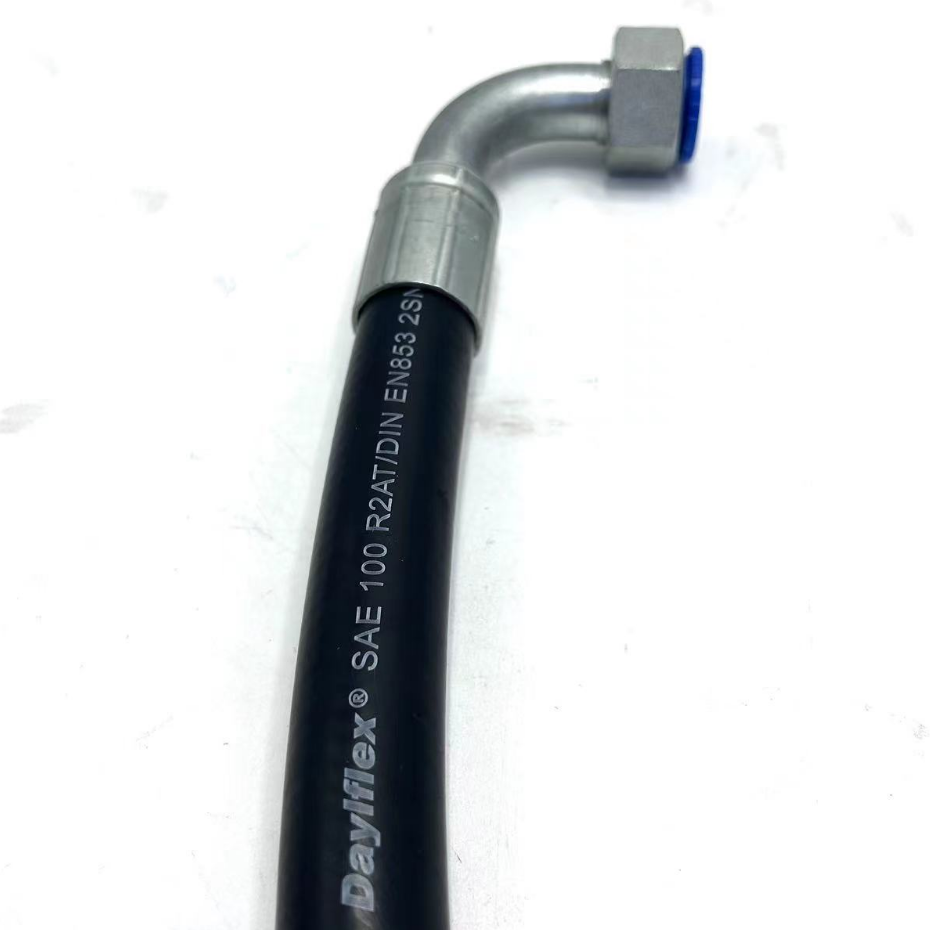
Hydraulic hoses manufactured in China represent a significant component in global fluid power systems, serving diverse industries including construction, agriculture, manufacturing, and mining. These hoses are engineered to transmit hydraulic fluid under substantial pressure, facilitating the operation of heavy machinery and critical industrial processes. The competitive landscape of Chinese manufacturers has driven both innovation and price competition. This guide provides an in-depth examination of hydraulic hose technology, covering material science, manufacturing processes, performance characteristics, failure modes, and relevant industry standards. A key industry pain point is maintaining consistent quality and meeting stringent international safety and performance benchmarks, particularly regarding burst pressure, impulse resistance, and fluid compatibility. The core performance attributes of these hoses revolve around their ability to reliably handle high pressures, resist abrasion and chemical attack, and maintain flexibility across a wide temperature range. Proper selection and maintenance are crucial to prevent catastrophic failures and ensure operational efficiency.
Material Science & Manufacturing
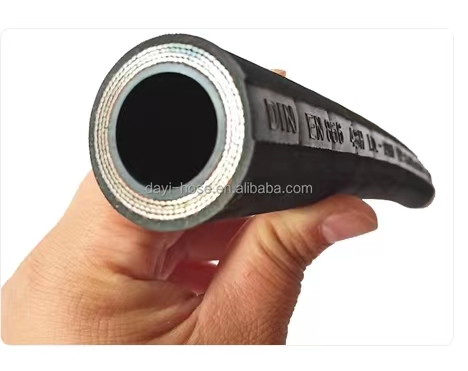
The construction of hydraulic hoses relies on a multi-layered approach utilizing distinct materials optimized for specific functions. The inner tube, which directly contacts the hydraulic fluid, is typically composed of synthetic rubbers like nitrile (NBR), ethylene propylene diene monomer (EPDM), or fluorocarbon (FKM/Viton). NBR offers excellent resistance to petroleum-based fluids, EPDM excels in phosphate ester fluids and high-temperature applications, and FKM provides superior chemical resistance and temperature tolerance. Reinforcement layers provide the hose’s strength and pressure-withstanding capabilities. These layers commonly consist of high-tensile steel wire (single or multiple braids), textile cords (e.g., polyester, aramid), or a combination thereof. The outer cover, providing abrasion, ozone, and weather protection, utilizes synthetic rubbers like chloroprene (CR) or polyurethane (PU). Manufacturing involves several critical steps: inner tube extrusion, reinforcement layering (braiding or spiraling), outer cover extrusion, and final curing. Precise control of extrusion temperatures, braiding tension, and curing time are paramount. For steel-wire reinforced hoses, the wire undergoes surface treatment (e.g., galvanization) to enhance adhesion and corrosion resistance. Quality control includes burst pressure testing, impulse testing, dimensional checks, and visual inspection for defects. Chemical compatibility is carefully verified through immersion testing to prevent swelling, cracking, or degradation of the inner tube material.
Performance & Engineering
Hydraulic hose performance is dictated by several key engineering parameters. Burst pressure, the maximum pressure a hose can withstand before rupture, is a fundamental specification, often exceeding the system’s operating pressure by a safety factor (typically 4:1). Impulse pressure resistance refers to the hose’s ability to withstand cyclical pressure fluctuations without fatigue failure. This is critical in applications with pulsating loads, such as hydraulic hammers or pumps. Tensile strength measures the force required to break the hose, reflecting its resistance to pulling forces. Elongation at break indicates the hose’s ductility and ability to deform before fracturing. Flexibility (bend radius) determines the hose’s ability to navigate tight corners without kinking or restricting fluid flow. Environmental resistance encompasses factors like ozone exposure, UV radiation, and chemical exposure. Force analysis during hose design involves calculating hoop stress (stress in the circumferential direction) and longitudinal stress (stress along the hose’s length) under pressure. Finite element analysis (FEA) is increasingly used to optimize hose geometry and reinforcement configurations. Compliance with industry standards (SAE J517, DIN EN 853, ISO 6897) is essential for ensuring safety and interchangeability.
Technical Specifications
| Parameter | Unit | SAE 100R1 AT | SAE 100R2 AT |
|---|---|---|---|
| Working Pressure | MPa | 20.7 | 34.5 |
| Burst Pressure | MPa | 82.7 | 138.0 |
| Temperature Range | °C | -40 to +100 | -40 to +121 |
| Inner Tube | Material | NBR | NBR |
| Reinforcement | Material | Single Textile Braid | Double Steel Wire Braid |
| Outer Cover | Material | CR | CR |
Failure Mode & Maintenance
Hydraulic hose failures can stem from various mechanisms. Fatigue cracking, induced by cyclical pressure and bending, is a common cause, particularly in high-impulse applications. Abrasion, resulting from contact with abrasive surfaces, can wear through the outer cover and reinforcement. Chemical attack from incompatible fluids can degrade the inner tube, leading to leaks or bursts. Kinking, caused by excessive bending, restricts fluid flow and can damage the reinforcement. Impact damage from external forces can cause localized failures. Ageing, due to exposure to heat, ozone, and UV radiation, can embrittle the rubber compounds. Proper maintenance is critical to prevent failures. Regular visual inspections should identify signs of abrasion, cracking, swelling, or leaks. Hoses should be replaced if they exhibit any signs of damage or deterioration. Correct hose routing is essential to avoid kinking and abrasion. Using appropriate fittings and ensuring proper crimping are crucial for preventing leaks. Fluid contamination should be minimized through filtration. A preventative maintenance schedule should be established based on operating conditions and manufacturer recommendations. Failure analysis often involves fractography (examining the fracture surface) to determine the root cause of the failure.
Industry FAQ
Q: What are the key differences between single-wire and two-wire hydraulic hoses, and when should each be used?
A: Single-wire braid hoses offer good flexibility and are suitable for lower-pressure applications (typically up to 20 MPa). They are less expensive but have lower impulse resistance. Two-wire braid hoses provide significantly higher pressure ratings (up to 35 MPa or higher) and superior impulse resistance, making them ideal for demanding applications like heavy equipment and hydraulic presses. They are less flexible than single-wire hoses.
Q: How does temperature affect hydraulic hose performance and lifespan?
A: Elevated temperatures accelerate the degradation of rubber compounds, reducing the hose's flexibility and increasing the risk of cracking. Low temperatures can make the hose brittle and more susceptible to damage. It is crucial to select a hose with a temperature range that matches the application's operating conditions. Synthetic rubbers like FKM are preferred for high-temperature applications.
Q: What are the common causes of hydraulic hose leaks, and how can they be prevented?
A: Common causes include improper crimping of fittings, damaged or worn seals, cracks in the hose body, and chemical incompatibility. Prevention involves using properly crimped fittings, regularly inspecting hoses for damage, selecting compatible hose materials, and maintaining clean hydraulic fluid.
Q: What is the importance of impulse pressure resistance in hydraulic hose selection?
A: Impulse pressure resistance is critical in systems with pulsating flows, such as those found in hydraulic hammers or pumps. Without adequate impulse resistance, the hose can experience fatigue failure due to repeated pressure surges, leading to catastrophic failure.
Q: How do different hydraulic fluids impact hose material selection?
A: Different hydraulic fluids have varying chemical compositions that can interact with hose materials. Petroleum-based fluids are compatible with NBR, while phosphate ester fluids require EPDM. Fluorocarbon fluids necessitate the use of FKM/Viton. Using an incompatible fluid can lead to swelling, cracking, or degradation of the inner tube.
Conclusion
The selection and implementation of hydraulic hoses are critical engineering considerations. Understanding the nuanced interplay between material science, manufacturing techniques, and operational conditions is essential for ensuring system reliability and preventing costly failures. Chinese hydraulic hose manufacturers have significantly advanced their capabilities, offering a range of products that meet global standards, but diligent quality control and adherence to international regulations remain paramount.
Moving forward, advancements in hose technology will likely focus on developing lighter-weight materials, enhancing impulse resistance, and improving chemical compatibility. The integration of smart hose technologies, incorporating sensors to monitor pressure, temperature, and leak detection, is also anticipated. Continued investment in research and development will further solidify the position of Chinese manufacturers in the global hydraulic hose market.