
Apr . 01, 2024 17:55 Back to list
china hydraulic hose manufacturer manufacturer Performance Analysis
Introduction
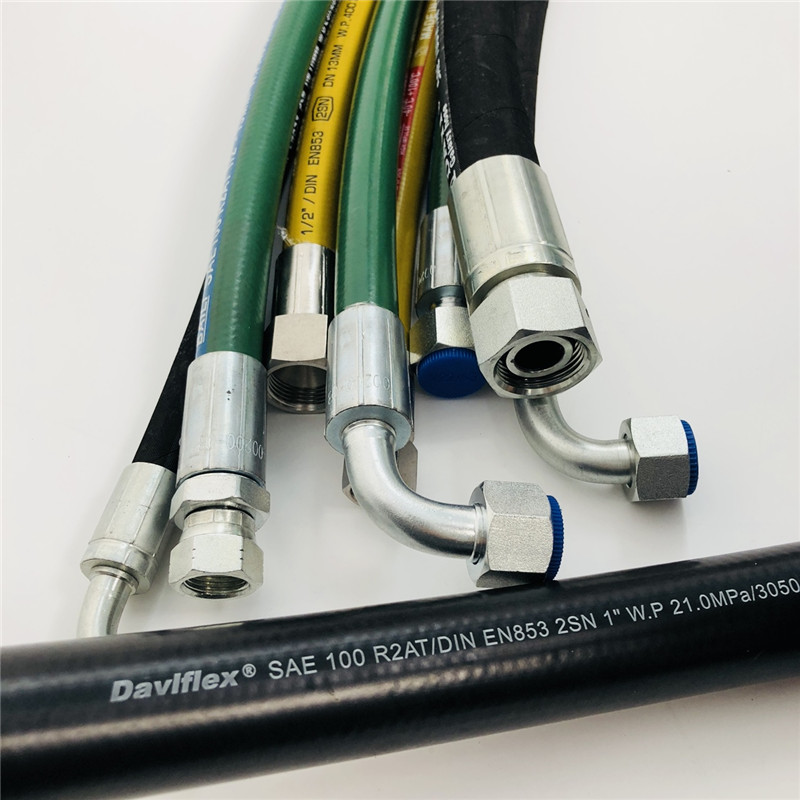
Hydraulic hose, manufactured extensively in China, represents a critical component in fluid power systems across diverse industrial applications. These hoses are engineered to convey pressurized hydraulic fluid, enabling the transmission of power for machinery operation. Their technical position within the industrial chain resides between the hydraulic pump/reservoir and the actuator (cylinder, motor), demanding high reliability and performance to avoid system failure. Core performance characteristics include pressure rating, burst pressure, temperature resistance, fluid compatibility, and abrasion resistance. Modern hydraulic hose construction utilizes multi-layered designs integrating reinforcing braids or spirals, rubber compounds optimized for specific fluids, and protective outer coverings. This guide provides an in-depth examination of Chinese-manufactured hydraulic hoses, covering material science, manufacturing processes, performance analysis, failure modes, and industry standards. The current global market is driven by demand from construction, agriculture, mining, manufacturing, and increasingly, renewable energy sectors. A key pain point in the industry is ensuring consistent quality control across varying manufacturers and adherence to international safety regulations.
Material Science & Manufacturing
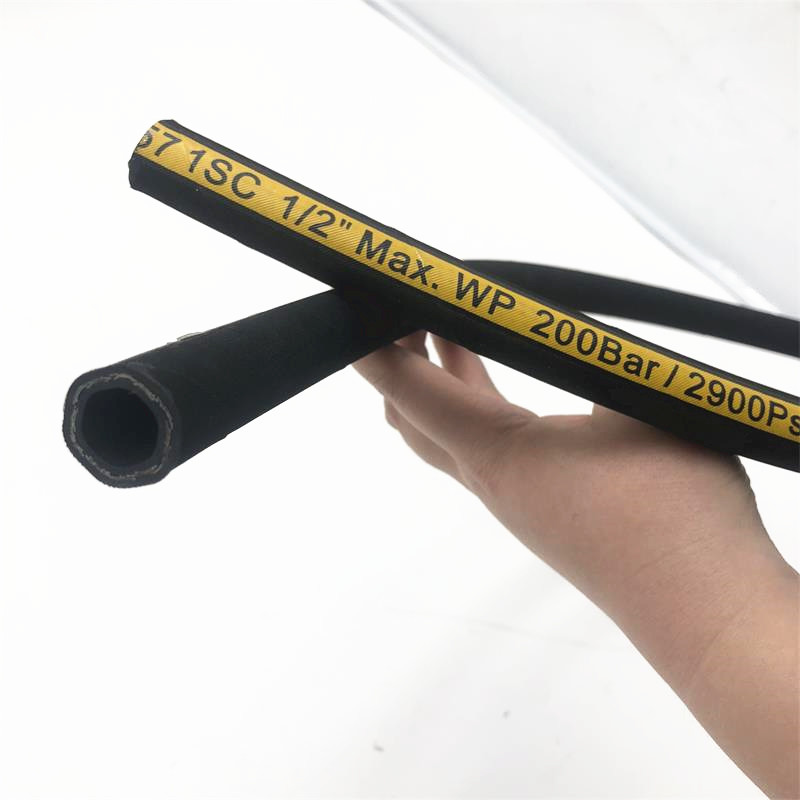
The core materials in hydraulic hose manufacturing dictate performance and longevity. The tube layer, in direct contact with the fluid, typically utilizes nitrile rubber (NBR) for petroleum-based hydraulic fluids, offering excellent oil resistance. For phosphate ester fluids, specialized polymers like fluorocarbon (FKM/Viton) are necessary due to NBR’s incompatibility. The reinforcement layer commonly employs high-tensile steel wire, either braided (2-wire, 4-wire, 6-wire) or spiraled (single or multiple spiral layers). Steel wire is selected for its strength and resistance to fatigue. A synthetic rubber cover, often a blend of ethylene propylene diene monomer (EPDM) or chloroprene rubber (CR/Neoprene), provides abrasion resistance, weather protection, and resistance to ozone degradation. Manufacturing processes vary depending on hose type. Braided hoses are created by interlacing steel wire helically around a central mandrel, followed by vulcanization to bond the layers. Spiral hoses involve winding pre-formed steel wire helices around the mandrel, followed by extrusion of the inner tube and cover, and final vulcanization. Key parameter control during manufacturing includes precise wire tension during braiding/spiraling, accurate rubber compound mixing and dispensing, consistent vulcanization temperature and time (critical for achieving optimal rubber properties like hardness and tensile strength), and rigorous dimensional checks. Improper vulcanization leads to undercured or overcured rubber, impacting flexibility and resistance to degradation. Quality control involves burst pressure testing, impulse testing (simulating hydraulic pulses), and fluid compatibility testing to verify performance against specifications.
Performance & Engineering
Hydraulic hose performance is governed by several engineering principles. Pressure rating is determined by the tensile strength of the reinforcement layer and the tube’s ability to withstand internal pressure. Burst pressure is significantly higher than working pressure, providing a safety factor. Hose deflection under pressure is a critical consideration, impacting system efficiency and potentially leading to fatigue failure. Force analysis involves calculating hoop stress in the tube and axial stress in the reinforcement. Environmental resistance is paramount, particularly in outdoor applications. Exposure to UV radiation, temperature extremes, and corrosive substances necessitates the use of appropriate rubber compounds and protective coverings. Compliance requirements are extensive, driven by regulatory bodies like SAE International (SAE J517, SAE J518), and EN standards (EN 853, EN 857). These standards define hose construction, performance testing, and marking requirements. Functional implementation requires careful hose routing to avoid kinking, abrasion, and excessive bending. Proper fitting selection is crucial; incompatible fittings can lead to leaks or hose failure. The selection of the correct hose assembly is based on working pressure, fluid type, temperature range, and application environment. Long-term performance is also impacted by fluid velocity – excessive velocity increases pressure drop and can accelerate internal wear.
Technical Specifications
| Parameter | Unit | SAE 100R2AT | EN 853 2SN |
|---|---|---|---|
| Working Pressure | MPa | 31.5 | 20 |
| Burst Pressure | MPa | 105 | 80 |
| Temperature Range | °C | -40 to +100 | -40 to +85 |
| Reinforcement Type | - | Two Steel Wire Braids | Two Steel Wire Braids |
| Tube Material | - | Nitrile Rubber (NBR) | Nitrile Rubber (NBR) |
| Cover Material | - | Synthetic Rubber (EPDM) | Synthetic Rubber (EPDM) |
Failure Mode & Maintenance
Hydraulic hose failure can occur through several mechanisms. Fatigue cracking, initiated by repeated flexing and pressure cycling, is a common mode, particularly in areas of high stress concentration (near fittings). Delamination, the separation of layers, can result from improper bonding during manufacturing or degradation of the adhesive. External abrasion, caused by contact with abrasive surfaces, damages the cover, exposing the reinforcement to corrosion. Internal abrasion, due to fluid contamination or high fluid velocity, wears the tube. Oxidation and degradation of the rubber compounds occur over time due to exposure to oxygen, ozone, and heat. Chemical attack from incompatible fluids weakens the rubber. Fitting failures, such as corrosion or loosening, can lead to leaks and hose rupture. Maintenance involves regular visual inspection for signs of damage (cracks, abrasions, leaks). Pressure testing can identify weakened hoses. Proper fluid filtration is crucial to minimize internal abrasion. Hose routing should be optimized to avoid kinking and abrasion. Regularly check fitting tightness. Replacement is recommended based on manufacturer’s guidelines or if any signs of damage are detected. Proper storage of hoses is essential; avoid direct sunlight, extreme temperatures, and contact with corrosive substances. Following recommended torque specifications during fitting installation prevents over-tightening or under-tightening, both of which can lead to failure.
Industry FAQ
Q: What is the significance of the ‘dash size’ in hydraulic hose nomenclature?
A: The ‘dash size’ (e.g., -6, -8, -10) refers to the internal diameter of the hose in sixteenths of an inch. A -8 hose has an internal diameter of 8/16 or 1/2 inch. This is critical for maintaining proper flow rates and minimizing pressure drop within the hydraulic system. Selecting the incorrect dash size can lead to system inefficiency or damage.
Q: How does temperature affect hydraulic hose performance?
A: Temperature extremes significantly impact hose performance. High temperatures can cause rubber compounds to degrade and lose elasticity, reducing pressure rating and increasing the risk of failure. Low temperatures can decrease flexibility, making hoses more susceptible to cracking. Always select a hose with a temperature range compatible with the operating environment.
Q: What are the key differences between braided and spiral hoses?
A: Braided hoses offer excellent flexibility and are suitable for applications with tight bends. Spiral hoses provide higher pressure ratings and are better suited for demanding applications where rigidity is acceptable. Spiral construction also generally offers better kink resistance.
Q: What is the role of fitting material in hydraulic hose assemblies?
A: Fitting material must be compatible with both the hose and the hydraulic fluid. Common materials include carbon steel, stainless steel, and brass. Carbon steel is generally used for standard applications, while stainless steel is preferred for corrosive environments. The fitting must also be properly crimped onto the hose to ensure a leak-proof seal.
Q: How do I determine the correct working pressure for a hydraulic hose?
A: The working pressure should be determined by the highest pressure expected in the system, including pressure spikes and surges. Always select a hose with a working pressure significantly higher than the maximum system pressure to provide a safety margin. Consider a safety factor of 4:1 is a general rule of thumb.
Conclusion
China’s hydraulic hose manufacturing sector has emerged as a significant global player, driven by competitive pricing and increasing quality standards. Understanding the underlying material science, manufacturing processes, and engineering principles governing hose performance is crucial for ensuring reliable and safe operation of hydraulic systems. Selecting the appropriate hose for a specific application requires careful consideration of working pressure, fluid compatibility, temperature range, and environmental factors.
Future trends in hydraulic hose technology include the development of lightweight, high-strength materials, improved abrasion resistance, and smart hoses with integrated sensors for condition monitoring. Adhering to international standards and implementing rigorous quality control measures are essential for maintaining the integrity and longevity of hydraulic hose assemblies. Consistent evaluation and improvement of manufacturing processes will be vital for continued growth and competitiveness within the industry.