
Apr . 01, 2024 17:55 Back to list
china hydraulic hose manufacturer factory Performance Analysis
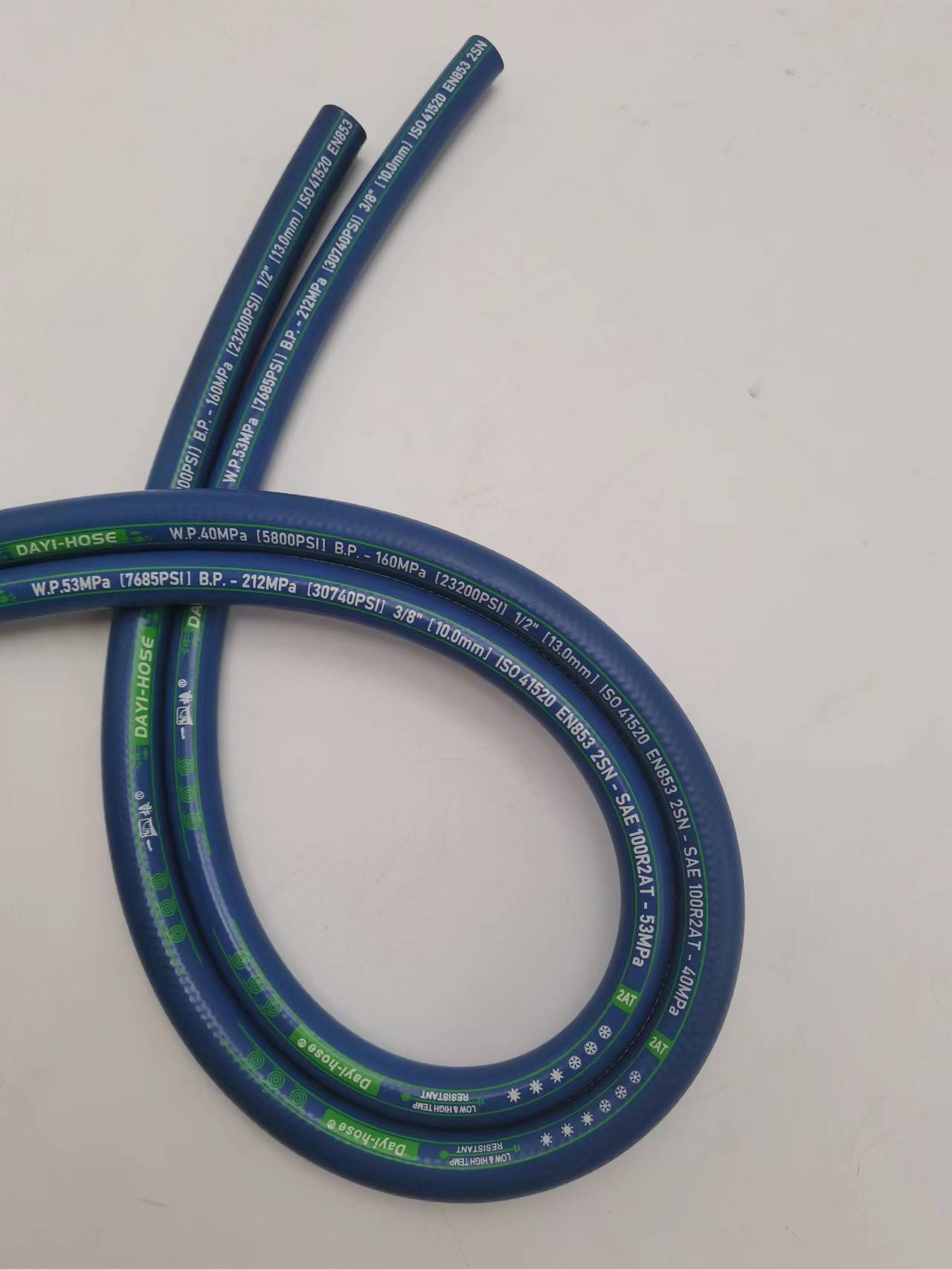
Introduction
Hydraulic hoses, manufactured extensively in China, are critical components in fluid power systems across a diverse range of industries, including construction, agriculture, manufacturing, and automotive. These hoses transmit pressurized hydraulic fluid to actuators and other components, enabling the operation of heavy machinery. The Chinese manufacturing sector has become a dominant force in hydraulic hose production due to its capacity for large-scale production, competitive pricing, and increasingly stringent quality control measures. A crucial understanding of material composition, manufacturing processes, performance characteristics, and potential failure modes is paramount for selecting and implementing hydraulic hoses effectively. This guide provides an in-depth technical analysis of hydraulic hoses originating from Chinese manufacturers, focusing on performance, standards compliance, and operational longevity. The core performance attributes center around pressure capacity, temperature resistance, fluid compatibility, and resistance to abrasion and fatigue. Improper hose selection or maintenance can lead to catastrophic system failures, highlighting the importance of technical proficiency in this area.
Material Science & Manufacturing
Hydraulic hoses are typically constructed from multiple layers, each serving a specific function. The innermost layer, the tube, is generally made from synthetic rubbers such as nitrile rubber (NBR), chloroprene rubber (CR, also known as Neoprene), or ethylene propylene diene monomer (EPDM) rubber, selected based on fluid compatibility. NBR offers excellent resistance to petroleum-based fluids, CR provides resistance to ozone and weathering, and EPDM is ideal for phosphate ester fluids. The reinforcement layer, crucial for pressure resistance, commonly consists of multiple braids or spirals of high-tensile steel wire. The number of layers directly correlates to the hose’s working pressure capacity. A protective outer cover, typically made of synthetic rubber like polyurethane or a blended rubber compound, provides abrasion, ozone, and UV resistance. Manufacturing processes vary depending on hose type and complexity. Braided hoses are created by interlacing steel wires over a mandrel, followed by vulcanization. Spiral hoses employ a single continuous steel wire wound around the mandrel. Injection molding is used for creating fittings that are then bonded or crimped onto the hose. Critical parameters in manufacturing include precise control of rubber compound formulation (durometer, tensile strength, elongation at break), wire gauge and lay angle, vulcanization temperature and time, and the accuracy of fitting crimping. Inconsistent parameter control leads to decreased burst pressure, premature wear, and potential fluid leaks. The Chinese manufacturing landscape increasingly incorporates automated quality control systems, including non-destructive testing methods like ultrasonic flaw detection, to ensure consistent product quality.

Performance & Engineering
The performance of a hydraulic hose is governed by several engineering principles. Hose pressure ratings are determined through burst pressure testing, typically to four times the working pressure. Fatigue life is assessed through cyclical pressure testing, simulating real-world operating conditions. Tensile strength and elongation are crucial for withstanding mechanical stresses during bending and flexing. Environmental resistance, including temperature fluctuations, UV exposure, and chemical exposure, impacts the hose’s longevity. Force analysis during hose routing is critical to prevent kinking, twisting, and excessive bending, which can lead to premature failure. Compliance requirements are dictated by industry standards (detailed in the footer). For example, the SAE J517 standard specifies performance requirements for non-reinforced and reinforced hydraulic hoses. Selecting the correct hose for a given application involves considering the working pressure, fluid type, operating temperature, and environmental conditions. Improper hose routing, exceeding pressure limits, or using incompatible fluids can lead to catastrophic failure. Chinese manufacturers are increasingly focused on adhering to international standards and offering customized hose solutions tailored to specific application requirements. This includes specialized hoses with enhanced abrasion resistance for mining applications or high-temperature hoses for engine compartments.
Technical Specifications
| Parameter | SAE 100R1AT | SAE 100R2AT | DIN EN 853 1SN | DIN EN 857 2SN |
|---|---|---|---|---|
| Working Pressure (PSI) | 1000 | 2000 | 1500 | 3000 |
| Burst Pressure (PSI) | 3000 | 6000 | 4500 | 9000 |
| Temperature Range (°F) | -40 to 212 | -40 to 212 | -40 to 212 | -40 to 212 |
| Tube Material | NBR | NBR | NBR | NBR |
| Reinforcement | Single Steel Wire Braid | Dual Steel Wire Braid | Single Steel Wire Spiral | Dual Steel Wire Spiral |
| Cover Material | Synthetic Rubber | Synthetic Rubber | Synthetic Rubber | Synthetic Rubber |
Failure Mode & Maintenance
Hydraulic hose failure can manifest in several ways. Fatigue cracking, initiated by repeated flexing and pressure cycling, is a common failure mode, particularly near the fittings. Abrasion from contact with abrasive surfaces or rubbing against other components can wear through the outer cover and expose the reinforcement layer. Chemical degradation occurs when the hose material is exposed to incompatible fluids, causing swelling, softening, or cracking. Excessive heat can degrade the rubber compounds, reducing their elasticity and strength. Improper installation, such as over-tightening or under-tightening crimp connections, can lead to premature failure. Internal corrosion, though less frequent, can occur if moisture contaminates the hydraulic fluid. Regular inspection is crucial for identifying potential problems before they escalate. Inspections should include visual checks for cracks, abrasions, and leaks, as well as feeling for soft spots or bulges. Hose routing should be regularly assessed to ensure there is no rubbing or kinking. Fluid cleanliness is paramount; filtration systems should be maintained to remove contaminants. Hoses should be replaced at recommended intervals or when signs of damage are detected. Correct torque specifications must be followed when installing fittings. Chinese manufacturers often provide detailed maintenance guidelines specific to their products, which should be adhered to for optimal performance and longevity.
Industry FAQ
Q: What is the difference between a braided hose and a spiral hose, and when should each be used?
A: Braided hoses utilize multiple layers of interwoven steel wire, providing excellent flexibility and resistance to kinking. They are well-suited for applications requiring frequent bending and tight routing. Spiral hoses, on the other hand, employ a single continuous steel wire wound in a spiral pattern. They offer higher pressure ratings and superior resistance to fatigue, making them ideal for high-pressure, high-impulse applications like hydrostatic transmissions or heavy-duty construction equipment. The choice depends on the specific pressure, temperature, and routing requirements of the system.
Q: How important is fluid compatibility when selecting a hydraulic hose?
A: Fluid compatibility is paramount. Using a hose with incompatible fluid can lead to rapid degradation of the tube material, causing swelling, softening, or cracking. This results in leaks and potential system failure. It's crucial to consult compatibility charts provided by the hose manufacturer to ensure the hose material (NBR, CR, EPDM, etc.) is suitable for the specific hydraulic fluid being used. Incorrect fluid choice negates all other performance characteristics.
Q: What are the common causes of hose fitting failure?
A: Common causes include improper crimping (over-tightening or under-tightening), corrosion of the fitting material, and damage during installation. Over-tightening can crush the hose reinforcement, while under-tightening can lead to leaks. Corrosion can weaken the fitting, making it susceptible to failure. Careful installation, using the correct crimping tools and torque specifications, and selecting corrosion-resistant fitting materials are essential.
Q: How do I determine the appropriate working pressure for a hydraulic hose?
A: The working pressure should be determined by considering the maximum system pressure, plus a safety factor. A typical safety factor is 4:1, meaning the hose's burst pressure should be at least four times the system's operating pressure. It’s also important to consider pressure spikes or surges, which can exceed the normal operating pressure and potentially damage the hose.
Q: What is the role of hose guards in protecting hydraulic hoses?
A: Hose guards provide physical protection against abrasion, cutting, and impact damage. They are particularly important in applications where hoses are exposed to harsh environments or potential hazards. They can significantly extend the lifespan of the hose and prevent premature failure, reducing downtime and maintenance costs.
Conclusion
Hydraulic hoses from Chinese manufacturers represent a significant portion of the global market, offering a balance of performance, cost-effectiveness, and increasing quality. A comprehensive understanding of material science, manufacturing processes, and performance characteristics is crucial for ensuring reliable operation and minimizing the risk of failure. Proper hose selection, based on system pressure, fluid compatibility, and environmental conditions, is paramount.
Furthermore, consistent adherence to recommended maintenance practices, including regular inspection, fluid cleanliness control, and proper installation techniques, is essential for maximizing hose lifespan and preventing catastrophic failures. The continuous evolution of manufacturing standards and quality control procedures within the Chinese industry promises even greater reliability and performance in the future, solidifying their position as a key supplier to the global hydraulic systems market.