
Apr . 01, 2024 17:55 Back to list
china hydraulic hose fittings Performance Analysis

Introduction
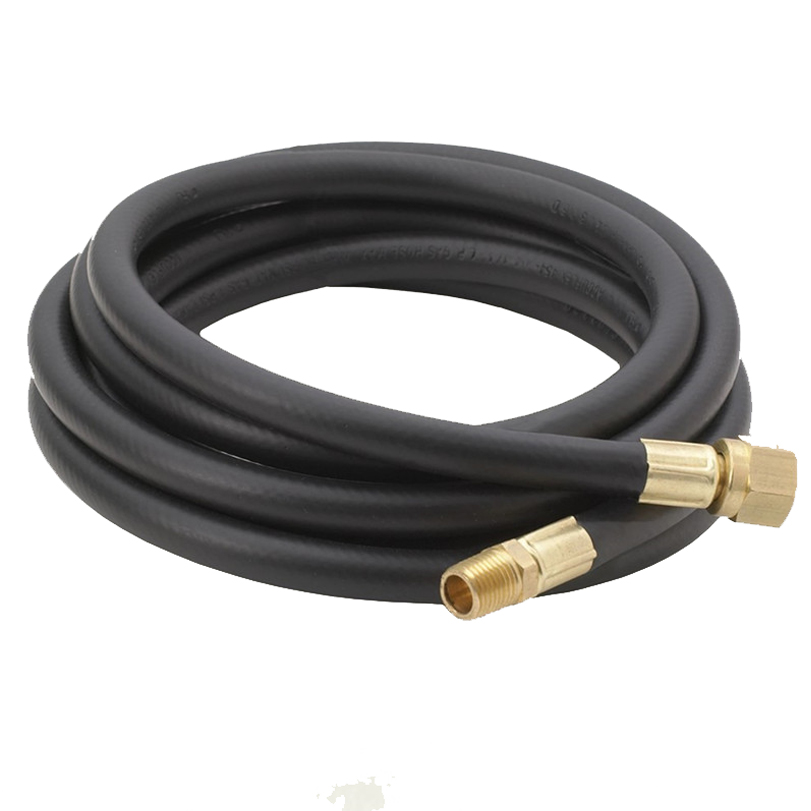
China hydraulic hose fittings are critical components within fluid power systems, serving as the interface between flexible hoses and the hydraulic machinery they serve. These fittings, commonly manufactured from carbon steel, alloy steel, and stainless steel, are designed to withstand high pressures and varying temperatures while ensuring a leak-proof connection. The industry faces ongoing challenges regarding material consistency, adherence to international quality standards, and the increasing demand for specialized fittings for emerging applications like electric hydraulics. The competitive landscape is characterized by a large number of manufacturers, leading to price pressure and a heightened need for demonstrable technical competence. This guide provides an in-depth examination of these fittings, covering material science, manufacturing processes, performance characteristics, failure modes, and relevant industry standards.
Material Science & Manufacturing
The foundational materials for hydraulic hose fittings dictate their performance characteristics. Carbon steel (SAE 1045, for example) offers cost-effectiveness and good tensile strength but is susceptible to corrosion. Alloy steels, incorporating elements like chromium and molybdenum, enhance strength and toughness, improving resistance to fatigue and wear. Stainless steel (304, 316) provides superior corrosion resistance, crucial for applications in harsh environments. Manufacturing typically involves several stages. First, raw material selection and quality control are paramount. Bar stock is often cold-drawn to achieve precise dimensions. The fitting body is then formed through processes like machining, forging, or die casting. Critical parameters include precise control of machining tolerances – particularly for threads – and heat treatment processes (hardening, tempering) to optimize material properties. Threading, a crucial step, requires meticulous attention to pitch diameter, taper, and surface finish to ensure proper sealing. Finally, surface treatments like zinc plating or passivation are applied to enhance corrosion resistance. Quality control at each stage involves dimensional inspection, hardness testing, and non-destructive testing (NDT) like magnetic particle inspection to detect surface cracks. The rubber hose connection utilizes crimping, where the fitting is permanently attached to the hose using a specialized crimping machine. Consistent crimp diameter and shape are critical for maintaining seal integrity.
Performance & Engineering
Hydraulic hose fitting performance is fundamentally governed by its ability to withstand internal pressure, external loads, and environmental factors. Force analysis focuses on stress concentration around the threaded areas and the crimp connection. Finite element analysis (FEA) is routinely employed to optimize fitting geometry and identify potential failure points. Burst pressure testing, conducted according to SAE J1926 standards, establishes the maximum pressure a fitting can endure before catastrophic failure. Tensile strength testing verifies the material's ability to resist pulling forces. Fatigue testing, simulating cyclic loading conditions, assesses the fitting’s resistance to fatigue cracking over time. Environmental resistance is evaluated through salt spray testing (ASTM B117) to assess corrosion resistance, and temperature cycling tests to determine performance limits in extreme temperatures. Compatibility with hydraulic fluids is also critical; fittings must not degrade or swell when exposed to common hydraulic fluids (mineral oil, synthetic fluids, phosphate ester fluids). Compliance requirements vary by region but generally adhere to SAE, DIN, and ISO standards. Special attention must be paid to the thread type (NPT, BSP, SAE J1926) and sealing method (O-ring, tapered thread sealant) to ensure compatibility within the overall hydraulic system.
Technical Specifications
| Parameter | Unit | SAE J514 (Carbon Steel) | DIN 3915 (Steel) |
|---|---|---|---|
| Working Pressure | MPa | Up to 35 | Up to 40 |
| Burst Pressure | MPa | 105 (3:1 safety factor) | 120 (3:1 safety factor) |
| Tensile Strength | MPa | >690 | >700 |
| Yield Strength | MPa | >345 | >360 |
| Temperature Range | °C | -40 to +100 | -30 to +120 |
| Thread Type | NPTF, SAE J1926 | BSP, DIN 3915 |
Failure Mode & Maintenance
Hydraulic hose fitting failures typically stem from several mechanisms. Fatigue cracking, particularly in high-cycle applications, originates from stress concentration around the threads or crimp area. Corrosion, especially in environments with moisture and salt exposure, weakens the fitting material, leading to pitting and eventual failure. Galling, caused by friction between mating threads, can damage the threads and compromise the seal. Improper installation – over-tightening or under-tightening – can induce stress and lead to leaks or failure. Erosion, from particulate contamination in the hydraulic fluid, can gradually wear away the sealing surfaces. Maintenance procedures should include regular visual inspection for cracks, corrosion, and leaks. Torque specifications should be strictly followed during installation, utilizing a calibrated torque wrench. Hydraulic fluid should be regularly filtered to remove contaminants. Fittings should be replaced at recommended intervals, especially in critical applications. If corrosion is detected, the fitting should be replaced immediately. Post-failure analysis, involving metallurgical examination of the fractured surface, is crucial to identify the root cause and prevent recurrence.
Industry FAQ
Q: What is the primary difference between NPT and BSP threads, and which is more commonly used in European markets?
A: NPT (National Pipe Taper) threads are straight threads with a 60-degree tapered root, requiring a tapered thread sealant for leak prevention. BSP (British Standard Pipe) threads come in parallel (BSPP) and tapered (BSPT) forms. BSPP threads require an O-ring or sealant for leak prevention, while BSPT are self-sealing due to the taper. BSP threads, particularly BSPP, are far more prevalent in European markets due to historical standardization.
Q: How does the choice of plating (zinc, nickel, etc.) affect the corrosion resistance of a steel fitting?
A: Zinc plating offers sacrificial corrosion protection – the zinc corrodes preferentially, protecting the underlying steel. Nickel plating provides a barrier layer, slowing down corrosion. The effectiveness depends on the coating thickness and quality. Stainless steel offers the highest corrosion resistance without relying on plating.
Q: What are the key considerations when selecting a fitting for use with phosphate ester hydraulic fluids?
A: Phosphate ester fluids are highly corrosive to many common materials. Fittings intended for use with these fluids must be constructed from materials specifically compatible, such as stainless steel (316 is preferred) or specialized alloy steels. Standard carbon steel fittings will rapidly degrade.
Q: What is the significance of the ‘dash size’ designation (e.g., -6, -8, -10) for hydraulic fittings?
A: The ‘dash size’ refers to the inner diameter of the hose in sixteenths of an inch. For example, a -6 fitting is designed for a hose with a 6/16 inch (3/8 inch) inner diameter. It's a crucial parameter for ensuring proper flow rate and system compatibility.
Q: How can I verify that a fitting has been properly crimped onto a hydraulic hose?
A: Visual inspection should confirm a uniform crimp shape and no visible damage to the hose or fitting. A calibrated crimp height gauge should be used to measure the crimp height and diameter, ensuring they fall within the hose manufacturer’s specifications. Leak testing under pressure is essential to confirm seal integrity.
Conclusion
China hydraulic hose fittings represent a critical, yet often underestimated, component in a vast array of industrial applications. Achieving reliable performance necessitates a deep understanding of material science, precise manufacturing control, and adherence to rigorous testing and quality assurance procedures. The growing demand for high-pressure systems, coupled with the emergence of new hydraulic fluids and demanding operating environments, continues to drive innovation in fitting design and manufacturing.
The future of hydraulic hose fitting technology will likely focus on enhanced materials, such as advanced stainless steel alloys and composite materials, to improve strength-to-weight ratios and corrosion resistance. Smart fittings, incorporating sensors for pressure and temperature monitoring, could enable predictive maintenance and enhance system safety. Furthermore, a continued emphasis on standardization and interoperability will be vital to streamline supply chains and reduce the risk of system failures.