
Apr . 01, 2024 17:55 Back to list
china hydraulic hose factory suppliers Performance Analysis
Introduction
Hydraulic hoses manufactured by Chinese suppliers represent a significant portion of the global market, catering to a diverse range of industries including construction, agriculture, mining, and manufacturing. These hoses are critical components in hydraulic systems, transmitting fluid power to actuators and machinery. The competitive landscape of China hydraulic hose factory suppliers is characterized by varying levels of technological sophistication, production capacity, and quality control. Understanding the materials, manufacturing processes, performance characteristics, and potential failure modes of these hoses is paramount for end-users seeking reliable and cost-effective solutions. This guide provides a detailed technical overview, addressing common concerns and providing insights into the quality and suitability of hydraulic hoses sourced from China. Core performance is dictated by pressure rating, temperature range, fluid compatibility, and abrasion resistance. The industry's primary pain point centers around consistent quality control and the accurate representation of specifications, often requiring rigorous third-party verification.
Material Science & Manufacturing
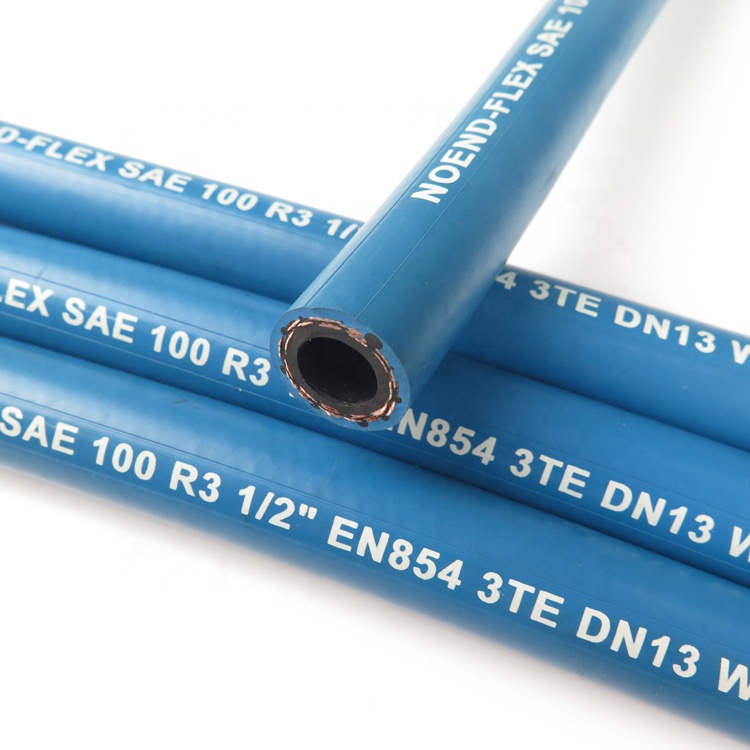
The construction of a hydraulic hose typically involves four key layers: the inner tube, reinforcement layers, and the outer cover. The inner tube, responsible for fluid containment, is commonly composed of nitrile rubber (NBR), polyethylene (PE), or fluoropolymers like PTFE and FKM, selected based on fluid compatibility. NBR exhibits good resistance to petroleum-based fluids but is susceptible to degradation by ozone and weathering. PTFE provides exceptional chemical resistance but is significantly more expensive. Reinforcement layers, crucial for withstanding high pressure, commonly utilize one or more braids of high-tensile steel wire. The number and configuration of these braids directly impact the hose's working pressure. Spiral-wound reinforcement using steel wire or textile fibers offers increased flexibility and burst pressure. The outer cover, providing protection against abrasion, weathering, and chemical exposure, is typically made of synthetic rubber compounds such as chloroprene (CR) or polyurethane (PU). Manufacturing processes include extrusion for the inner tube and outer cover, followed by braiding or spiral winding of the reinforcement layers. Critical parameters during extrusion include die temperature, screw speed, and polymer melt index. Braiding tension and helix angle are carefully controlled to ensure dimensional accuracy and structural integrity. Post-processing steps include curing (vulcanization) to achieve desired physical properties and dimensional stability. Improper curing can lead to reduced tensile strength and premature failure.
Performance & Engineering
Hydraulic hose performance is dictated by a complex interplay of factors. Burst pressure, working pressure, and impulse pressure ratings are critical specifications. Working pressure is typically rated as a percentage of the burst pressure, often 50% or 70%. Impulse pressure refers to the hose's ability to withstand pressure surges. Force analysis involves evaluating the tensile stress within the reinforcement layers under pressure. Hose elongation and contraction under pressure must also be considered, impacting system design. Environmental resistance is a key concern, particularly regarding temperature extremes, UV exposure, and chemical exposure. Hoses operating at elevated temperatures may experience reduced pressure ratings and accelerated degradation. Fluid compatibility is crucial; incompatible fluids can cause swelling, softening, or cracking of the inner tube. Compliance requirements vary depending on the application and region. SAE J517 and DIN EN 853 standards define performance requirements for hydraulic hoses. Fatigue life is assessed through cyclic pressure testing, determining the number of cycles to failure. Proper hose routing, avoiding sharp bends and abrasion points, is essential for maximizing service life. End fitting selection and crimping procedures are equally important, ensuring a leak-free and structurally sound connection.
Technical Specifications
| Parameter | Unit | SAE 100R1 AT | SAE 100R2 AT |
|---|---|---|---|
| Working Pressure | MPa | 10.5 | 18.6 |
| Burst Pressure | MPa | 31.5 | 55.2 |
| Temperature Range | °C | -40 to +100 | -40 to +121 |
| Inner Tube | Material | NBR | NBR |
| Reinforcement | Material | Single Steel Wire Braid | Two Steel Wire Braids |
| Outer Cover | Material | CR | CR |
Failure Mode & Maintenance
Hydraulic hose failure can occur through various mechanisms. Fatigue cracking, initiated by cyclic pressure loading, is a common failure mode. This often starts at the braid and propagates through the tube. Abrasion, caused by rubbing against adjacent components, can damage the outer cover, exposing the reinforcement layers to corrosion. Pinholes in the inner tube, resulting from chemical attack or manufacturing defects, lead to fluid leakage. Kinking and twisting can damage the reinforcement layers, reducing pressure capacity. Improper crimping of end fittings can result in leaks or separation of the hose from the fitting. Oxidation of the rubber compounds, accelerated by high temperatures and UV exposure, leads to embrittlement and cracking. Maintenance involves regular visual inspection for signs of damage, including cracks, abrasions, bulges, and leaks. Hose routing should be checked to ensure proper clearance and support. Pressure testing can identify leaks and weaknesses. Hoses should be replaced according to manufacturer recommendations or when damage is detected. Proper storage is also important; hoses should be stored in a cool, dry, and dark location to prevent degradation. Using appropriate guarding to prevent abrasion and impact damage is also a preventative measure.
Industry FAQ
Q: What is the typical lead time for custom hydraulic hose orders from China?
A: Lead times vary significantly depending on the complexity of the order, the quantity required, and the supplier's current production schedule. Generally, standard hose orders may have a lead time of 2-4 weeks. Custom hose configurations, particularly those requiring specialized materials or fittings, can take 6-12 weeks or longer. Confirming lead times with the supplier during the quotation process is crucial.
Q: How do Chinese hydraulic hose manufacturers ensure quality control?
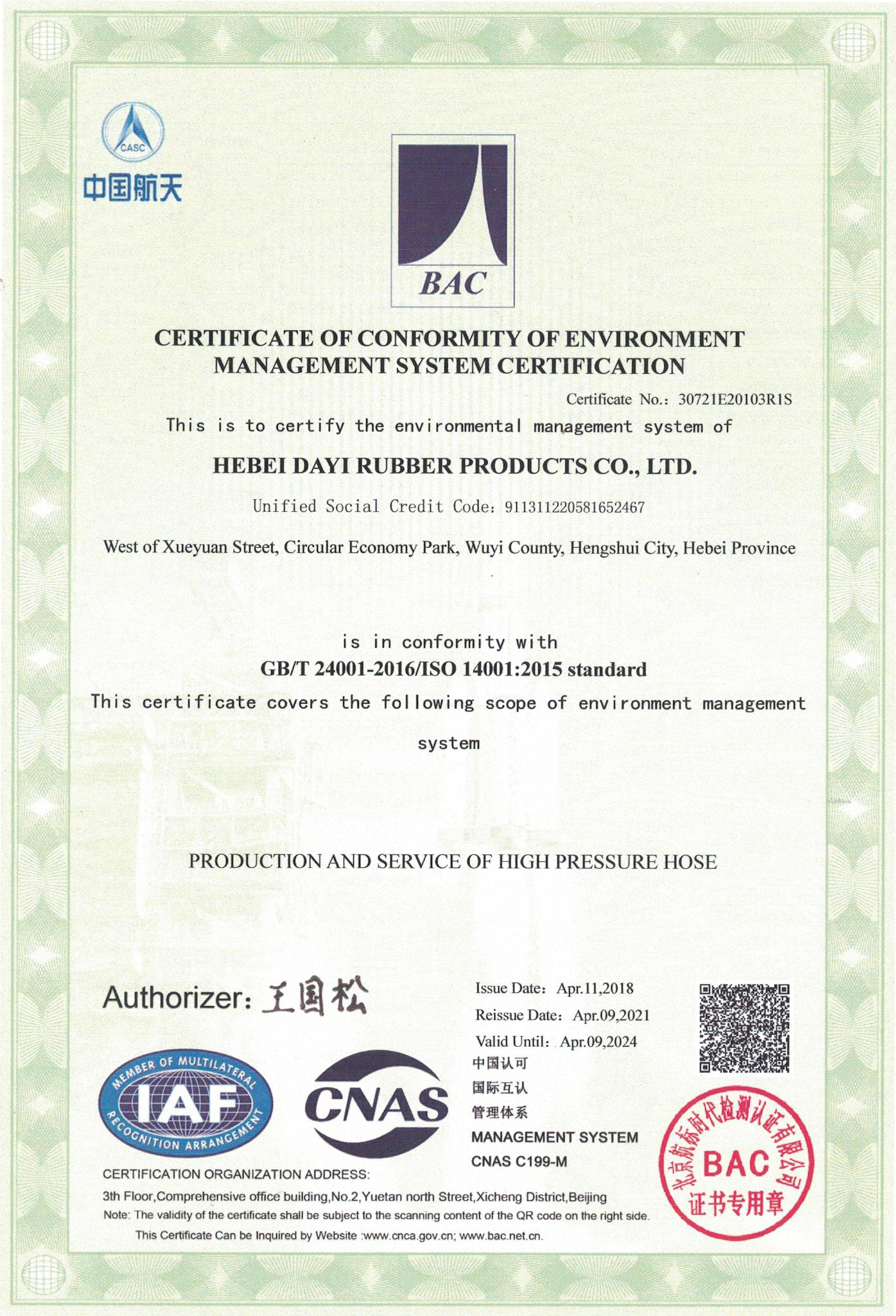
A: Quality control practices vary among manufacturers. Reputable suppliers typically implement ISO 9001 certified quality management systems. This includes raw material inspection, in-process monitoring, and final product testing. Pressure testing, impulse testing, and dimensional checks are common procedures. Third-party inspection services can provide independent verification of quality.
Q: What are the common challenges associated with sourcing hydraulic hoses from China?
A: Challenges include language barriers, potential discrepancies in specifications, and concerns about intellectual property protection. Ensuring accurate communication, providing detailed drawings and specifications, and establishing a clear quality control protocol are essential. Working with a reputable sourcing agent can mitigate these risks.
Q: What are the typical minimum order quantities (MOQs) for hydraulic hoses from Chinese suppliers?
A: MOQs vary widely depending on the hose type, size, and configuration. Standard hoses may have relatively low MOQs (e.g., 50-100 units), while custom hoses may require significantly higher quantities (e.g., 500-1000 units). Negotiating MOQs with the supplier is often possible.
Q: How can I verify the pressure rating of a hydraulic hose from a Chinese supplier?
A: Request a copy of the hose’s test report from the manufacturer, demonstrating compliance with relevant standards (e.g., SAE J517, DIN EN 853). Consider independent third-party testing to verify the reported pressure rating. Verify the manufacturer's quality certifications and audit reports.
Conclusion
Hydraulic hoses sourced from China offer a cost-effective solution for a wide range of applications. However, understanding the materials, manufacturing processes, and potential failure modes is critical for ensuring reliable performance. Careful attention to quality control, specification verification, and proper maintenance are essential. The variability in quality amongst Chinese suppliers necessitates due diligence in supplier selection, with a focus on those adhering to internationally recognized standards.
Ultimately, successful sourcing of hydraulic hoses from China requires a strategic approach, combining cost considerations with a commitment to technical rigor and quality assurance. Future trends indicate a growing emphasis on advanced materials and manufacturing techniques, leading to improved hose performance and durability. Collaborating with experienced sourcing partners and conducting thorough quality inspections will remain crucial for maximizing value and minimizing risks.