
Apr . 01, 2024 17:55 Back to list
china hydraulic hose factory supplier Hydraulic Hose Performance Analysis

Introduction
Hydraulic hoses, manufactured by suppliers such as china hydraulic hose factory supplier, are critical components in fluid power systems across a wide spectrum of industries including construction, agriculture, manufacturing, and automotive. These hoses are engineered to transmit hydraulic fluid under high pressure, facilitating the operation of hydraulic machinery. This technical guide provides an in-depth analysis of hydraulic hose construction, material science, performance characteristics, failure modes, and relevant industry standards. The core performance of a hydraulic hose is dictated by its pressure rating, temperature resistance, and resistance to chemical degradation, all factors influencing system reliability and safety. The increasing demand for higher operating pressures and more durable hoses necessitates a thorough understanding of the underlying principles governing their design and application. A key industry pain point lies in maintaining consistent quality and traceability from Chinese suppliers, alongside ensuring adherence to international safety standards.
Material Science & Manufacturing
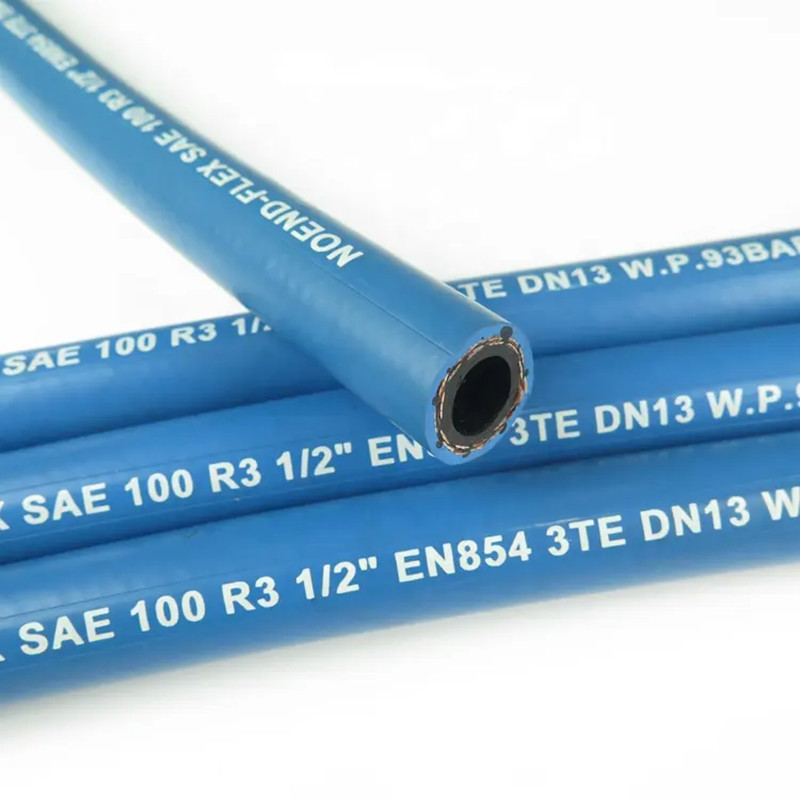
Hydraulic hoses are typically constructed from multiple layers, each contributing to specific performance characteristics. The inner tube, in direct contact with the hydraulic fluid, is commonly made from synthetic rubbers like nitrile (NBR), ethylene propylene diene monomer (EPDM), or fluorocarbon (FKM/Viton). NBR provides excellent resistance to petroleum-based fluids, while EPDM is suitable for phosphate ester fluids. FKM offers superior resistance to high temperatures and aggressive chemicals but comes at a higher cost. The reinforcement layer, providing the hose's pressure-bearing capacity, traditionally consists of multiple plies of high-strength steel wire braid. More modern constructions utilize spiral-wound steel wire or aramid fiber reinforcement for enhanced flexibility and weight reduction. The outer cover, protecting the hose from abrasion, ozone, and UV degradation, is typically composed of synthetic rubbers like chloroprene (CR) or polyurethane (PU). Manufacturing processes involve extrusion of the inner tube and outer cover, followed by the application of the reinforcement layer via a winding or braiding process. Critical parameters controlled during manufacturing include rubber compound formulation, wire diameter and pitch, cure time and temperature, and dimensional accuracy. Proper vulcanization is essential to achieve the desired mechanical properties and chemical resistance. Quality control procedures include hydrostatic pressure testing, impulse testing, and dimensional inspections to ensure compliance with specifications.
Performance & Engineering
The performance of a hydraulic hose is governed by several engineering principles. Burst pressure, working pressure, and safety factor are critical parameters. Working pressure is typically defined as 50-70% of the burst pressure. Force analysis focuses on hoop stress within the hose wall, determined by the internal fluid pressure and hose dimensions. Finite Element Analysis (FEA) is often employed to simulate stress distribution under various loading conditions, optimizing reinforcement layer configuration for maximum pressure resistance and minimizing weight. Environmental resistance is another crucial consideration. Exposure to extreme temperatures, UV radiation, and corrosive chemicals can degrade the hose materials, reducing their mechanical properties and lifespan. Selecting the appropriate rubber compounds and protective coatings is essential for specific application environments. Compliance requirements vary depending on the industry and region. For example, SAE J517 standardizes pressure ratings and performance characteristics for hydraulic hoses in North America. European standards (EN 853, EN 857) define similar requirements for European markets. Proper hose assembly, including the selection of compatible fittings and crimping procedures, is critical to ensure leak-free operation and prevent premature failure. Flexing fatigue is a significant concern in dynamic applications, requiring hoses with high flex impulse ratings and appropriate bend radii.
Technical Specifications
| Parameter | Unit | Typical Value (NBR Inner, Steel Wire Braid) | Typical Value (FKM Inner, Spiral Wire) |
|---|---|---|---|
| Working Pressure | MPa | 20 | 35 |
| Burst Pressure | MPa | 80 | 140 |
| Temperature Range | °C | -40 to +100 | -20 to +150 |
| Inner Tube Material | - | Nitrile Rubber (NBR) | Fluorocarbon (FKM/Viton) |
| Reinforcement | - | 2 Wire Braid | Spiral Steel Wire |
| Outer Cover Material | - | Chloroprene (CR) | Polyurethane (PU) |
Failure Mode & Maintenance
Hydraulic hose failures can occur due to several factors. Pinholes and cracks in the inner tube are often caused by chemical degradation or contamination of the hydraulic fluid. Wire breakage in the reinforcement layer is typically a result of fatigue caused by repeated bending or exposure to excessive pressure. Outer cover abrasion and cracking can lead to reinforcement corrosion and eventual hose failure. Common failure modes include burst, leakage, and kinking. Failure analysis involves examining the failed hose for evidence of the root cause, such as corrosion, fatigue striations, or chemical attack. Regular inspection is crucial for preventing failures. This includes visual inspection for signs of abrasion, cracking, or leakage, as well as performing pressure testing to verify hose integrity. Maintenance procedures include proper hose routing to avoid sharp bends and abrasion, using compatible fittings, and regularly replacing hoses based on their service life. Fluid contamination is a major contributor to hose failure; implementing a robust filtration system is essential. Crimping procedures must be carefully controlled to ensure a secure and leak-free connection between the hose and fittings. Proper storage of hoses is also important, protecting them from UV exposure and extreme temperatures.
Industry FAQ
Q: What are the key differences between braided and spiral-wound hydraulic hoses?
A: Braided hoses offer greater flexibility and are suitable for applications with tight bend radii. However, they have a lower pressure rating compared to spiral-wound hoses. Spiral-wound hoses provide higher pressure capacity and are more resistant to kinking but are less flexible and generally more expensive.
Q: How does hydraulic fluid temperature affect hose lifespan?
A: Elevated temperatures accelerate the degradation of rubber compounds, reducing their elasticity and tensile strength. Prolonged exposure to high temperatures can lead to premature hose failure. Selecting a hose with a temperature rating appropriate for the operating conditions is critical.
Q: What is the importance of proper hose fitting selection?
A: Using incompatible fittings can lead to leakage, hose blow-out, or damage to the hose end. Fittings must be specifically designed for the hose type and pressure rating. Compatibility includes material compatibility and thread type.
Q: What steps can be taken to prevent hose kinking?
A: Kinking occurs when the hose is bent beyond its minimum bend radius. Proper hose routing, avoiding sharp bends, and using hoses with a high bend radius are essential preventative measures. Spiral-wound hoses are generally more kink-resistant than braided hoses.
Q: How can I identify a hose that is nearing the end of its service life?
A: Signs of wear include cracking, abrasion, swelling, or discoloration of the hose material. Regular visual inspections and pressure testing can help identify hoses that require replacement. Maintaining records of hose installation dates and operating hours is also helpful.
Conclusion
Hydraulic hoses are critical components demanding careful selection, installation, and maintenance. Understanding the interplay between material science, manufacturing processes, and engineering principles is paramount for ensuring optimal performance and preventing catastrophic failures. The choice between different hose constructions – braided versus spiral wound, varying inner tube materials, and outer cover options – should be dictated by the specific application requirements, including pressure, temperature, fluid compatibility, and environmental conditions.
The growing emphasis on safety, reliability, and efficiency within hydraulic systems continues to drive innovation in hydraulic hose technology. Adherence to international standards such as SAE, EN, and ISO is not merely a compliance requirement but a cornerstone of responsible engineering practice. By prioritizing quality control, proper maintenance, and proactive failure analysis, operators can maximize the lifespan of hydraulic hoses and minimize the risk of costly downtime and potential safety hazards.