
Apr . 01, 2024 17:55 Back to list
china hydraulic hose factory Performance Analysis
Introduction
Hydraulic hoses manufactured in China are integral components in fluid power systems across diverse industries, including construction, agriculture, mining, and manufacturing. These hoses are engineered to transmit hydraulic fluid under high pressure, facilitating the operation of heavy machinery and equipment. The industry has experienced significant growth driven by increasing industrialization and infrastructure development globally, with Chinese manufacturers becoming prominent suppliers due to competitive pricing and expanding production capacity. This guide details the material science, manufacturing processes, performance characteristics, potential failure modes, and relevant industry standards pertaining to hydraulic hoses originating from China. Core performance relies on burst pressure, working pressure, and temperature range, all critical factors influencing operational safety and longevity. A key pain point within the industry is consistent quality control, particularly regarding material traceability and adherence to international standards.
Material Science & Manufacturing
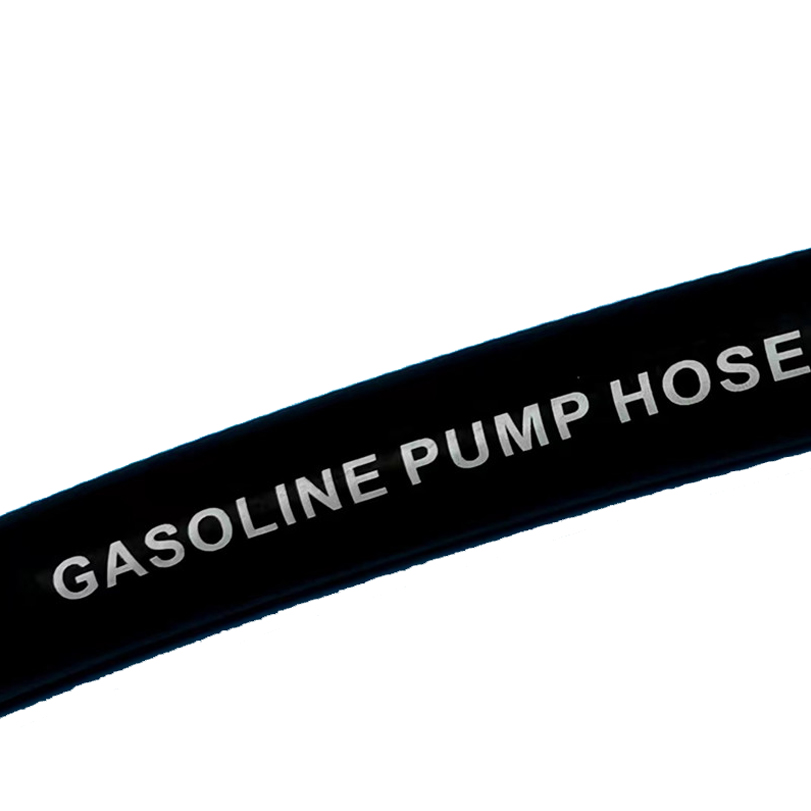
The primary material components of a hydraulic hose are the inner tube, reinforcement layers, and outer cover. Inner tubes are typically composed of synthetic rubbers such as nitrile (NBR), chloroprene (CR), or ethylene propylene diene monomer (EPDM), selected for their resistance to hydraulic fluids, abrasion, and temperature variations. NBR offers excellent oil resistance but limited high-temperature performance. CR provides superior weather resistance and moderate oil resistance. EPDM excels in high-temperature applications and is compatible with phosphate ester fluids. Reinforcement layers, crucial for withstanding high pressures, commonly utilize multiple braids or spirals of high-tensile steel wire. The number of layers directly correlates with the hose’s pressure rating. Outer covers are usually made of synthetic rubbers like CR or polyurethane (PU), providing protection against abrasion, weathering, and chemical exposure. PU covers exhibit exceptional abrasion resistance. Manufacturing processes include extrusion for the inner tube and outer cover, calendaring for reinforcement fabric coating, and braiding/spiraling for reinforcement layer application. Vulcanization, a critical step, cross-links the rubber polymers, enhancing their strength, elasticity, and resistance to degradation. Key parameter control during vulcanization involves precise temperature and time regulation to ensure optimal cross-linking density. Post-vulcanization, hoses undergo pressure testing to verify their burst strength and leak tightness. Material traceability, tracking raw material batches through the manufacturing process, is paramount for quality assurance.
Performance & Engineering
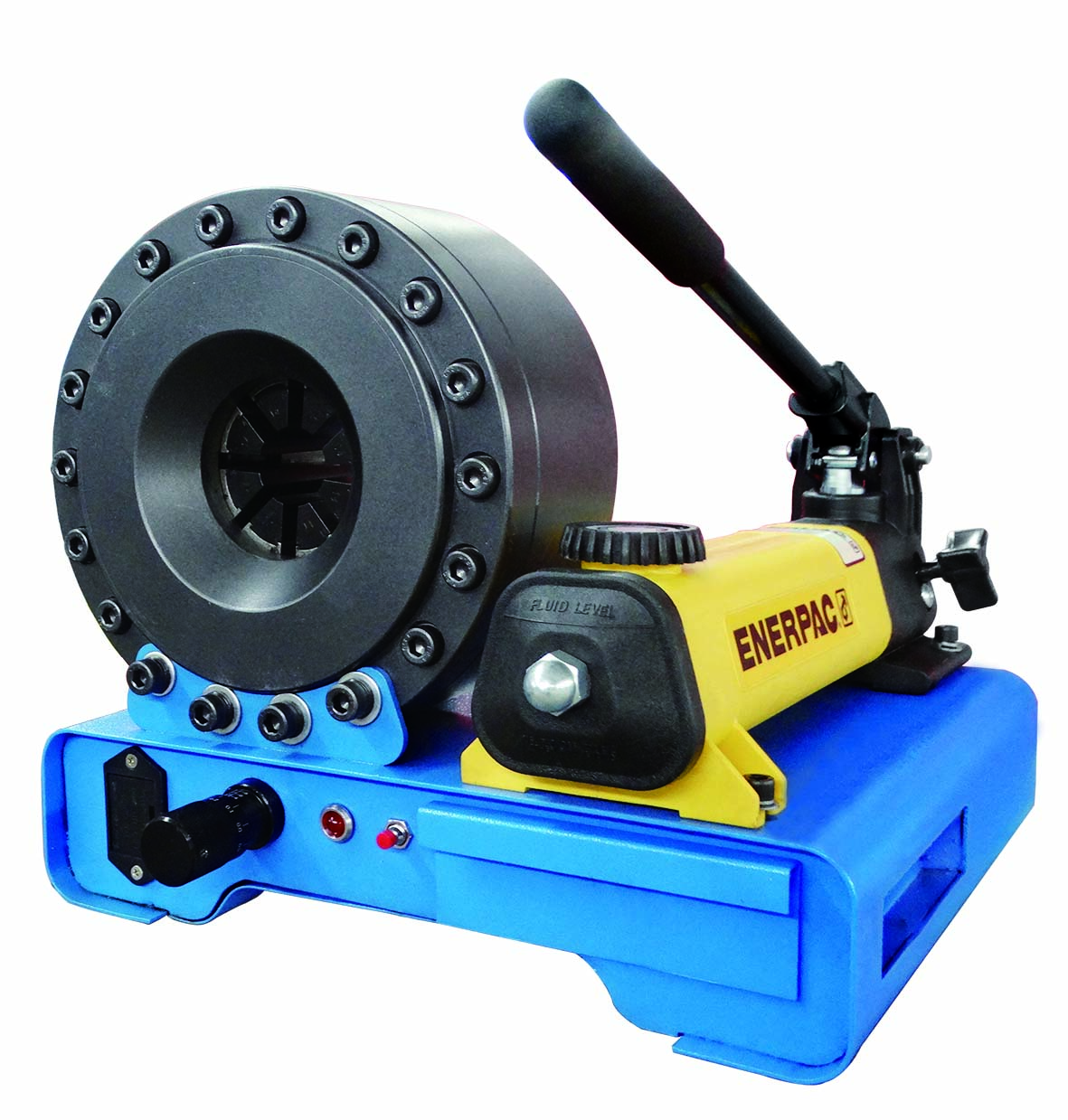
Hydraulic hose performance is fundamentally governed by pressure-temperature ratings and fluid compatibility. Force analysis focuses on hoop stress within the hose wall, directly proportional to internal pressure and inversely proportional to hose diameter. Reinforcement layers are engineered to manage these stresses, preventing burst failure. Finite element analysis (FEA) is frequently employed to model stress distribution under various loading conditions. Environmental resistance is critical, particularly in outdoor applications. Exposure to ultraviolet (UV) radiation, ozone, and temperature fluctuations can degrade the rubber compounds, reducing their flexibility and strength. PU covers offer enhanced UV resistance. Fluid compatibility is determined by the chemical interaction between the hydraulic fluid and the hose materials. Incompatible fluids can cause swelling, softening, or cracking of the inner tube, leading to leaks and premature failure. Compliance requirements are stringent, dictated by international standards (detailed in the footer). These standards specify minimum performance criteria for burst pressure, working pressure, impulse pressure, temperature range, and fluid resistance. Functional implementation necessitates careful consideration of hose bend radius; exceeding the minimum bend radius induces stress concentrations, potentially leading to fatigue cracking. Proper hose assembly, including correct fitting selection and crimping, is crucial for maintaining structural integrity and preventing leaks.
Technical Specifications
| Parameter | SAE 100 R1AT | SAE 100 R2AT | DIN EN 853 1SN | DIN EN 857 2SN |
|---|---|---|---|---|
| Working Pressure (PSI) | 1000 | 2000 | 150 | 300 |
| Burst Pressure (PSI) | 3000 | 6000 | 450 | 900 |
| Temperature Range (°C) | -40 to +100 | -40 to +100 | -40 to +100 | -40 to +100 |
| Inner Tube Material | NBR | NBR | NBR | NBR |
| Reinforcement | 1 Steel Wire Braid | 2 Steel Wire Braids | 1 Steel Wire Spiral | 2 Steel Wire Spirals |
| Outer Cover Material | CR | CR | CR | CR |
Failure Mode & Maintenance
Common failure modes in hydraulic hoses include burst failure due to exceeding pressure limits, fatigue cracking caused by repeated flexing and vibration, abrasion from external contact, and chemical degradation from incompatible fluids. Burst failure is typically abrupt and catastrophic, often resulting from defects in the reinforcement layer or exceeding the hose’s working pressure. Fatigue cracking initiates from stress concentrations, such as at the fitting crimp or due to excessive bending. Abrasion damages the outer cover, exposing the reinforcement layers to corrosion. Chemical degradation causes swelling, softening, or cracking of the inner tube. Failure analysis involves visual inspection for cracks, abrasions, and swelling, as well as pressure testing to assess the hose’s structural integrity. Preventative maintenance includes regular visual inspections, checking for leaks, and replacing hoses at recommended intervals. Proper hose routing, avoiding sharp bends and abrasive surfaces, is crucial. Regularly monitoring fluid cleanliness prevents contamination and extends hose life. Storing hoses in a cool, dry, and dark environment protects them from UV degradation. When replacing hoses, ensure compatibility with the hydraulic fluid and use properly crimped fittings. Discard hoses exhibiting signs of significant damage or degradation; attempting to repair damaged hoses can compromise their safety and reliability.
Industry FAQ
Q: What is the significance of the ‘dash size’ in hydraulic hose specification?
A: The dash size (e.g., -4, -6, -8) refers to the inner diameter of the hose in sixteenths of an inch. A larger dash size indicates a larger inner diameter and, generally, a higher flow rate capability. Selecting the appropriate dash size is crucial for maintaining optimal fluid velocity and minimizing pressure drop within the hydraulic system.
Q: How does temperature affect the performance of a hydraulic hose?
A: Temperature impacts both the physical properties and chemical compatibility of the hose materials. High temperatures can reduce the rubber’s elasticity and strength, increasing the risk of failure. Low temperatures can make the rubber brittle and prone to cracking. Furthermore, elevated temperatures can accelerate chemical degradation, especially with incompatible fluids.
Q: What is the difference between a braided and a spiral reinforced hydraulic hose?
A: Braided hoses utilize multiple layers of interwoven steel wire, providing flexibility and resistance to kinking. Spiral hoses employ a single continuous steel wire wound in a spiral pattern, offering higher pressure ratings and greater rigidity. The choice depends on the application's pressure requirements and routing constraints.
Q: What are the implications of using the wrong hydraulic fluid with a specific hose?
A: Using an incompatible hydraulic fluid can cause the inner tube to swell, soften, or crack, leading to leaks and premature hose failure. It can also compromise the fluid's performance, reducing lubrication and cooling efficiency. Always consult the hose manufacturer's compatibility chart to ensure the fluid is suitable.
Q: What is the role of the fitting in the overall performance of a hydraulic hose assembly?
A: The fitting provides a secure connection between the hose and the hydraulic system. Improperly crimped or damaged fittings can lead to leaks, pressure loss, and even catastrophic failure. Fittings must be correctly sized and installed according to the manufacturer’s specifications to ensure a reliable and leak-free connection.
Conclusion
China-manufactured hydraulic hoses represent a significant component of the global fluid power industry. Understanding their material composition, manufacturing processes, and performance characteristics is critical for ensuring safe and reliable operation. Careful consideration must be given to pressure ratings, temperature ranges, fluid compatibility, and potential failure modes to optimize hose selection and maintenance.
Adherence to relevant international standards, coupled with robust quality control measures, is paramount for mitigating risks and ensuring long-term performance. Future developments are likely to focus on advanced materials, improved manufacturing techniques, and enhanced testing procedures to meet the evolving demands of increasingly complex hydraulic systems.