
Apr . 01, 2024 17:55 Back to list
china hydraulic hose factory manufacturers Performance Analysis
Introduction
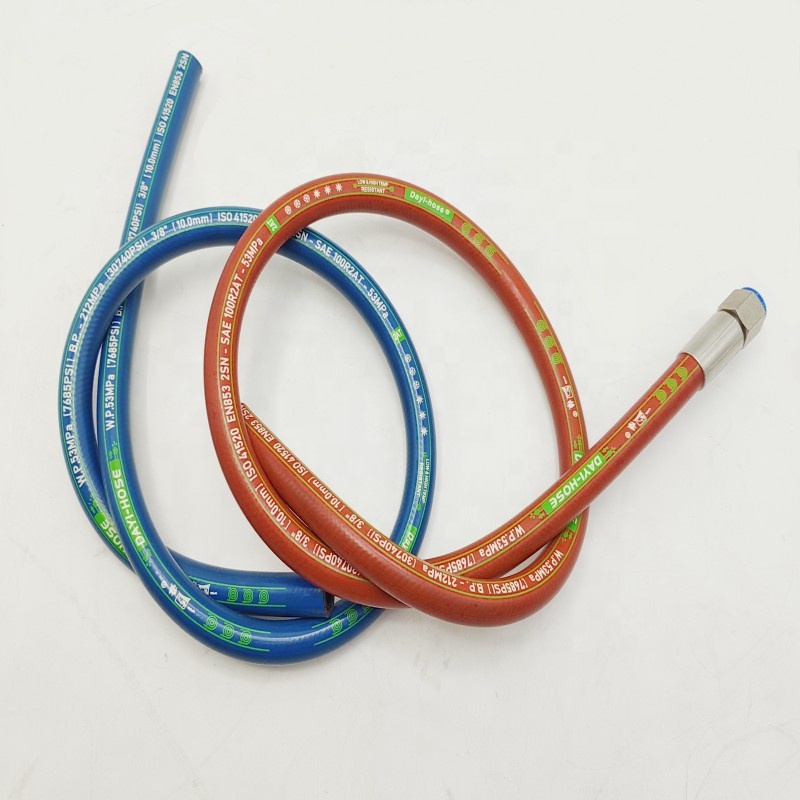
Hydraulic hoses manufactured in China are a critical component in a wide range of industrial applications, including construction machinery, agricultural equipment, material handling, and manufacturing processes. These hoses facilitate the transmission of fluid power, enabling the operation of hydraulic cylinders, motors, and other actuators. The industry has experienced significant growth, driven by global demand and competitive manufacturing capabilities. However, ensuring consistent quality, performance, and adherence to international standards remains a central challenge. This guide provides an in-depth technical overview of Chinese hydraulic hose manufacturing, covering materials, production processes, performance characteristics, failure modes, and relevant industry standards. A core pain point for procurement managers lies in verifying that Chinese manufacturers consistently deliver hoses meeting stringent performance requirements for high-pressure, high-temperature, and chemically aggressive environments, and that these products are fully compliant with necessary safety regulations.
Material Science & Manufacturing
The construction of a hydraulic hose typically involves four primary layers: the inner tube, reinforcement layers, the outer cover, and in some cases, intermediate layers for improved performance. The inner tube is generally composed of synthetic rubbers like nitrile (NBR), ethylene propylene diene monomer (EPDM), or fluorocarbon (FKM – Viton). NBR is cost-effective and offers good resistance to petroleum-based hydraulic fluids, but has limited high-temperature capabilities. EPDM excels in high-temperature applications and offers superior ozone and weathering resistance. FKM provides exceptional resistance to a broad range of chemicals, including aggressive fuels and oils, but is the most expensive option. Reinforcement layers are crucial for withstanding high pressures and preventing hose bursting. Commonly used materials include braided steel wire (high tensile steel) – typically single or multiple layers – and spirally wound steel wire. The steel wire is subject to stringent quality control to ensure consistent tensile strength and ductility. The outer cover provides protection against abrasion, weathering, and chemical attack, and is usually made of synthetic rubbers like chloroprene (CR – Neoprene) or polyurethane. Manufacturing processes vary depending on hose type. Braided hoses involve precisely winding steel wire around a mandrel, followed by rubber extrusion and vulcanization. Spirally wound hoses utilize a continuous steel wire helix wrapped around an inner tube and subsequently covered with rubber. Critical parameters during manufacturing include precise temperature control during vulcanization (typically 140-180°C), consistent pressure and dwell time to ensure complete curing of the rubber compounds, and rigorous quality checks for wire spacing and coverage. Manufacturing defects, such as voids in the rubber or inconsistent wire winding, can significantly compromise hose performance and lead to premature failure.
Performance & Engineering
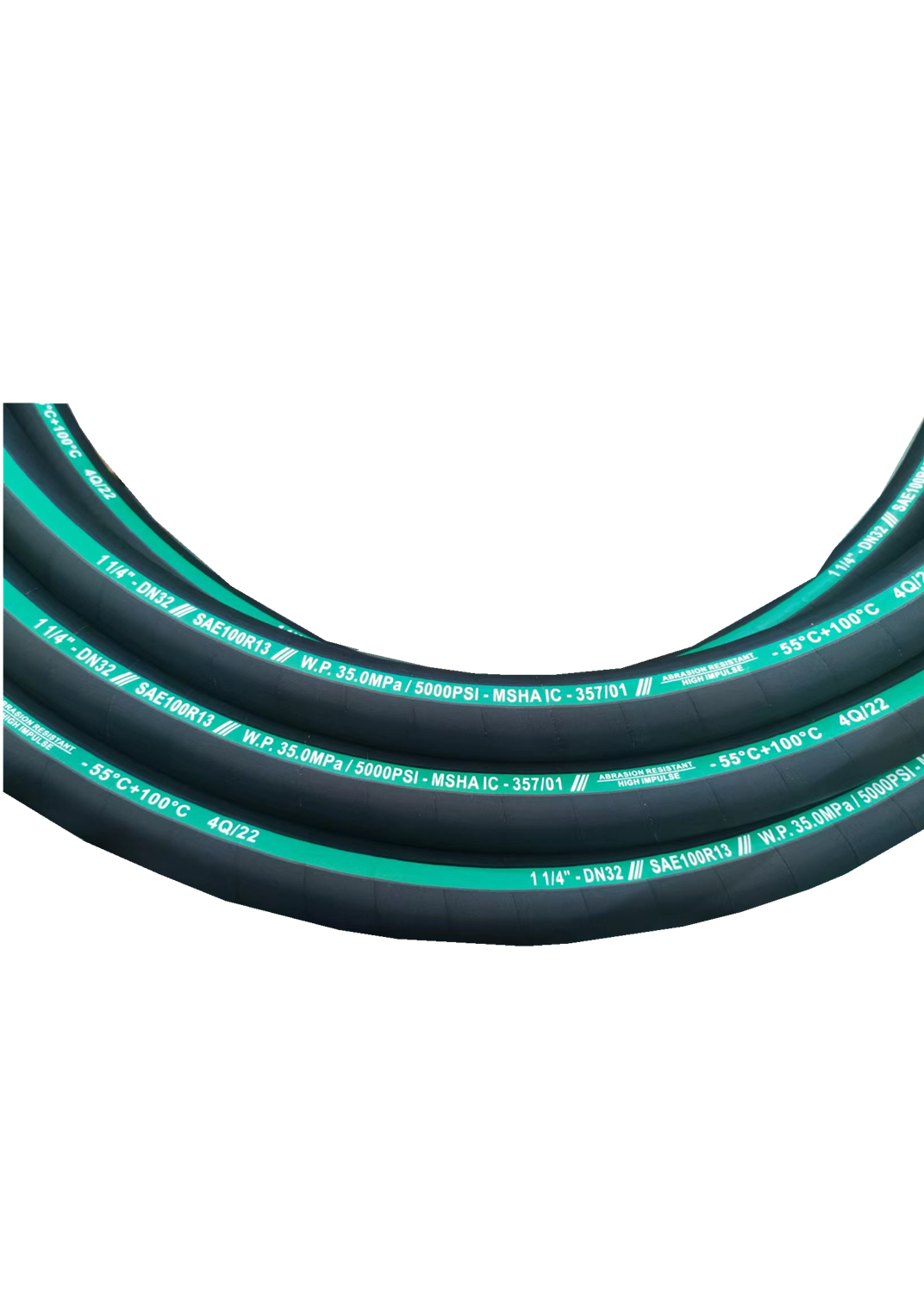
Hydraulic hose performance is dictated by several key engineering parameters. Burst pressure is the maximum pressure the hose can withstand before failure, typically tested hydrostatically to 3.5-4 times the working pressure. Working pressure is the continuous operating pressure recommended by the manufacturer. Impulse pressure resistance (or pressure surge) is a critical factor in hydraulic systems, as pressure spikes can exceed the working pressure by significant margins. Hoses must be designed to withstand these impulses without failure, evaluated through cyclic pressure testing. Temperature range is also crucial; hydraulic fluids operate at varying temperatures, and the hose material must maintain its flexibility and strength within that range. Flexibility, or bend radius, is determined by the hose construction and affects its ease of installation and routing. Chemical compatibility is vital to prevent degradation of the inner tube and ensure long-term performance. The hose material must be resistant to the specific hydraulic fluid being used. Fatigue life, assessed through repeated pressure cycling, determines the hose's durability over time. Force analysis during hose assembly involves evaluating the stress concentration at the fitting crimp, which is a common failure point. Proper crimping technique and fitting selection are essential to ensure a secure and reliable connection. Compliance requirements include adherence to safety standards such as ISO 6897 (hydraulic hose assemblies) and SAE J517 (hydraulic hose performance characteristics), as well as environmental regulations concerning material composition and disposal.
Technical Specifications
| Parameter | SAE 100R1AT | SAE 100R2AT | DIN EN 853 1SN | DIN EN 857 2SN |
|---|---|---|---|---|
| Working Pressure (PSI) | 1000 | 2000 | 1500 | 2250 |
| Burst Pressure (PSI) | 3000 | 6000 | 4500 | 6750 |
| Temperature Range (°F) | -40 to +212 | -40 to +212 | -40 to +212 | -40 to +212 |
| Inner Tube Material | NBR | NBR | NBR | NBR |
| Reinforcement | Single Steel Wire Braid | Two Steel Wire Braids | Single Steel Wire Spiral | Two Steel Wire Spirals |
| Outer Cover Material | CR | CR | CR | CR |
Failure Mode & Maintenance
Common failure modes in hydraulic hoses include burst failures due to exceeding the working pressure, pinhole leaks caused by internal damage or material degradation, and fitting failures resulting from improper crimping or corrosion. Fatigue cracking occurs after prolonged exposure to cyclic pressure and vibration, initiating at stress concentration points, often near the fittings. Hose twisting can damage the reinforcement layers, leading to reduced pressure capacity and eventual failure. External abrasion can wear away the outer cover, exposing the reinforcement and accelerating corrosion. Chemical attack can degrade the inner tube, causing it to swell, crack, or delaminate. Oxidation of the rubber compounds can lead to loss of flexibility and cracking. Preventive maintenance is crucial to extend hose life. Regular visual inspections should be conducted to identify signs of damage, such as cracks, abrasions, and leaks. Hose routing should be carefully planned to avoid sharp bends, twisting, and contact with hot surfaces or abrasive materials. Fittings should be inspected for corrosion and proper crimping. Hydraulic fluid should be kept clean and free of contaminants, as particulate matter can accelerate wear and damage. Hoses should be replaced at recommended intervals, even if no visible damage is present, to prevent unexpected failures. When replacing hoses, it’s essential to use compatible fittings and follow the manufacturer’s installation instructions.
Industry FAQ
Q: What is the difference between a braided and a spirally wound hydraulic hose, and which is better for high-pressure applications?
A: Braided hoses utilize multiple layers of interwoven steel wire, providing excellent flexibility and resistance to kinking. Spirally wound hoses employ a single continuous steel wire wrapped around the inner tube, offering higher pressure ratings and superior burst strength. For high-pressure applications exceeding 2000 PSI, spirally wound hoses are generally preferred due to their superior pressure capacity and resistance to fatigue.
Q: How important is the selection of the inner tube material, and what considerations should be made?
A: The inner tube material is critical for ensuring compatibility with the hydraulic fluid and preventing degradation. NBR is a general-purpose option, but may not be suitable for high temperatures or aggressive fluids. EPDM offers better temperature resistance, while FKM provides the broadest chemical compatibility. It's vital to consult the fluid manufacturer's recommendations and select a material that is resistant to swelling, cracking, or leaching.
Q: What are the common causes of hose fitting failures, and how can they be prevented?
A: Common causes of fitting failures include improper crimping, corrosion, and damage during installation. Ensuring the correct crimp size and technique is paramount. Using corrosion-resistant fittings and applying a protective coating can prevent corrosion. Careful handling during installation is essential to avoid damaging the fitting or hose end.
Q: How does temperature affect the performance and lifespan of a hydraulic hose?
A: Extreme temperatures can significantly impact hose performance. High temperatures can cause the rubber compounds to degrade and lose flexibility, while low temperatures can make the hose brittle and prone to cracking. Selecting a hose with a temperature rating that matches the operating environment is crucial. Exposure to prolonged high temperatures accelerates aging and reduces the hose’s lifespan.
Q: What certifications and standards should I look for when sourcing hydraulic hoses from Chinese manufacturers?
A: Key certifications and standards include ISO 9001 (quality management system), ISO 6897 (hydraulic hose assemblies), SAE J517 (hydraulic hose performance characteristics), and CE marking (European conformity). Verify that the manufacturer has undergone independent testing and certification to ensure compliance with these standards. Request documentation and testing reports to validate performance claims.
Conclusion
Hydraulic hoses manufactured in China represent a significant segment of the global market, offering competitive pricing and a growing range of capabilities. However, ensuring consistent quality, reliable performance, and adherence to international standards requires meticulous attention to material selection, manufacturing processes, and quality control. Understanding the critical parameters governing hose performance – including burst pressure, working pressure, temperature range, and chemical compatibility – is essential for selecting the appropriate hose for a specific application.
Proactive maintenance, including regular inspections and timely replacement, is vital for maximizing hose lifespan and preventing unexpected failures. Procurement managers should prioritize manufacturers demonstrating a commitment to quality, certification, and rigorous testing. By adopting a comprehensive approach to hose selection, installation, and maintenance, organizations can minimize downtime, enhance safety, and optimize the overall efficiency of their hydraulic systems.