
Apr . 01, 2024 17:55 Back to list
china hydraulic hose factory manufacturer Performance Analysis
Introduction
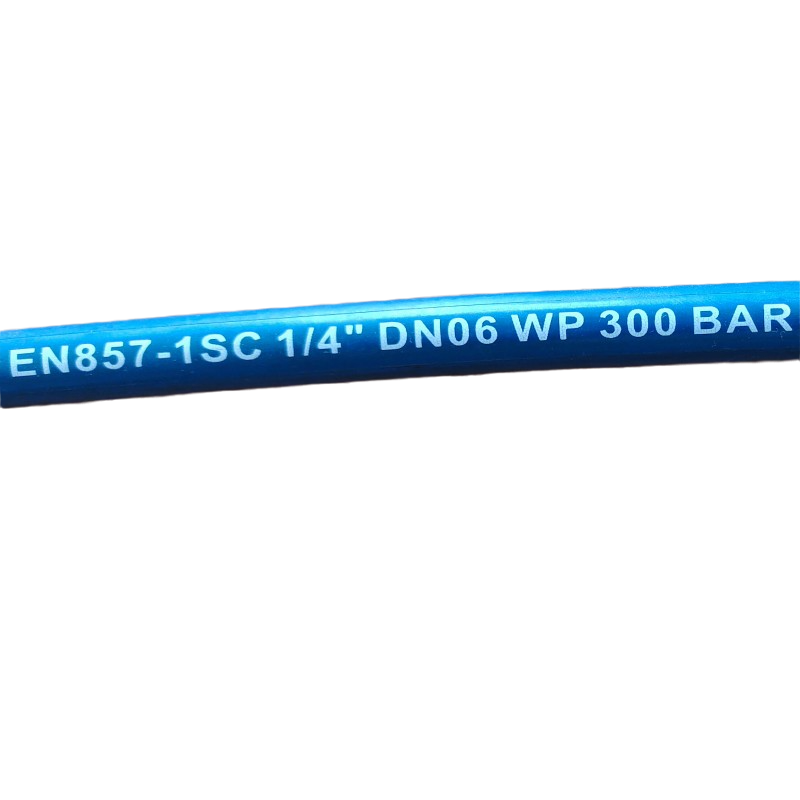
Hydraulic hoses manufactured in China represent a significant portion of the global supply chain, serving a diverse range of industries including construction, agriculture, mining, and manufacturing. These hoses are critical components in hydraulic systems, responsible for the reliable transmission of fluid power. The industry, particularly within China, has rapidly evolved, focusing on increased production capacity, cost competitiveness, and adherence to international quality standards. This guide provides an in-depth technical overview of Chinese hydraulic hose manufacturing, encompassing material science, production processes, performance characteristics, failure analysis, and relevant industry standards. A core pain point for global buyers is navigating the varying levels of quality and ensuring compliance with stringent application requirements. This document aims to provide clarity and facilitate informed decision-making. Performance characteristics, including pressure rating, temperature resistance, and fluid compatibility, are paramount considerations for ensuring system integrity and operational safety.
Material Science & Manufacturing
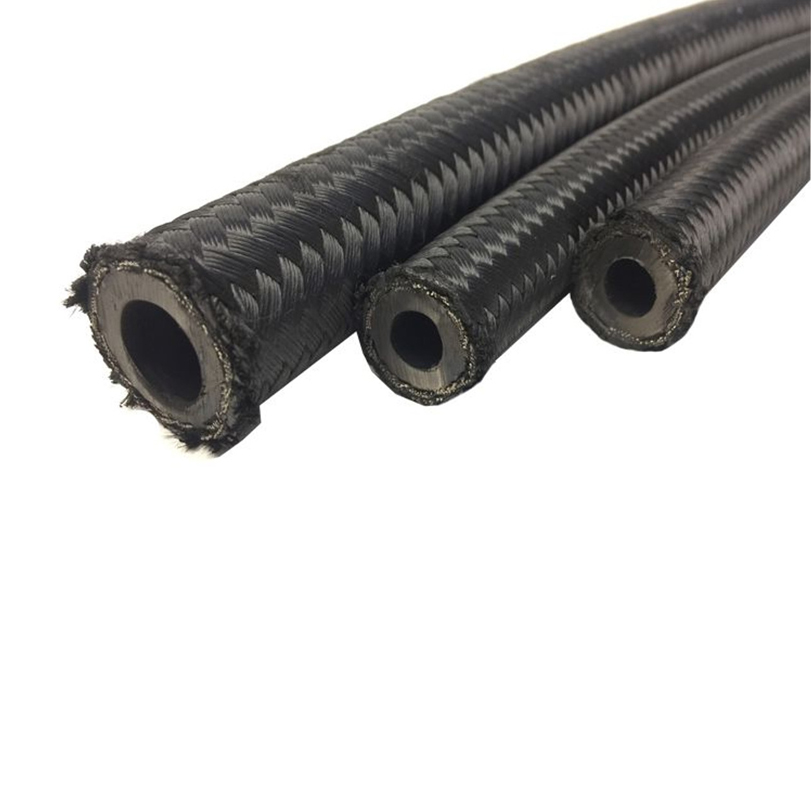
The core material for hydraulic hoses is synthetic rubber, primarily composed of nitrile rubber (NBR), ethylene propylene diene monomer (EPDM), and chloroprene rubber (CR), with varying blends tailored to specific fluid compatibility and temperature requirements. NBR offers excellent resistance to petroleum-based fluids, making it suitable for general hydraulic applications. EPDM excels in high-temperature environments and exhibits superior resistance to ozone and weathering. CR provides resistance to oils and chemicals, as well as good abrasion resistance. Reinforcement layers are crucial for withstanding high pressures. These typically consist of multiple plies of high-tensile steel wire, often spirally wound or braided. The manufacturing process begins with the extrusion of the inner tube, followed by the application of reinforcement layers. A bonding agent is used to ensure adhesion between the rubber and the steel wire. The hose is then subjected to curing, a vulcanization process involving heat and pressure, which cross-links the rubber molecules, enhancing its strength, elasticity, and resistance to degradation. Key parameter control during manufacturing includes maintaining precise rubber compound ratios, ensuring consistent wire tension during winding or braiding, and controlling curing time and temperature. Improper curing can lead to brittle rubber or insufficient bond strength between layers. Quality control measures include hydrostatic testing to verify pressure capacity and impulse testing to assess fatigue resistance. Chinese manufacturers have increasingly adopted automated processes to improve consistency and reduce defects.
Performance & Engineering
Hydraulic hose performance is dictated by several critical engineering factors. Burst pressure, working pressure, and safety factor are fundamental parameters. The working pressure is typically determined as a fraction (e.g., 1/4) of the burst pressure, providing a safety margin. Impulse pressure resistance is crucial in applications with pulsating flow, such as hydraulic hammers. This is assessed through repeated pressure cycles. Temperature range is another significant consideration; rubber compounds degrade at elevated temperatures and become brittle at low temperatures. Fluid compatibility is paramount to prevent swelling, softening, or cracking of the inner tube. Hose assemblies are subject to bending stress, which can lead to fatigue failure. Minimum bend radius specifications are provided by manufacturers to mitigate this risk. Force analysis involves calculating the tensile stress on the reinforcement layers under pressure and bending loads. Environmental resistance includes protection against ozone, UV radiation, and chemical exposure. Compliance requirements vary depending on the application and region, with standards such as SAE J517, EN 853, and ISO 6898 defining performance criteria. A common failure mode related to engineering is improper hose routing or inadequate support, leading to excessive bending and premature failure. Proper installation practices, including the use of appropriate fittings and guarding, are essential for ensuring longevity and safety.
Technical Specifications
| Parameter | SAE 100R1AT | SAE 100R2AT | EN 853 1SN | DIN EN 857 1SC |
|---|---|---|---|---|
| Working Pressure (PSI) | 1500 | 2000 | 1500 | 2000 |
| Burst Pressure (PSI) | 4500 | 6000 | 4500 | 6000 |
| Temperature Range (°C) | -40 to +100 | -40 to +121 | -40 to +100 | -40 to +121 |
| Inner Tube Material | NBR | NBR | NBR | NBR |
| Reinforcement | Single Steel Wire Braid | Two Steel Wire Braids | Single Steel Wire Braid | Single Steel Wire Spiral |
| Cover Material | CR | CR | CR | CR |
Failure Mode & Maintenance
Hydraulic hose failure can manifest in several ways. Fatigue cracking, particularly in the reinforcement layers, is a common occurrence due to repeated bending and pressure cycles. Delamination, the separation of rubber layers, can result from inadequate bonding during manufacturing or exposure to incompatible fluids. Degradation of the rubber compound, caused by ozone, UV radiation, or extreme temperatures, can lead to cracking and loss of flexibility. Oxidation, often accelerated by heat and exposure to oxygen, causes hardening and brittleness. Pinholes in the inner tube can result from damage during installation or corrosion from within the hydraulic system. External abrasion and impact damage can compromise the hose’s structural integrity. Proper maintenance is crucial for extending hose life. Regular visual inspections should be conducted to identify signs of cracking, swelling, or abrasion. Hoses should be replaced if any damage is detected. Avoid sharp bends and kinks during installation and operation. Use appropriate guarding to protect hoses from external damage. Ensure proper fluid compatibility and maintain a clean hydraulic system to prevent internal contamination. Record-keeping of hose replacement dates and operating conditions can aid in identifying potential failure patterns and optimizing maintenance schedules. Implementing preventative maintenance programs, including regular hose inspections and fluid analysis, can significantly reduce the risk of catastrophic failures and downtime.
Industry FAQ
Q: What is the difference between spiral and braided hose reinforcement, and which is better for high-pressure applications?
A: Spiral reinforcement, typically using a single steel wire wound at a steep angle, offers higher pressure capacity and greater flexibility compared to braided reinforcement, which uses multiple wires woven together. For very high-pressure applications exceeding 2000 PSI, spiral hose is generally preferred. However, braided hose provides better resistance to kinking and is often more cost-effective for lower-pressure systems.
Q: How does temperature affect the performance and lifespan of a hydraulic hose?
A: Extreme temperatures significantly impact hydraulic hose performance. High temperatures accelerate rubber degradation, leading to cracking and reduced flexibility. Low temperatures cause the rubber to become brittle and less resilient. Exceeding the specified temperature range for a given hose can dramatically shorten its lifespan and increase the risk of failure.
Q: What is the importance of fluid compatibility when selecting a hydraulic hose?
A: Fluid compatibility is critical. Using a hose incompatible with the hydraulic fluid can cause the rubber to swell, soften, or crack, leading to leaks and failure. Different rubber compounds are designed to resist specific fluids; therefore, selecting a hose with the correct inner tube material is paramount.
Q: What are the common causes of hydraulic hose leaks, and how can they be prevented?
A: Common causes of leaks include damaged fittings, cracked or deteriorated rubber, improper installation, and exceeding pressure limits. Prevention involves regular inspections, using properly sized and tightened fittings, avoiding sharp bends, ensuring fluid compatibility, and adhering to the hose’s maximum working pressure.
Q: How do Chinese hydraulic hose manufacturers compare to those in Europe or North America in terms of quality and reliability?
A: The quality of Chinese hydraulic hose manufacturing has significantly improved in recent years. While historically there were concerns about consistency, many Chinese manufacturers now adhere to international standards (SAE, EN, ISO) and employ rigorous quality control procedures. However, variability still exists, and careful supplier selection, thorough testing, and independent certification are crucial to ensure reliability.
Conclusion
Hydraulic hoses manufactured in China represent a competitive and increasingly reliable source for global industries. Understanding the nuances of material science, manufacturing processes, and performance characteristics is crucial for selecting the appropriate hose for specific applications. Careful consideration of factors such as pressure rating, temperature range, fluid compatibility, and reinforcement type is paramount to ensuring operational safety and maximizing hose lifespan. The continued adoption of international standards and advancements in manufacturing technologies within the Chinese hydraulic hose industry indicate a positive trajectory towards further improvements in quality and consistency.
Effective preventative maintenance practices, including regular inspections and adherence to proper installation guidelines, are essential for mitigating failure risks and optimizing the overall performance of hydraulic systems. Ongoing advancements in rubber compound technology and reinforcement materials promise to deliver even more durable and reliable hydraulic hoses in the future, addressing the evolving needs of demanding industrial applications.