
Apr . 01, 2024 17:55 Back to list
china hydraulic hose factory factory Performance Analysis
Introduction
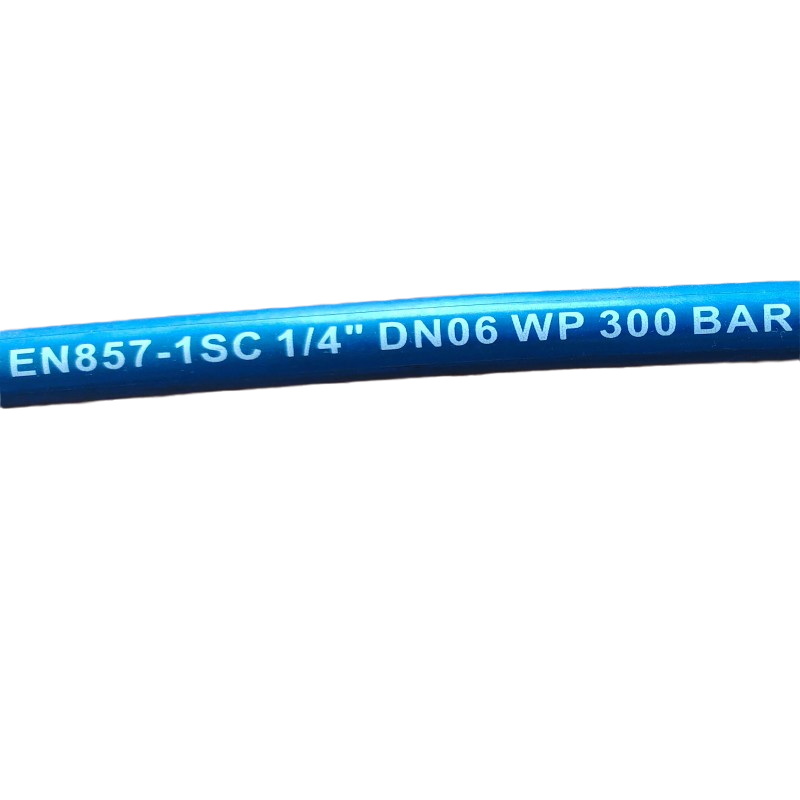
Hydraulic hoses manufactured in China serve as critical fluid conveyance components across a vast spectrum of industrial applications, including construction equipment, agricultural machinery, mining operations, and manufacturing processes. These hoses are engineered to transmit hydraulic fluid under high pressure, enabling the efficient operation of hydraulic systems. This guide provides an in-depth technical overview of these hoses, encompassing material science, manufacturing techniques, performance characteristics, failure modes, maintenance protocols, and relevant industry standards. The increasing global demand for hydraulic systems necessitates robust, reliable hose solutions, making Chinese manufacturers a significant force in the supply chain. Core performance indicators include pressure rating, burst pressure, temperature resistance, and fluid compatibility. The industry faces ongoing challenges related to material consistency, quality control, and adherence to international safety standards. Proper hose selection and maintenance are crucial to prevent catastrophic failures and ensure operational safety.
Material Science & Manufacturing
The construction of hydraulic hoses typically involves multiple layers, each contributing to specific performance characteristics. The inner tube, directly exposed to the hydraulic fluid, is commonly composed of synthetic rubbers such as nitrile butadiene rubber (NBR), chloroprene rubber (CR, Neoprene), or fluorocarbon rubber (FKM, Viton) depending on fluid compatibility and temperature requirements. NBR offers good abrasion resistance and compatibility with petroleum-based fluids, while CR provides enhanced resistance to ozone and weathering. FKM excels in high-temperature applications and is compatible with aggressive fluids. Reinforcement layers, providing the hose's pressure-withstanding capability, traditionally utilize multiple plies of high-tensile steel wire. The number and configuration of these wires directly correlate to the hose’s working and burst pressures. Aramid fiber reinforcement is increasingly used for applications requiring high flexibility and reduced weight. The outer cover, protecting the reinforcement layers from environmental degradation, is commonly manufactured from synthetic rubbers like CR or polyurethane (PU). PU provides superior abrasion and oil resistance. Manufacturing processes include extrusion for the inner tube and outer cover, spiral winding or braiding for reinforcement layers, and vulcanization to bond the layers together. Critical parameters during manufacturing include maintaining precise rubber compound ratios, ensuring consistent wire tension, and controlling vulcanization temperature and time to achieve optimal crosslinking and material properties. Chemical compatibility testing is paramount to validate the hose’s resistance to the intended hydraulic fluid.

Performance & Engineering
Hydraulic hose performance is governed by several critical engineering considerations. Burst pressure, defined as the pressure at which the hose fails catastrophically, is typically four times the working pressure. Working pressure is the maximum continuous operating pressure specified by the manufacturer. Fatigue resistance, the ability to withstand repeated pressure cycles, is crucial for long-term reliability. This is heavily influenced by the reinforcement layer's material and construction. Hose flex radius, the minimum allowable bend radius, impacts stress concentration and potential failure points. Excessive bending can cause kinking and premature wear. Temperature extremes can significantly affect hose performance. High temperatures reduce rubber elasticity and increase the risk of thermal degradation, while low temperatures can reduce flexibility and increase brittleness. Hydraulic fluid compatibility is paramount; incompatible fluids can cause swelling, softening, or cracking of the inner tube. Environmental resistance, including exposure to ozone, UV radiation, and chemical contaminants, must also be considered. Finite element analysis (FEA) is commonly used to model hose behavior under various loading conditions and optimize design parameters. Industry standards, such as SAE J517 and EN 853, specify performance requirements and testing procedures.
Technical Specifications
| Parameter | Unit | SAE 100R1AT | SAE 100R2AT |
|---|---|---|---|
| Working Pressure | MPa | 20.7 | 28.0 |
| Burst Pressure | MPa | 82.7 | 112.0 |
| Temperature Range | °C | -40 to +100 | -40 to +121 |
| Inner Tube | Material | NBR | NBR |
| Reinforcement | Material | Single Steel Wire Braid | Double Steel Wire Braid |
| Outer Cover | Material | CR | CR |
Failure Mode & Maintenance
Hydraulic hose failures commonly manifest as burst failures, leaks, or reduced flow rates. Burst failures, often catastrophic, are typically caused by exceeding the hose’s pressure rating, fatigue cracking due to repeated pressure cycles, or damage from external abrasion. Leaks can result from pinholes in the inner tube caused by fluid incompatibility or internal corrosion, or from loose fittings. Reduced flow rates may indicate internal degradation or blockage. Fatigue cracking is exacerbated by excessive bending, improper routing, and vibration. External abrasion can damage the outer cover, exposing the reinforcement layers to corrosion. Oxidation of the rubber compounds can lead to embrittlement and cracking, particularly at elevated temperatures. Proper maintenance is crucial to extend hose life and prevent failures. Regular visual inspections should be conducted to identify signs of wear, damage, or leaks. Hoses should be routed properly to avoid excessive bending, abrasion, and exposure to extreme temperatures. Fittings should be tightened to the manufacturer's specifications. Hydraulic fluid should be maintained at the appropriate level and cleanliness. Damaged hoses should be replaced immediately. Periodic fluid analysis can help identify potential compatibility issues or internal contamination.
Industry FAQ
Q: What is the significance of the 'dash size' in hydraulic hose specifications?
A: The 'dash size' refers to the internal diameter of the hose in sixteenths of an inch. For example, a '-6' hose has a 6/16 inch, or 3/8 inch, internal diameter. This is a critical parameter for determining flow rate and pressure drop within the hydraulic system.
Q: How does reinforcement type impact hose performance and application suitability?
A: Steel wire reinforcement provides high pressure capacity and abrasion resistance, making it suitable for demanding applications. Aramid fiber reinforcement offers greater flexibility and reduced weight, ideal for applications where tight bends and maneuverability are required. The choice depends on the specific pressure, temperature, and flexibility requirements.
Q: What is the impact of hydraulic fluid type on hose selection?
A: Hydraulic fluid compatibility is paramount. Different fluids require different inner tube materials. Petroleum-based fluids are generally compatible with NBR, while phosphate ester fluids require specialized materials like FKM. Using an incompatible fluid can cause the inner tube to swell, crack, or degrade, leading to failure.
Q: What preventative measures can be taken to minimize hose fatigue failure?
A: Minimize excessive bending and twisting, ensure proper hose routing to avoid abrasion and vibration, maintain correct system pressure within the hose’s operating limits, and use appropriate fittings to prevent stress concentrations. Regular inspection and replacement of hoses showing signs of wear are also crucial.
Q: What are the key differences between SAE J517 and EN 853 hydraulic hose standards?
A: SAE J517 is a North American standard that defines performance requirements and testing procedures for hydraulic hoses. EN 853 is a European standard with similar objectives but may differ in specific testing methods and performance criteria. Understanding these differences is crucial for ensuring compliance with regional regulations.
Conclusion
Hydraulic hoses manufactured in China are integral components of numerous industrial systems, demanding a thorough understanding of their material science, manufacturing processes, and performance characteristics. Selecting the appropriate hose for a given application requires careful consideration of working pressure, temperature range, fluid compatibility, and environmental conditions. Proactive maintenance, including regular inspection and timely replacement of damaged hoses, is vital to ensure operational safety and prevent costly downtime.
Future developments in hydraulic hose technology will likely focus on the development of advanced materials, such as thermoplastic composites, to further enhance performance and durability. Improvements in manufacturing techniques, including automated braiding and extrusion processes, will contribute to increased production efficiency and reduced costs. Continued adherence to and evolution of international standards will be crucial to maintain product quality and ensure global compatibility.