
Apr . 01, 2024 17:55 Back to list
china hydraulic hose assembly Performance Analysis
Introduction
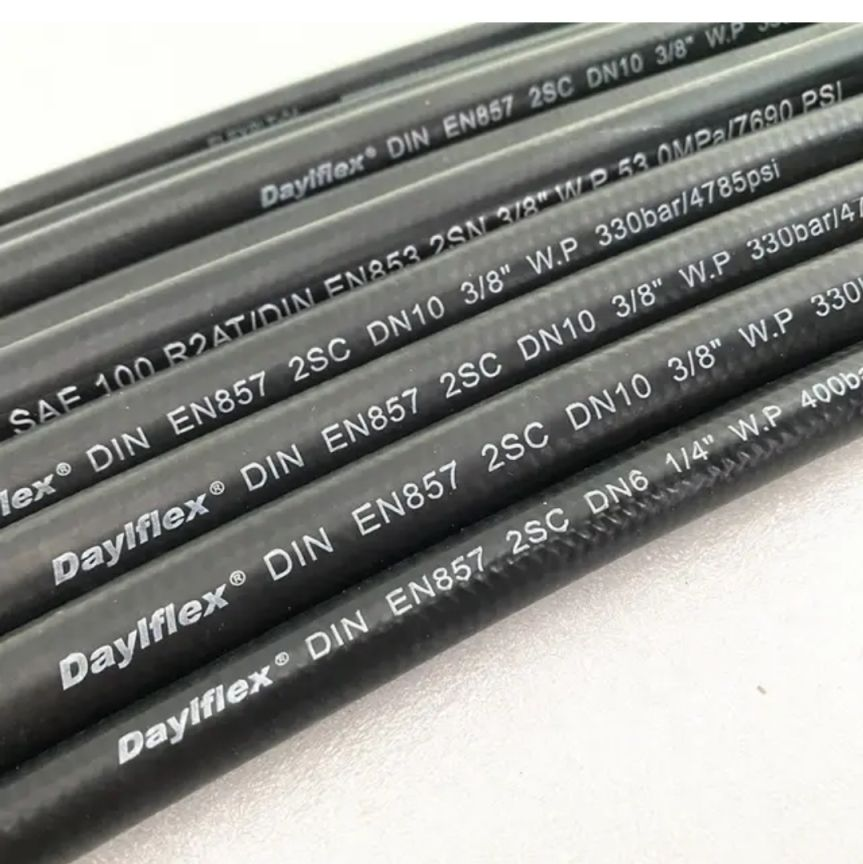
China hydraulic hose assemblies are critical components in fluid power systems across a diverse range of industries, including construction, agriculture, mining, and manufacturing. These assemblies transmit hydraulic fluid to operate actuators, motors, and other hydraulic machinery. Their technical position within the industrial chain sits between the hose manufacturing process and the end-user application – encompassing hose extrusion, reinforcement, fitting crimping, and rigorous quality control. Core performance characteristics revolve around pressure capacity, burst strength, flexibility, temperature resistance, and fluid compatibility. A key distinguishing factor in the Chinese market is the increasing emphasis on achieving international standards alongside competitive pricing, driving demand for higher quality, durable, and reliable hose assemblies. The industry faces core pain points concerning consistent material quality, accurate pressure rating verification, and resistance to abrasion and corrosion in demanding operating environments. Ensuring conformity to global safety regulations and providing comprehensive traceability are also paramount concerns.
Material Science & Manufacturing
Hydraulic hoses are typically constructed from multiple layers, each serving a specific function. The inner tube, in contact with the fluid, is commonly composed of synthetic rubbers like nitrile (NBR), ethylene propylene diene monomer (EPDM), or fluorocarbon (FKM/Viton) depending on the fluid being conveyed and operating temperature. NBR is widely used for petroleum-based fluids, while EPDM exhibits excellent resistance to heat, ozone, and weathering, making it suitable for water-based fluids. FKM provides superior resistance to aggressive chemicals and high temperatures but comes at a higher cost. The reinforcement layer provides the hose’s strength and resistance to pressure. Commonly used materials include one or multiple layers of high-tensile steel wire (single or double wire braid), spiral steel wire, or synthetic textile braids. Spiral wire reinforcement offers higher pressure ratings and flexibility compared to braided constructions. The outer cover protects the reinforcement from abrasion, weathering, and chemical attack, typically utilizing synthetic rubbers like chlorinated polyethylene (CPE) or polyurethane. Manufacturing processes commence with rubber compounding, followed by extrusion of the inner tube and outer cover. Reinforcement layers are then applied, and the assembly undergoes crimping with fittings. Key parameter control during manufacturing focuses on consistent rubber compound formulation, precise wire winding tension, accurate crimp pressure and positioning, and stringent dimensional checks. Improper crimping can lead to premature failure, while inconsistencies in rubber composition affect fluid resistance and longevity. Post-production testing involves hydrostatic pressure testing to verify burst pressure, impulse testing to assess fatigue resistance, and dimensional inspection to ensure adherence to specifications.
Performance & Engineering
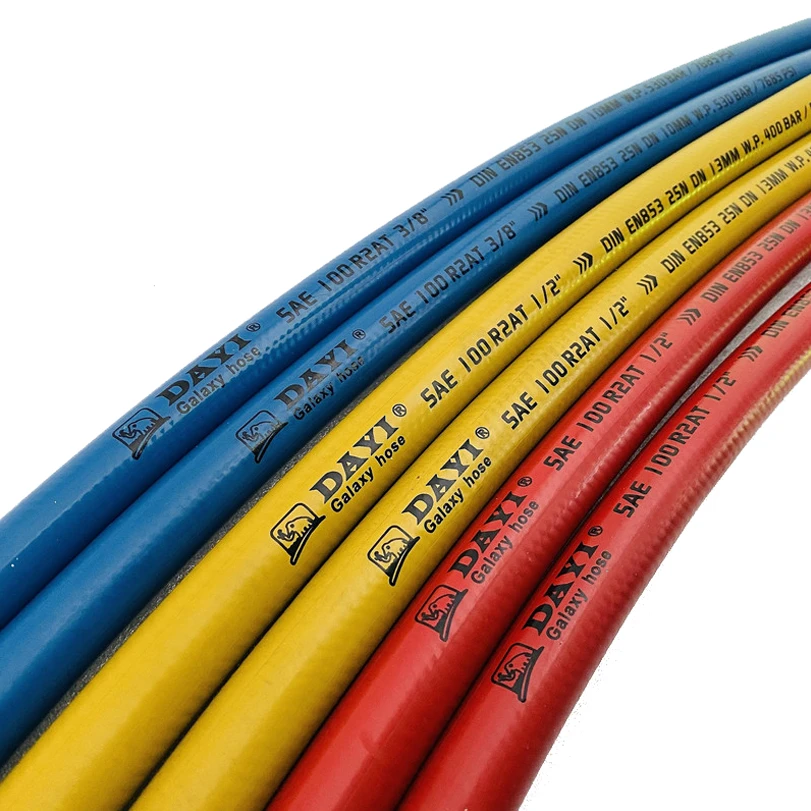
The performance of a hydraulic hose assembly is dictated by several engineering factors. Force analysis focuses on calculating hoop stress within the hose wall under internal pressure. Hoop stress increases linearly with pressure and is inversely proportional to the hose diameter and wall thickness. The reinforcement layer must withstand this stress to prevent hose rupture. Fatigue analysis is crucial, particularly for applications involving pulsating flow or vibration. Impulse pressures can induce cyclical stresses, leading to fatigue cracking and eventual failure. Environmental resistance is also a significant consideration. Exposure to extreme temperatures, UV radiation, ozone, and corrosive chemicals can degrade the rubber compounds, reducing their elasticity and strength. Proper material selection and the use of protective coatings can mitigate these effects. Compliance requirements are stringent, varying by region and application. For example, SAE J517 specifies performance requirements for hydraulic hoses, while ISO 6897 covers hydraulic hose assemblies. Functional implementation also requires careful consideration of fitting selection. Fittings must be compatible with the hose material and fluid being conveyed, and they must be securely crimped to prevent leakage or blow-off. Hose routing must avoid sharp bends and excessive strain, which can compromise the hose’s integrity. Furthermore, proper selection of hose end fittings (threaded, flanged, or quick-disconnect) is critical to ensure compatibility with the hydraulic system and prevent fluid loss.
Technical Specifications
| Parameter | Unit | SAE 100R1 AT | SAE 100R2 AT | EN 853 1SN |
|---|---|---|---|---|
| Working Pressure | MPa | 10.5 | 18.6 | 16 |
| Burst Pressure | MPa | 31.5 | 55.2 | 48 |
| Temperature Range | °C | -40 to +100 | -40 to +121 | -40 to +100 |
| Inner Tube | Material | NBR | NBR | NBR |
| Reinforcement | Material | Single Wire Braid | Double Wire Braid | Single Steel Wire Braid |
| Outer Cover | Material | CPE | CPE | CPE |
Failure Mode & Maintenance
Hydraulic hose assemblies are susceptible to several failure modes. Fatigue cracking is a common issue, particularly in applications involving pulsating pressures. This occurs when cyclical stresses exceed the material’s endurance limit, leading to crack initiation and propagation. Delamination refers to the separation of layers within the hose wall, often caused by improper bonding during manufacturing or exposure to corrosive fluids. Degradation of the rubber compounds can occur due to prolonged exposure to heat, UV radiation, or chemical attack, resulting in loss of elasticity and strength. Oxidation can lead to hardening and cracking of the rubber, reducing its flexibility and increasing the risk of failure. Fitting failure can manifest as leakage at the crimp connection or blow-off due to inadequate crimp pressure. Maintenance solutions involve regular visual inspections for signs of damage, such as cracks, abrasions, or swelling. Hose assemblies should be replaced if any damage is detected. Fluid contamination can significantly accelerate hose degradation; therefore, maintaining clean hydraulic fluid is crucial. Proper hose routing and support are essential to prevent excessive bending and strain. Regular torque checks on fittings are necessary to ensure secure connections. Implementing a preventative maintenance schedule, including routine pressure testing and hose replacement based on service life, can minimize downtime and prevent catastrophic failures. Furthermore, proper storage of hoses (protected from sunlight, ozone, and extreme temperatures) is essential to maintain their longevity and performance.
Industry FAQ
Q: What is the significance of ‘dash size’ in hydraulic hose specification?
A: Dash size refers to the internal diameter of the hose in -100ths of an inch. For example, a -10 hose has an internal diameter of 1 inch. It's a critical parameter for ensuring adequate flow capacity and minimizing pressure drop in the hydraulic system.
Q: How does spiral hose differ from braided hose, and when should each be used?
A: Spiral hose uses a continuously wound steel wire for reinforcement, providing higher pressure ratings and greater flexibility than braided hose. Braided hose uses interwoven steel wire braids. Spiral hose is preferred for high-pressure applications and tight bend radii, while braided hose is suitable for moderate pressures and less demanding routing requirements.
Q: What are the common causes of hose blow-off, and how can it be prevented?
A: Hose blow-off is typically caused by exceeding the hose's working pressure, improper crimping of the fittings, or incompatible fittings. Prevention involves using hoses with adequate pressure ratings, ensuring correct crimp specifications, and verifying fitting compatibility with the hose and fluid.
Q: What is the role of the outer cover material in hydraulic hose performance?
A: The outer cover protects the reinforcement layer from abrasion, weathering, and chemical attack. CPE is a common choice, offering good abrasion resistance, while polyurethane provides superior chemical resistance. Selecting the appropriate cover material depends on the operating environment and potential exposure to contaminants.
Q: How important is fluid compatibility when selecting a hydraulic hose?
A: Fluid compatibility is paramount. Using a hose with an incompatible inner tube material can lead to swelling, degradation, and premature failure. Nitrile (NBR) is suitable for petroleum-based fluids, while EPDM is best for water-based fluids, and FKM offers broad chemical resistance.
Conclusion
China hydraulic hose assemblies represent a crucial element in modern fluid power systems. Understanding the material science, manufacturing processes, and performance characteristics is vital for ensuring optimal system reliability and safety. The continuous drive towards higher quality standards and adherence to international regulations, coupled with advancements in materials and manufacturing techniques, are shaping the future of this industry. Selecting the appropriate hose assembly requires careful consideration of operating pressure, fluid compatibility, temperature range, and environmental conditions.
Effective preventative maintenance, including regular inspections and timely replacement of worn or damaged hoses, is essential for minimizing downtime and preventing catastrophic failures. The ongoing focus on innovation and adherence to global best practices will continue to elevate the performance and reliability of China hydraulic hose assemblies, solidifying their position as a critical component in a wide range of industrial applications.