
Apr . 01, 2024 17:55 Back to list
china hydraulic hose and fitting Performance Analysis
Introduction
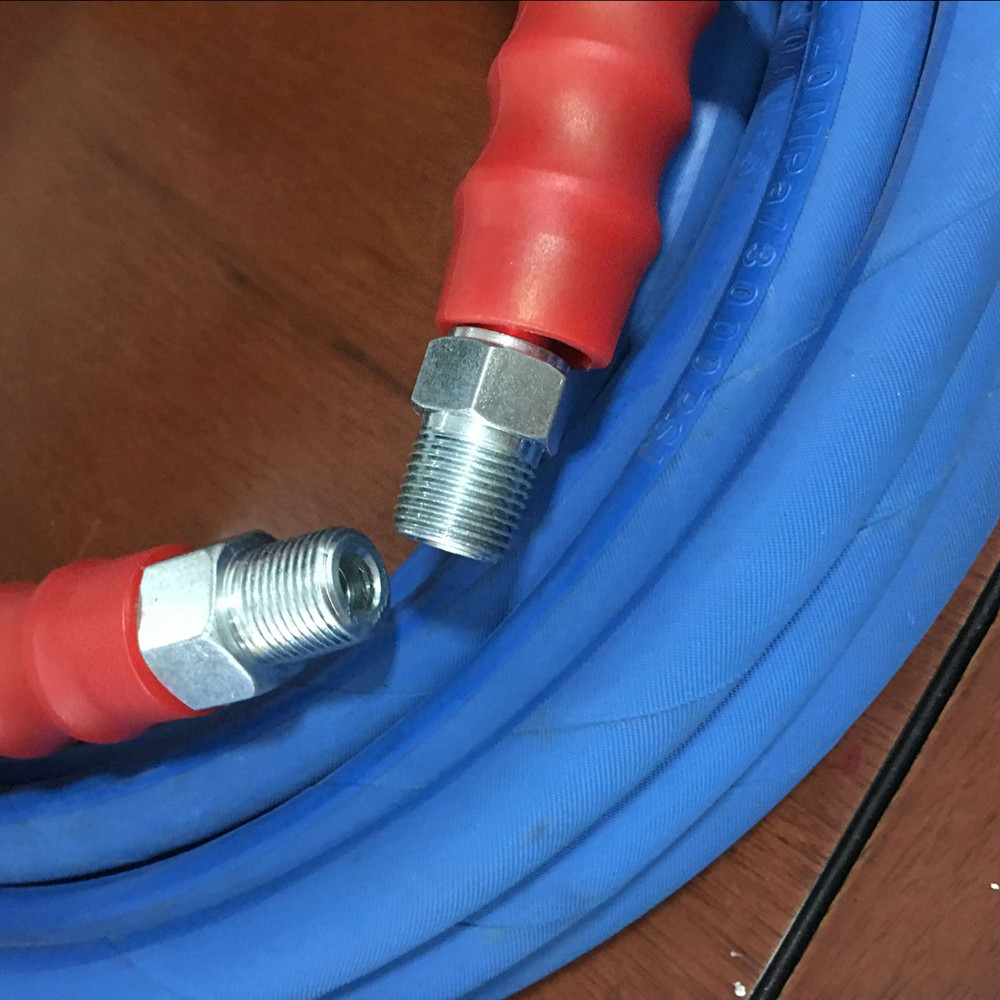
Hydraulic hoses and fittings are critical components in fluid power systems, responsible for the safe and efficient transmission of pressurized fluids. Within the industrial landscape, particularly from Chinese manufacturers, these components have become increasingly prevalent due to competitive pricing and expanding manufacturing capabilities. This guide details the technical aspects of China hydraulic hoses and fittings, encompassing material science, manufacturing processes, performance characteristics, failure modes, and relevant industry standards. The increasing demand for robust, reliable hydraulic systems across diverse sectors—construction, agriculture, mining, and manufacturing—necessitates a thorough understanding of these components. A primary pain point within the industry is ensuring consistent quality and adherence to international standards, alongside accurate pressure ratings and compatibility with various hydraulic fluids. Furthermore, understanding the specific material properties impacting longevity and resistance to environmental factors is essential for informed procurement and optimal system performance.
Material Science & Manufacturing
China hydraulic hoses are typically constructed from several layers, each contributing specific performance characteristics. The inner tube, in direct contact with the hydraulic fluid, is commonly made from nitrile rubber (NBR) for mineral oils, or fluorocarbon (FKM) for compatibility with synthetic fluids, phosphate ester fluids, and higher temperature applications. NBR offers good abrasion resistance and cost-effectiveness, while FKM boasts superior chemical resistance and thermal stability. Reinforcement layers consist of multiple plies of high-tensile steel wire, providing the hose with its pressure-withstanding capability. The number and configuration of these wire plies directly correlate with the hose's working pressure. An outer cover, usually composed of Chloroprene rubber (CR), provides abrasion, ozone, and weathering resistance.
Manufacturing involves a multi-step process. The inner tube is extruded, followed by the spiral winding of steel wire reinforcement. This is then encapsulated by the outer cover, also through extrusion. Crucially, parameters like extrusion temperature, cooling rate, and wire tension are rigorously controlled to ensure dimensional accuracy and structural integrity. Fitting manufacturing employs processes like forging, machining, and heat treatment of carbon steel or stainless steel. Critical dimensions, such as thread pitch and port size, are subject to stringent quality control to guarantee leak-free connections. The hydraulic hose and fitting connection is typically achieved via crimping, where the fitting is permanently attached to the hose using a specialized crimping machine. Crimping pressure and die selection are vital – incorrect crimping can lead to premature failure due to loosening or hose deformation. The quality of steel wire and rubber compounds significantly impacts the performance and longevity of China hydraulic hoses and fittings. Sourcing these raw materials from reputable suppliers and maintaining consistent batch-to-batch quality are paramount concerns.

Performance & Engineering
The performance of a hydraulic hose and fitting system is dictated by several engineering considerations. Burst pressure, working pressure, and impulse pressure are critical parameters. Burst pressure represents the maximum pressure the hose can withstand before rupture, typically four times the working pressure. Working pressure is the recommended maximum operating pressure for continuous service. Impulse pressure signifies the hose's ability to withstand pressure spikes and fluctuations. Finite Element Analysis (FEA) is frequently used during the design phase to simulate stress distribution within the hose and fitting under various loading conditions, optimizing geometry and material selection.
Environmental resistance is also a key factor. Hydraulic systems operate in diverse conditions, ranging from extreme temperatures to corrosive environments. Hose materials must exhibit resistance to ozone degradation, UV exposure, and chemical attack from hydraulic fluids and external contaminants. Furthermore, proper fitting selection is vital to ensure compatibility with the hose material and operating environment. For example, stainless steel fittings are preferred in corrosive environments to prevent galvanic corrosion. Compliance with safety standards, such as those related to fire resistance (ISO 6722), is essential, particularly in applications where hydraulic leaks pose a fire hazard. The bending radius of the hose is also a critical engineering consideration; exceeding the minimum bending radius can lead to kinking and reduced flow. Proper hose routing and support are therefore crucial to prevent premature failure and maintain optimal system performance.
Technical Specifications
| Parameter | Unit | SAE 100R1AT | SAE 100R2AT |
|---|---|---|---|
| Working Pressure | MPa | 20.7 | 34.5 |
| Burst Pressure | MPa | 82.7 | 138 |
| Temperature Range | °C | -40 to +100 | -40 to +121 |
| Inner Tube Material | - | NBR | NBR |
| Reinforcement | - | Single Steel Wire Braid | Double Steel Wire Braid |
| Outer Cover Material | - | CR | CR |
Failure Mode & Maintenance
Hydraulic hose and fitting failures are often attributed to several key factors. Fatigue cracking, induced by repeated pressure cycles and flexing, is a common mode of failure, particularly in applications with high vibration. The gradual weakening of the reinforcement wires leads to crack propagation and eventual rupture. Another failure mode is abrasion damage, caused by external contact with abrasive surfaces. Improper installation, such as over-tightening or incorrect crimping, can also lead to premature failure. Chemical incompatibility between the hydraulic fluid and the hose material results in swelling, softening, and eventual degradation. Furthermore, exposure to extreme temperatures can compromise the mechanical properties of the hose and fitting.
Preventative maintenance is crucial for maximizing the service life of hydraulic hoses and fittings. Regular visual inspections should be conducted to identify signs of wear, damage, or leakage. Hoses should be replaced if they exhibit cracks, abrasions, or swelling. Fittings should be checked for corrosion and proper tightening. Hydraulic fluid should be regularly analyzed for contamination and replaced as needed. Implementing a hose management program, including proper hose routing, support, and protection, can significantly reduce the risk of failure. When replacing hoses, it is essential to use fittings that are compatible with the hose material and operating pressure. Proper crimping procedures must be followed to ensure a secure and leak-free connection. Detailed failure analysis, including microscopic examination of fractured surfaces, can help identify the root cause of failures and prevent recurrence.
Industry FAQ
Q: What is the difference between SAE 100R1AT and SAE 100R2AT hoses and which should I choose for a 30 MPa system?
A: SAE 100R2AT hoses offer a higher working pressure (34.5 MPa) and generally greater durability due to their double steel wire braid reinforcement compared to SAE 100R1AT (20.7 MPa) with its single braid. For a 30 MPa system, while SAE 100R1AT could technically be used with a sufficient safety factor, SAE 100R2AT is strongly recommended to provide a larger margin of safety and longer service life, especially in applications with pressure spikes or vibration.
Q: How does temperature affect the performance of a hydraulic hose?
A: Temperature extremes significantly impact hydraulic hose performance. High temperatures can accelerate material degradation, reduce the hose’s pressure rating, and cause swelling. Low temperatures can make the rubber more brittle and prone to cracking. Exceeding the specified temperature range for a hose can drastically reduce its lifespan and potentially lead to catastrophic failure. Using a hose rated for the specific operating temperature is critical.
Q: What are the common causes of leaks at the fitting connection?
A: Leaks at the fitting connection are often caused by improper crimping, damaged threads on either the fitting or port, or incompatibility between the fitting material and the hydraulic fluid. Insufficient crimping results in a loose connection, while over-crimping can damage the hose reinforcement. Corrosion on the threads can also create leak paths. Ensuring correct crimping procedures, using compatible materials, and applying thread sealant are essential.
Q: What is the importance of choosing the correct hose end fitting material?
A: The fitting material must be compatible with both the hose material and the hydraulic fluid. Using an incompatible material can lead to corrosion, erosion, and eventual failure. For example, carbon steel fittings are generally suitable for mineral oils, but stainless steel fittings are preferable in corrosive environments or with synthetic fluids. Galvanic corrosion can occur when dissimilar metals are in contact in the presence of an electrolyte, necessitating careful material selection.
Q: What maintenance checks should be performed on a hydraulic hose system?
A: Regular visual inspections are crucial, looking for signs of abrasion, cracks, swelling, or leaks. Check for proper hose routing and support to prevent kinking and rubbing. Monitor hydraulic fluid levels and condition, and replace as needed. Periodically torque check fitting connections and ensure they are not loose. Implement a hose replacement schedule based on operating conditions and manufacturer recommendations.
Conclusion
China hydraulic hoses and fittings represent a significant component in modern fluid power systems, offering competitive solutions for a diverse range of industries. Understanding the intricacies of their material science, manufacturing processes, and performance characteristics is crucial for ensuring reliable and safe operation. The selection of appropriate hose and fitting combinations, coupled with meticulous installation and regular maintenance, are paramount to maximizing system longevity and minimizing the risk of failure. The industry continues to evolve, with a growing emphasis on enhanced material properties, improved manufacturing techniques, and adherence to stringent international standards.
Future developments will likely focus on the adoption of advanced materials, such as thermoplastic hoses, offering superior chemical resistance and weight reduction. Furthermore, the integration of smart hose technology, incorporating sensors for real-time pressure and temperature monitoring, will enable predictive maintenance and enhance system safety. Continued research and development in hose crimping technologies will further improve connection reliability and durability. By prioritizing technical expertise and quality control, manufacturers and end-users can leverage the benefits of China hydraulic hoses and fittings while mitigating potential risks.