
Apr . 01, 2024 17:55 Back to list
china high pressure washer hose Performance Engineering
Introduction
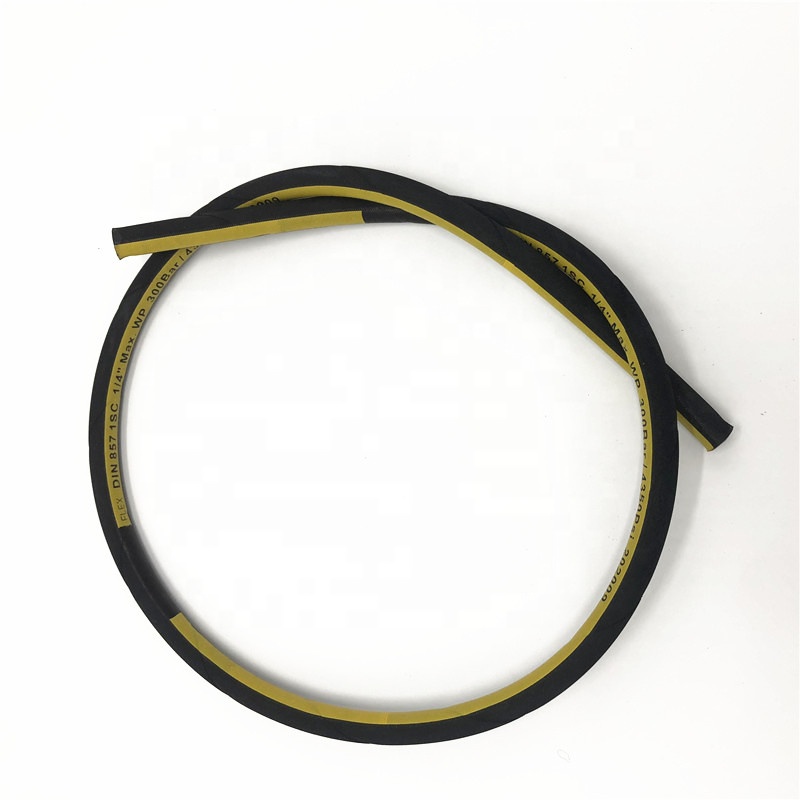
High pressure washer hoses, manufactured in China, represent a critical component within the broader pressure washing equipment industry. These hoses are engineered to convey high-velocity water, often supplemented with cleaning agents, from the pump to the spray nozzle. Their performance directly impacts the efficiency, safety, and longevity of the entire system. Positioned within the industrial supply chain between pump manufacturers and end-user applications (ranging from automotive detailing to industrial cleaning and agricultural uses), these hoses are subject to stringent performance and safety requirements. Core performance characteristics include burst pressure, working pressure, kink resistance, abrasion resistance, and compatibility with various cleaning solutions. The increasing demand for efficient cleaning solutions coupled with the growth of DIY markets and professional cleaning services drives the demand for reliable and cost-effective high pressure washer hoses. This guide will provide a detailed technical overview of these products, covering material science, manufacturing processes, performance engineering, failure modes, and relevant industry standards.
Material Science & Manufacturing
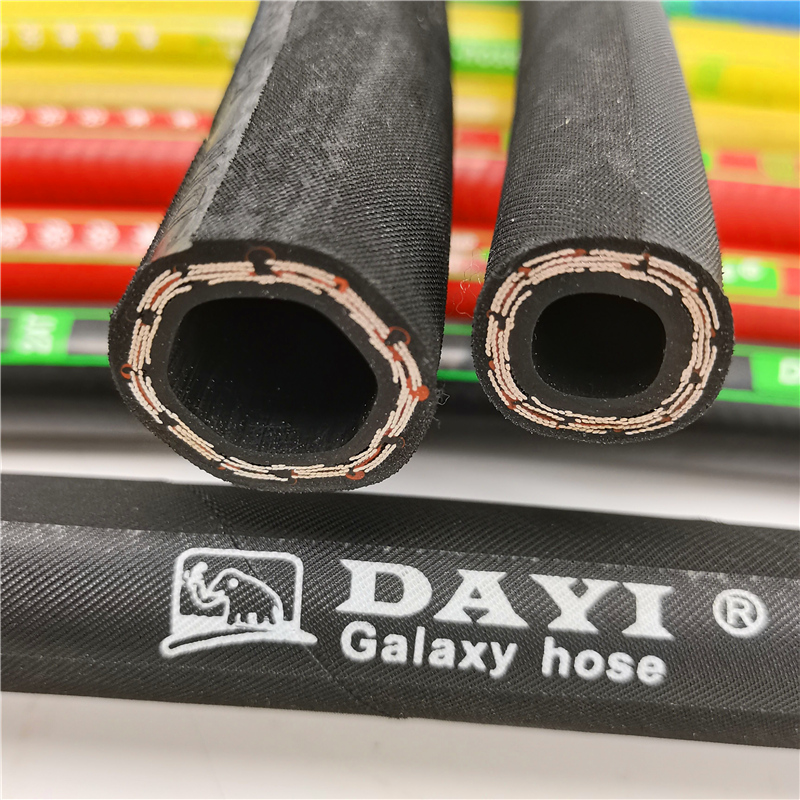
The predominant material used in the construction of China high pressure washer hoses is thermoplastic, specifically Polyurethane (PU) and Polyvinyl Chloride (PVC). PU offers superior abrasion resistance, flexibility, and burst strength, making it ideal for higher-pressure applications. PVC, while less expensive, provides adequate performance for lower-pressure consumer-grade washers. Reinforcement layers are crucial for withstanding internal pressure and preventing hose collapse. Common reinforcement materials include high-tensile strength textile braids (polyester or nylon) and steel wire helices. The number of layers and the material properties directly correlate with the hose’s working and burst pressure ratings.
Manufacturing processes typically involve extrusion of the inner and outer thermoplastic layers, followed by the application of reinforcement layers via braiding or winding. Extrusion parameters—temperature, pressure, and screw speed—are critical for achieving consistent wall thickness and material properties. Braiding involves interlacing yarns around a mandrel, with yarn tension and braid angle influencing the hose’s flexibility and burst strength. Steel wire winding utilizes a continuous helix of steel wire encased within the thermoplastic layers. Quality control throughout the manufacturing process is essential. Key parameters monitored include: material tensile strength, elongation at break, shore hardness (for thermoplastics), and braid density. Post-production testing includes hydrostatic pressure testing to verify burst pressure ratings and leak testing to ensure integrity. Improper extrusion can lead to material defects such as voids or inconsistencies, while inadequate braiding or winding results in reduced pressure resistance and potential failure.
Performance & Engineering
The performance of a high pressure washer hose is governed by several key engineering principles. The primary consideration is internal pressure containment. The hose must withstand the maximum operating pressure of the pressure washer, as well as pressure spikes that can occur during pump operation. Burst pressure is typically four times the working pressure, providing a safety margin. Hoop stress, the stress acting circumferentially within the hose wall, is directly proportional to pressure and radius, and inversely proportional to wall thickness. Therefore, maintaining consistent wall thickness and utilizing high-strength materials are crucial. Flexibility is another important factor, influencing the ease of use and maneuverability of the pressure washer. Kink resistance, particularly in smaller diameter hoses, is critical to ensure uninterrupted water flow. This is achieved through optimized reinforcement layer construction and material selection.
Environmental resistance is also paramount. Exposure to UV radiation, ozone, and various cleaning chemicals can degrade the thermoplastic material over time. UV stabilizers are often incorporated into the thermoplastic formulation to mitigate UV degradation. Chemical compatibility testing is essential to ensure the hose material is resistant to the specific cleaning solutions used. Temperature variations also affect hose performance. Extreme temperatures can reduce flexibility and alter material properties. Compliance requirements, such as those set by the European Machinery Directive and OSHA in the United States, dictate safety factors and testing procedures to ensure user safety. Force analysis, involving calculations of tensile, compressive, and shear stresses within the hose structure, is used during the design phase to optimize performance and durability.
Technical Specifications
| Parameter | Typical Value (Low-Pressure PVC Hose) | Typical Value (High-Pressure PU Hose) | Testing Standard |
|---|---|---|---|
| Working Pressure (MPa) | 1.0 - 2.0 | 10 - 25 | ISO 6945 |
| Burst Pressure (MPa) | 4.0 - 8.0 | 40 - 100 | ISO 6945 |
| Inner Diameter (mm) | 8 - 12 | 6 - 16 | GB/T 3649 |
| Outer Diameter (mm) | 14 - 18 | 14 - 28 | GB/T 3649 |
| Tensile Strength (MPa) | 15 - 20 | 25 - 35 | ASTM D2370 |
| Elongation at Break (%) | 200 - 300 | 300 - 500 | ASTM D2370 |
Failure Mode & Maintenance
High pressure washer hoses are susceptible to several failure modes. Fatigue cracking, induced by repeated pressure cycling, is a common issue, particularly at connection points. Delamination, the separation of reinforcement layers from the thermoplastic matrix, reduces the hose’s strength and can lead to catastrophic failure. Abrasion, caused by contact with abrasive surfaces, can wear away the outer layer, exposing the reinforcement and increasing the risk of rupture. Degradation due to UV exposure and chemical attack weakens the thermoplastic material, making it brittle and prone to cracking. Oxidation, particularly in PVC hoses, can lead to material embrittlement and loss of flexibility. Kinking, if persistent, can cause localized stress concentration and eventual failure.
Preventive maintenance is crucial for extending hose life. Regularly inspect the hose for signs of wear, cracks, blisters, or kinks. Avoid exposing the hose to extreme temperatures or harsh chemicals. After each use, thoroughly flush the hose with clean water to remove any residual cleaning agents. Store the hose in a cool, dry place away from direct sunlight. Properly coil the hose to avoid kinking. If damage is detected, immediately replace the hose. Connection points should be tightened securely, but avoid over-tightening, which can damage the fittings. Regular hydrostatic testing (performed by a qualified technician) can identify potential weaknesses before they lead to failure. Consider using a hose reel to facilitate storage and prevent damage.
Industry FAQ
Q: What is the primary difference between a PVC and PU high pressure washer hose in terms of application suitability?
A: PVC hoses are generally suitable for lower-pressure applications (typically under 2000 PSI) found in consumer-grade pressure washers. They are cost-effective but offer less abrasion resistance and flexibility. PU hoses are designed for higher-pressure systems (often exceeding 3000 PSI) common in professional and industrial settings. They provide superior durability, flexibility, and resistance to abrasion and chemicals, justifying the higher cost.
Q: How does the reinforcement material affect the hose's performance?
A: The reinforcement material is critical for determining the hose's burst pressure and kink resistance. Textile braids (polyester, nylon) provide flexibility and moderate pressure resistance, while steel wire helices offer significantly higher burst strength and prevent collapse under vacuum or high pressure. The number of layers also impacts performance; more layers generally equate to higher pressure capacity.
Q: What is the impact of UV exposure on the longevity of a high pressure washer hose?
A: UV radiation degrades the thermoplastic material, causing it to become brittle and lose flexibility. This can lead to cracking and premature failure. Hoses manufactured with UV stabilizers offer improved resistance, but prolonged exposure will still necessitate eventual replacement. Storage in a dark, cool location is the best preventative measure.
Q: What safety precautions should be taken when replacing a high pressure washer hose?
A: Always depressurize the system completely before disconnecting the hose. Inspect the fittings for damage and replace them if necessary. Ensure the new hose is compatible with the pressure washer’s specifications. Tighten connections securely, but avoid over-tightening. Conduct a leak test before full operation.
Q: How often should a high pressure washer hose be replaced?
A: Replacement frequency depends on usage and environmental conditions. Regular visual inspection is crucial. As a general guideline, hoses used frequently in demanding environments should be replaced every 1-2 years, while those used less often may last 3-5 years. Any signs of damage – cracking, blisters, kinks, or abrasion – necessitate immediate replacement.
Conclusion
China high pressure washer hoses are vital components within a diverse range of cleaning applications, with material selection, manufacturing precision, and engineering design converging to deliver reliable performance. The choice between PVC and PU materials, the method of reinforcement, and adherence to stringent quality control measures all significantly impact the hose's ability to withstand high pressures, resist environmental degradation, and ensure user safety. Understanding these technical nuances is essential for procurement managers and engineers seeking to optimize their pressure washing systems.
Looking ahead, advancements in thermoplastic materials, such as the development of more UV-resistant and chemical-resistant formulations, will likely enhance the durability and longevity of these hoses. Further refinement of braiding and winding techniques could lead to improved flexibility and kink resistance. Continued adherence to international standards and rigorous testing protocols will remain critical for maintaining product quality and ensuring user safety in this evolving industry.