
Apr . 01, 2024 17:55 Back to list
china high pressure thermoplastic hose Performance Analysis
Introduction
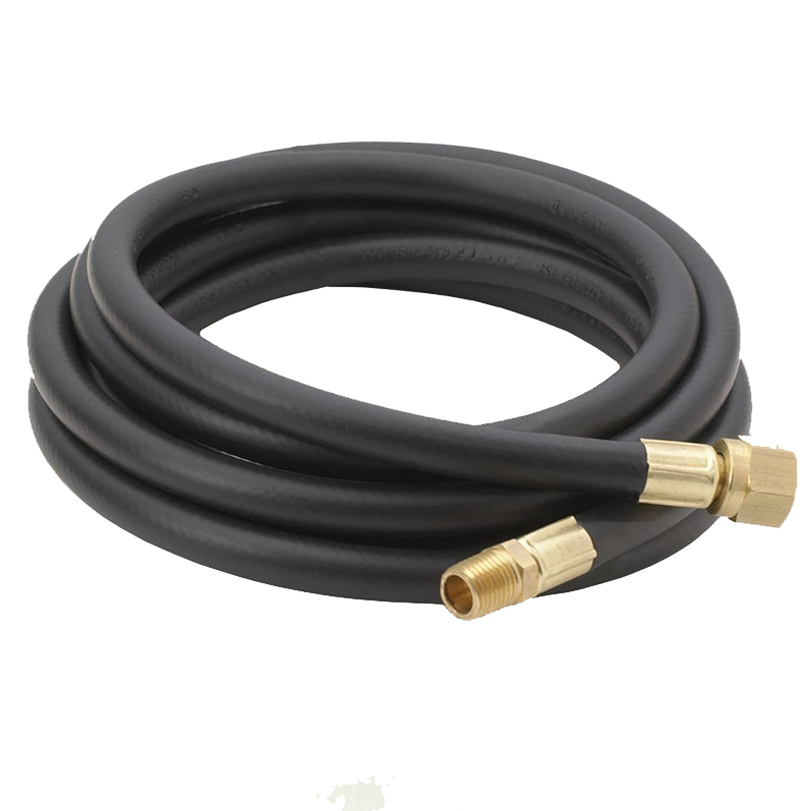
High-pressure thermoplastic hose represents a critical component in fluid transfer systems across diverse industrial applications, including hydraulic machinery, oil & gas, chemical processing, and automotive engineering. Originating from China, these hoses are increasingly prevalent due to their cost-effectiveness, robust performance characteristics, and adherence to international quality standards. Unlike traditional rubber hoses, thermoplastic construction offers superior resistance to abrasion, chemicals, and temperature extremes, diminishing permeation and extending service life. This guide provides a comprehensive analysis of the material science, manufacturing processes, performance parameters, failure modes, and maintenance protocols associated with China-manufactured high-pressure thermoplastic hose, serving as a technical resource for procurement, engineering, and maintenance professionals.
Material Science & Manufacturing
The core material of these hoses is typically a thermoplastic polymer, with Polyurethane (PU), Polyamide (Nylon – typically PA12), and Polypropylene (PP) being the most common choices. PA12 offers a particularly advantageous balance of mechanical strength, flexibility, and chemical resistance, making it favored in demanding applications. The manufacturing process begins with the extrusion of the thermoplastic inner tube. Precise control of extrusion temperature, screw speed, and die geometry are critical to ensure consistent wall thickness and dimensional accuracy. Reinforcement layers are then applied. These typically consist of high-tensile strength synthetic fibers—often polyester or aramid—arranged in a braided or spiralled configuration. The fiber count and braiding angle directly influence the hose’s burst pressure and flexibility. Following reinforcement, an outer protective layer, often made of a thermoplastic elastomer (TPE) or a specialized PU compound, is extruded. This provides abrasion resistance, UV protection, and resistance to environmental degradation. Key parameters during manufacturing include adhesion between layers (assessed through peel tests), dimensional stability (verified with calipers and laser scanning), and pressure testing to 1.5 times the working pressure to confirm structural integrity. Compounding of the thermoplastic polymer is a critical step. Additives like carbon black for UV resistance, plasticizers for flexibility, and stabilizers for thermal degradation are precisely blended to meet specific performance requirements. Quality control at each stage, including raw material inspection and in-process monitoring, is paramount.
Performance & Engineering
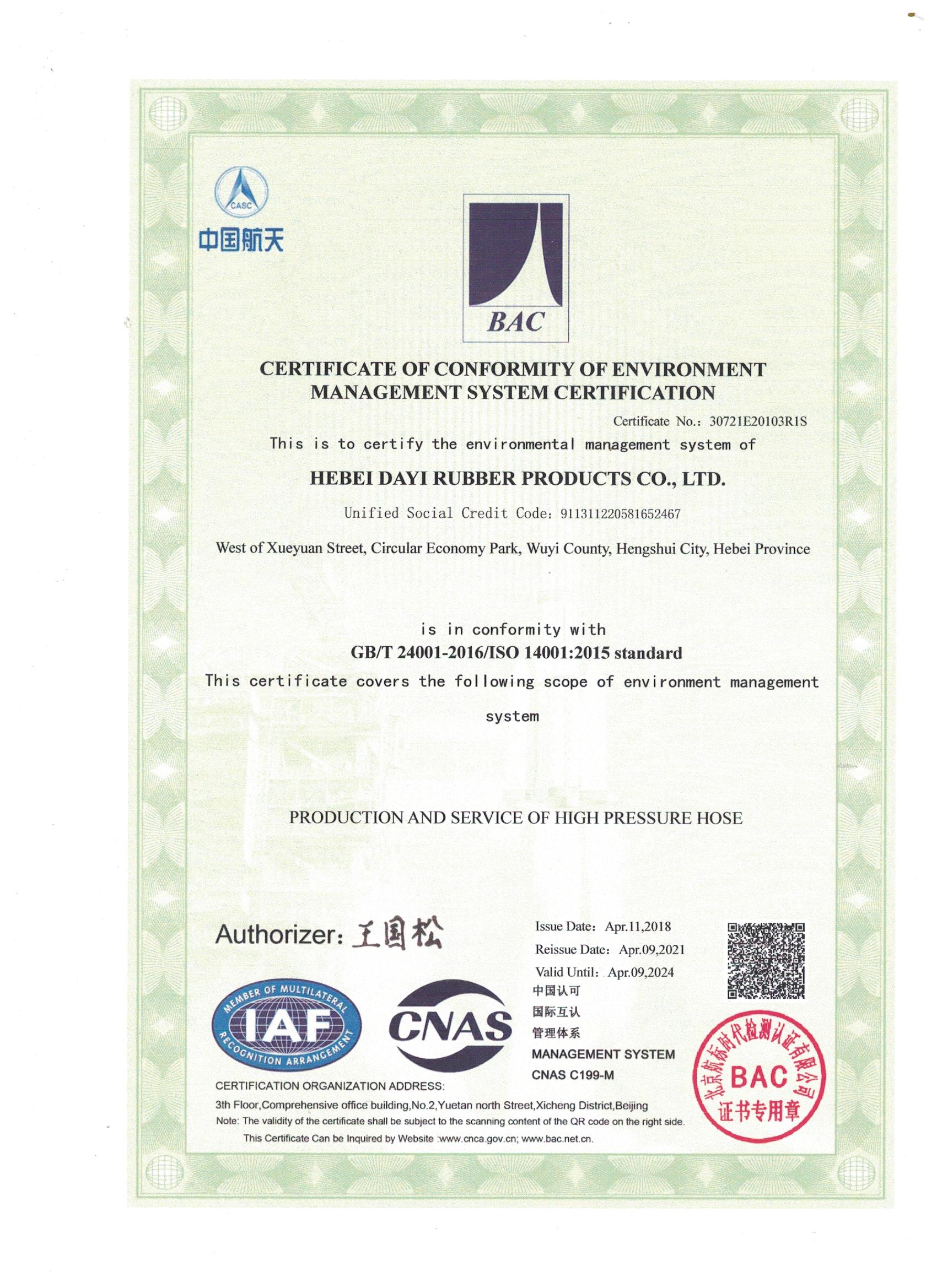
The performance of high-pressure thermoplastic hose is governed by several key engineering principles. Burst pressure, typically defined as the pressure at which the hose fails catastrophically, is dictated by the tensile strength of the reinforcement layers and the polymer matrix. Working pressure is significantly lower, typically 50-75% of the burst pressure, providing a safety factor. Hose flexibility, essential for ease of installation and handling, is determined by the polymer’s elastic modulus and the reinforcement configuration. A tighter braid angle increases pressure capacity but reduces flexibility. Permeation resistance—the rate at which fluids migrate through the hose wall—is critical in applications involving hazardous or environmentally sensitive materials. Thermoplastics generally exhibit lower permeation rates than rubber. Temperature range is a crucial consideration; both upper and lower temperature limits must be observed to prevent material degradation and loss of performance. Fatigue life—the hose's ability to withstand repeated pressure cycles—is often the limiting factor in long-term reliability. Finite Element Analysis (FEA) is frequently employed during the design phase to optimize hose geometry and reinforcement patterns for specific pressure and temperature conditions. Moreover, compliance with relevant industry standards, such as SAE J517 and EN 856, is essential for ensuring safety and performance.
Technical Specifications
| Parameter | Unit | PA12 (Standard Grade) | PU (Standard Grade) |
|---|---|---|---|
| Working Pressure | MPa | 31.5 | 20.7 |
| Burst Pressure | MPa | 103.4 | 69 |
| Temperature Range | °C | -40 to +85 | -30 to +70 |
| Inner Diameter | mm | 6 – 50 | 4 – 38 |
| Outer Diameter | mm | 10 – 63 | 8 – 51 |
| Reinforcement | Type | Polyester/Aramid Braid | Polyester Braid |
Failure Mode & Maintenance
Common failure modes in high-pressure thermoplastic hose include burst failure due to exceeding the working pressure, fatigue cracking resulting from repeated pressure cycling, abrasion damage from external contact, and permeation-induced degradation of the polymer matrix. Fatigue cracks often initiate at points of high stress concentration, such as crimp fittings or areas of localized damage. Chemical attack, particularly from aggressive fluids, can lead to swelling, softening, and eventual failure. UV exposure can cause embrittlement and cracking of the outer protective layer. Regular visual inspection for cuts, abrasions, bulges, and leaks is critical. Hose connections should be checked for proper tightening and absence of corrosion. Pressure testing should be performed periodically to verify the hose’s structural integrity. When replacing hoses, it's essential to use compatible fittings and to follow the manufacturer’s recommended torque specifications. Avoid sharp bends and kinking during installation and operation. Store hoses in a cool, dry place away from direct sunlight and chemical exposure. Damaged hoses should be immediately removed from service and replaced. Furthermore, correct fluid compatibility is essential; selecting a hose material that is incompatible with the conveyed fluid will lead to rapid degradation and failure.
Industry FAQ
Q: What is the primary advantage of a thermoplastic hose over a traditional rubber hose in a chemical processing environment?
A: Thermoplastic hoses generally exhibit significantly superior chemical resistance compared to rubber hoses. Rubber is susceptible to swelling, degradation, and permeation by many common industrial chemicals, whereas thermoplastics like PA12 offer a broader range of compatibility and lower permeation rates, resulting in a longer service life and reduced risk of chemical exposure.
Q: How does the braiding angle affect the hose’s performance characteristics?
A: A smaller braiding angle generally increases the hose’s resistance to pressure but reduces its flexibility. A larger braiding angle enhances flexibility but lowers the pressure rating. The optimal braiding angle is a compromise between these two factors, tailored to the specific application requirements. FEA modeling is used to determine the best braiding angle for a given set of operational parameters.
Q: What is the significance of the 'burst pressure' specification, and how does it relate to safe working conditions?
A: Burst pressure represents the maximum pressure the hose can withstand before catastrophic failure. It is a critical safety parameter. The working pressure, which is the recommended maximum operating pressure, is significantly lower than the burst pressure – typically 50-75% – to provide a substantial safety factor. Exceeding the working pressure significantly increases the risk of hose failure and potential injury.
Q: How do temperature fluctuations affect the performance and lifespan of a thermoplastic hose?
A: Both excessively high and low temperatures can negatively impact thermoplastic hoses. High temperatures can cause softening, plasticization, and reduced tensile strength. Low temperatures can lead to embrittlement and cracking. Operating within the specified temperature range is crucial for maintaining performance and maximizing lifespan. Prolonged exposure to temperatures outside this range will accelerate degradation.
Q: What maintenance procedures are recommended to ensure the longevity of a high-pressure thermoplastic hose?
A: Regular visual inspections are paramount, looking for signs of abrasion, cuts, bulges, and leaks. Check connections for tightness and corrosion. Periodic pressure testing should be performed. Proper storage – cool, dry, away from UV and chemicals – is also crucial. Avoid sharp bends and kinking during operation, and ensure fluid compatibility.
Conclusion
China-manufactured high-pressure thermoplastic hose has emerged as a reliable and cost-effective solution for demanding fluid transfer applications. Its superior chemical resistance, temperature stability, and abrasion resistance, coupled with stringent manufacturing processes, position it as a viable alternative to traditional rubber hoses. Understanding the interplay between material properties, manufacturing parameters, and performance characteristics is crucial for proper selection, installation, and maintenance.
Continued advancements in thermoplastic polymer technology and reinforcement techniques will further enhance the performance and durability of these hoses. Future developments may focus on improved permeation resistance, increased temperature range, and enhanced fatigue life. Adherence to international standards and rigorous quality control protocols will be essential to maintain the competitiveness and reliability of China-manufactured high-pressure thermoplastic hose in the global marketplace.