
Apr . 01, 2024 17:55 Back to list
china high pressure steel wire braided hydraulic hose Performance Analysis
Introduction
High pressure steel wire braided hydraulic hose is a critical component in hydraulic systems across a vast spectrum of industries, including construction machinery, agricultural equipment, material handling, and industrial manufacturing. Positioned as a flexible conduit for the transmission of hydraulic fluid under substantial pressure, its performance directly impacts the efficiency, reliability, and safety of the systems it serves. These hoses, manufactured extensively in China, have become globally prevalent due to competitive pricing and increasing quality standards. The core performance characteristics are defined by working pressure, burst pressure, temperature range, fluid compatibility, and resistance to abrasion and kinking. This guide will detail the material science, manufacturing processes, performance criteria, failure modes, and maintenance protocols pertinent to these hoses, with specific reference to internationally recognized standards. A key industry pain point revolves around maintaining consistent quality control, particularly regarding steel wire braiding integrity and rubber compound consistency, to ensure long-term operational reliability and minimize catastrophic failures.
Material Science & Manufacturing
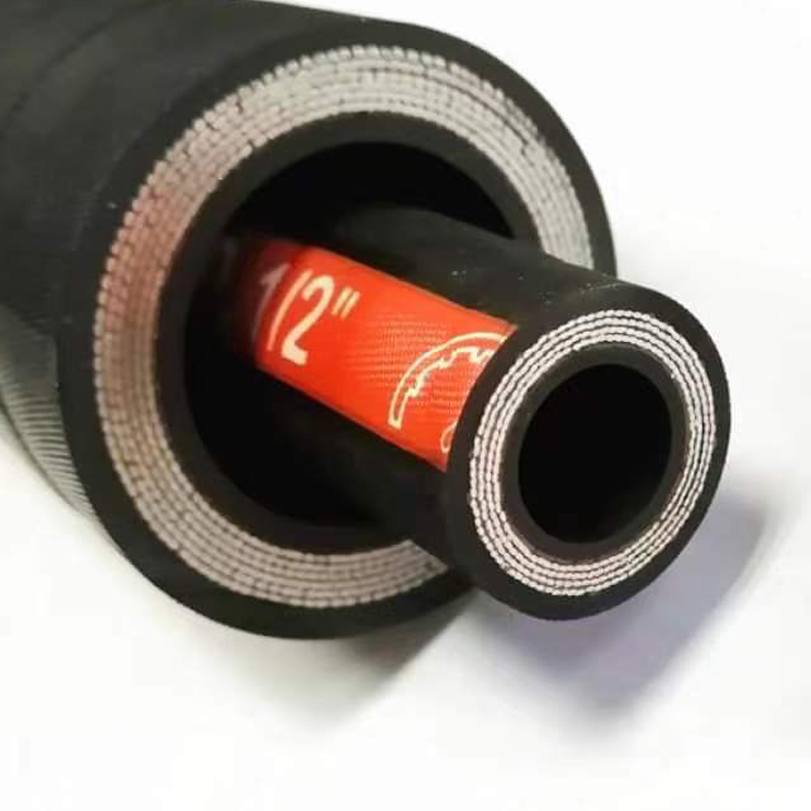
The construction of a high-pressure steel wire braided hydraulic hose fundamentally relies on the synergistic properties of several materials. The inner tube, typically composed of synthetic rubber compounds like Nitrile (NBR), Chloroprene (CR), or Ethylene Propylene Diene Monomer (EPDM), provides fluid resistance. NBR is favored for oil-based hydraulic fluids, CR for heat and weathering resistance, and EPDM for phosphate ester fluids. The reinforcement layer, consisting of high-tensile steel wire, provides the pressure resistance. Steel wire quality, specifically tensile strength and surface finish, is paramount. Multiple layers of braiding, typically two or four, dictate the hose’s working and burst pressures. The outer cover, also a synthetic rubber compound (often a blend of SBR and NBR), provides abrasion, weathering, and ozone protection. Manufacturing begins with extrusion of the inner tube to precise dimensions. Steel wire is then spirally wound around the inner tube using specialized braiding machines, maintaining consistent wire tension and pitch is critical. The outer cover is subsequently extruded, and the hose is cured via a vulcanization process, typically involving steam or hot air at controlled temperatures (150-180°C) and pressures. Post-curing, dimensional checks, pressure testing (hydrostatic testing), and leak testing are essential quality control steps. Precise control of rubber compound formulations (polymer ratios, plasticizer content, filler type) dictates flexibility, temperature resistance and fluid compatibility. Improper curing leads to incomplete crosslinking reducing tensile strength and chemical resistance.
Performance & Engineering
The performance of a steel wire braided hydraulic hose is governed by several engineering principles. The hose must withstand internal pressure without deformation or rupture. Force analysis dictates the necessary steel wire tensile strength and braiding angle to resist hoop stress. Burst pressure is typically four times the working pressure, representing a safety factor. Flexibility is crucial, and bending radius limitations must be observed to prevent kinking and subsequent hose failure. Temperature fluctuations impact rubber compound elasticity and fluid viscosity, influencing performance. Hose selection must consider the operating temperature range and fluid type. Environmental resistance, specifically resistance to ozone, UV radiation, and chemical exposure, is vital for outdoor applications. Compliance with industry standards (detailed later) mandates specific performance testing procedures, including impulse testing (cyclic pressure application) and fatigue testing. A key engineering challenge is managing the interaction between the steel wire braiding and the rubber compound. Galvanic corrosion can occur if dissimilar metals are used, necessitating proper material selection and protective coatings. Furthermore, the hose’s end fitting crimp integrity is critical. Inadequate crimping can lead to leakage or hose blow-off under pressure. Accurate crimp dimensions, material compatibility between fitting and hose, and proper crimping tooling are essential.
Technical Specifications
| Parameter | Unit | Typical Value (SAE 100R2AT Equivalent) | Test Standard |
|---|---|---|---|
| Working Pressure | MPa | 20.7 | SAE J517 |
| Burst Pressure | MPa | 82.7 | SAE J517 |
| Temperature Range | °C | -40 to +100 | SAE J517 |
| Inner Tube Material | - | NBR (Nitrile Butadiene Rubber) | ASTM D2000 |
| Reinforcement | - | Two Steel Wire Braids | SAE J517 |
| Outer Cover Material | - | SBR (Styrene Butadiene Rubber) | ASTM D2000 |
| Minimum Bending Radius | mm | 4D (D=Hose ID) | Manufacturer Specification |
Failure Mode & Maintenance
Failure modes in steel wire braided hydraulic hoses are diverse. The most common include: Fatigue cracking: Caused by repeated flexing and pressure cycling, leading to wire breakage and rubber degradation. Abrasion: External abrasion from contact with surrounding surfaces can compromise the outer cover, exposing the reinforcement. Kinking: Sharp bends exceeding the minimum bending radius cause localized stress and damage. Corrosion: Galvanic corrosion between steel wire and rubber, or external corrosion from chemical exposure. Blow-out: Failure of the hose or end fitting due to exceeding the working pressure. Delamination: Separation of the rubber layers from the steel wire braiding. Oxidation: Degradation of the rubber compound due to prolonged exposure to oxygen and ozone. Maintenance is crucial for extending hose life. Regular visual inspection for abrasions, kinks, and leaks is essential. Hose routing should minimize bending and contact with abrasive surfaces. Fluid compatibility should be verified to prevent rubber swelling or degradation. Pressure spikes should be avoided. End fittings should be inspected for corrosion and proper crimping. When replacing hoses, use the correct hose size, material, and pressure rating. Proper storage in a cool, dry, and dark environment is also vital to prevent premature degradation. Furthermore, implement a scheduled hose replacement program based on operational conditions and manufacturer’s recommendations.
Industry FAQ
Q: What is the significance of the “dash size” designation (e.g., -6, -8, -10) in hydraulic hose sizing?
A: The dash size refers to the inner diameter (ID) of the hose in sixteenths of an inch. For example, a -6 hose has a 6/16 inch, or 3/8 inch, ID. Selecting the correct dash size is crucial for maintaining proper flow rate and minimizing pressure drop within the hydraulic system.
Q: How does the number of steel wire braids impact a hose’s pressure rating?
A: Generally, increasing the number of steel wire braids directly increases the hose's pressure rating. Each layer of braiding provides additional reinforcement to withstand internal pressure. A four-layer braid hose will have a significantly higher working and burst pressure than a two-layer braid hose.
Q: What is the impact of using incompatible hydraulic fluid with a specific hose material?
A: Using an incompatible fluid can cause the rubber compound to swell, soften, or degrade, leading to premature failure. For example, using a petroleum-based fluid with a hose designed for phosphate ester fluids will cause rapid deterioration. Always verify fluid compatibility before use.
Q: What are the best practices for preventing corrosion in steel wire braided hydraulic hoses?
A: Use hoses with corrosion-resistant steel wire (e.g., stainless steel in corrosive environments). Ensure proper end fitting material compatibility. Avoid exposure to corrosive chemicals. Regularly inspect for signs of corrosion and replace hoses as needed. Apply corrosion inhibitors to exposed steel wire if necessary.
Q: What are the implications of exceeding the minimum bending radius specification?
A: Exceeding the minimum bending radius creates localized stress concentrations within the hose construction. This can lead to kinking, internal damage to the reinforcement, and premature failure, even if the hose hasn't exceeded its pressure rating. Maintaining the specified bending radius is critical for long-term reliability.
Conclusion
China-manufactured high-pressure steel wire braided hydraulic hoses represent a critical component in countless hydraulic systems. Their performance is intrinsically linked to the careful selection of materials, precise manufacturing control, and adherence to rigorous quality standards. Understanding the interplay between rubber compound properties, steel wire integrity, and engineering principles is essential for ensuring reliable operation and minimizing the risk of catastrophic failures.
Looking ahead, continued advancements in rubber technology, braiding techniques, and non-destructive testing methods will further enhance the performance and longevity of these hoses. Prioritizing proactive maintenance programs and comprehensive failure analysis will remain paramount for maximizing system uptime and safety. The ability to consistently meet or exceed demanding industry standards like those outlined below will be the key to continued success in the global hydraulic hose market.