
Apr . 01, 2024 17:55 Back to list
china high pressure hydraulic rubber hose Performance Analysis
Introduction
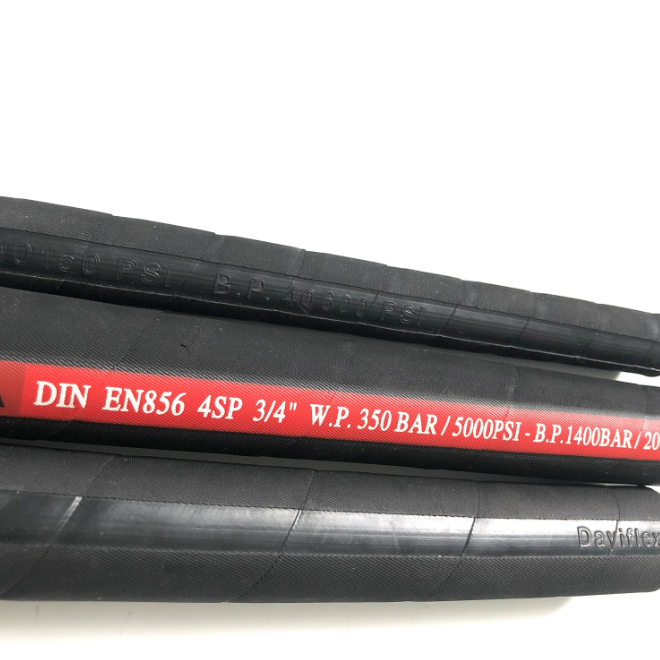
High pressure hydraulic rubber hose, manufactured in China, constitutes a critical component in fluid power systems across diverse industries including construction, agriculture, material handling, and manufacturing. These hoses are engineered to safely and efficiently transmit hydraulic fluid under extreme pressures, facilitating the operation of hydraulic machinery. Their technical position within the industry chain is as a final assembly component, reliant on upstream production of synthetic rubber polymers, reinforcing materials, and coupling technologies. Core performance characteristics revolve around pressure rating, burst pressure, temperature range, fluid compatibility, and resistance to abrasion and fatigue. A key industry pain point is maintaining consistent quality control across a vast and fragmented manufacturing base, leading to concerns about reliability and safety. Furthermore, ensuring compliance with increasingly stringent international safety standards is a constant challenge for both manufacturers and end-users.
Material Science & Manufacturing
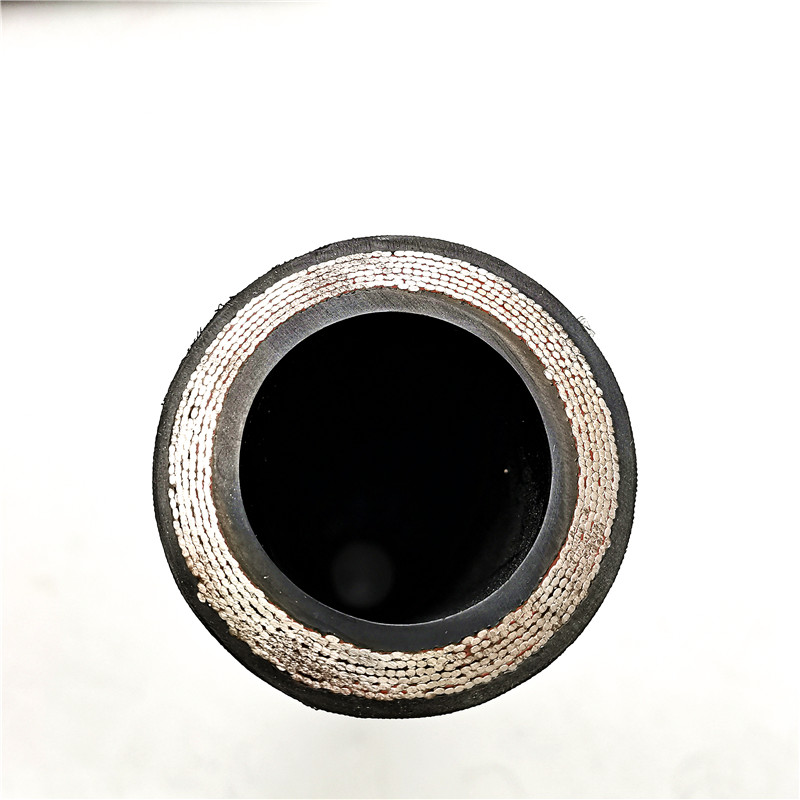
The core material of a high-pressure hydraulic hose is a synthetic rubber compound, typically based on nitrile rubber (NBR), ethylene propylene diene monomer (EPDM), or chloroprene rubber (CR), selected based on fluid compatibility and temperature requirements. NBR excels in oil resistance, EPDM in heat and weather resistance, and CR offers a balance of properties. Reinforcement layers are crucial, commonly employing high-tensile steel wire, either spirally wound or braided, to withstand internal pressure. The cover layer, often a blended rubber compound, provides abrasion and weather protection. Manufacturing begins with the extrusion of the inner tube, followed by the application of reinforcement layers using winding or braiding machines. Parameter control is paramount; precise control of rubber compound formulation (polymer type, plasticizer content, filler loading), winding tension, and curing temperature (typically between 140-180°C) are vital. Improper curing can lead to incomplete vulcanization, reducing strength and increasing susceptibility to degradation. Post-curing, the hose undergoes pressure testing to verify burst pressure and leak tightness. Coupling attachment, often via swaging or crimping, is another critical step, requiring precise dimensional control and material compatibility between hose and fitting.
Performance & Engineering
The performance of a hydraulic hose is dictated by its ability to withstand internal pressure without failure. Force analysis involves calculating hoop stress within the hose wall, which is directly proportional to pressure and radius, and inversely proportional to wall thickness. Burst pressure is typically four times the working pressure, providing a safety factor. Environmental resistance is critical; prolonged exposure to UV radiation, ozone, and extreme temperatures can degrade the rubber compound, reducing its flexibility and strength. Hydraulic fluid compatibility is also crucial; incompatible fluids can cause swelling, softening, or cracking of the inner tube. Compliance requirements vary by region but generally include adherence to SAE J517 (pressure rating and performance), ISO 6899 (high-pressure hydraulic hose assemblies), and EN 856 (hydraulic hoses – steel wire reinforced). Functional implementation involves careful hose routing to avoid kinking, twisting, and abrasion. Selecting the appropriate hose based on pressure, temperature, fluid type, and application is paramount to ensure long-term reliability and prevent catastrophic failure. Fatigue life is another key consideration, especially in applications with pulsating pressures.
Technical Specifications
| Working Pressure (MPa) | Burst Pressure (MPa) | Temperature Range (°C) | Inner Tube Material |
|---|---|---|---|
| 16 | 64 | -40 to +100 | NBR (Nitrile Rubber) |
| 21 | 84 | -40 to +120 | NBR (Nitrile Rubber) |
| 25 | 100 | -40 to +150 | EPDM (Ethylene Propylene Diene Monomer) |
| 31.5 | 126 | -40 to +150 | NBR (Nitrile Rubber) |
| 35 | 140 | -40 to +120 | CR (Chloroprene Rubber) |
| 42 | 168 | -40 to +100 | NBR (Nitrile Rubber) |
Failure Mode & Maintenance
Common failure modes in high-pressure hydraulic hoses include burst failure due to exceeding pressure limits, pinhole leaks resulting from abrasion or internal degradation, and cracking caused by ozone exposure or fluid incompatibility. Fatigue cracking occurs from repeated pressure cycling, initiating at stress concentrations (e.g., coupling interfaces). Delamination can occur between reinforcement layers and the rubber matrix, compromising strength. Oxidation of the rubber compound leads to hardening and cracking over time. Maintenance practices include regular visual inspections for signs of abrasion, cracking, or swelling. Hose assemblies should be flexed during inspection to identify any stiffness or internal damage. Fluid contamination can accelerate degradation; therefore, maintaining clean hydraulic fluid is crucial. Couplings should be inspected for tightness and corrosion. Replacing hoses based on a preventative maintenance schedule, rather than waiting for failure, is recommended. Proper hose routing and support are essential to prevent kinking, twisting, and abrasion. When replacing a hose, ensure the new hose has the same or higher pressure and temperature rating as the original.
Industry FAQ
Q: What is the impact of hydraulic fluid type on hose selection?
A: Hydraulic fluid compatibility is paramount. Using a fluid incompatible with the hose's inner tube can cause swelling, softening, or cracking, leading to premature failure. For example, phosphate ester fluids require specialized hose materials (e.g., EPDM or fluoropolymer) due to their aggressive chemical properties. Always consult the hose manufacturer's compatibility chart.
Q: How does temperature affect the lifespan of a hydraulic hose?
A: Extreme temperatures accelerate the degradation of rubber compounds. High temperatures can cause hardening and cracking, while low temperatures can reduce flexibility and increase susceptibility to damage. Operating outside the hose's specified temperature range significantly reduces its lifespan.
Q: What are the common causes of hose burst failure?
A: Exceeding the hose's working pressure is the most common cause. Other causes include internal damage (e.g., from contaminated fluid or abrasion), fatigue cracking from repeated pressure cycling, and defects in the hose construction.
Q: What is the best practice for hose routing to maximize its lifespan?
A: Avoid sharp bends, kinks, and twisting. Provide adequate support to prevent abrasion against other components. Maintain sufficient clearance between the hose and moving parts. Ensure the hose is not stretched or subjected to excessive tension.
Q: How often should hydraulic hoses be replaced as a preventative measure?
A: Replacement frequency depends on the application and operating conditions. As a general guideline, hoses should be inspected annually and replaced every 5-7 years, or sooner if signs of damage are observed. Critical applications may require more frequent replacement.
Conclusion
High pressure hydraulic rubber hose, particularly those manufactured in China, represent a complex interplay of material science, precision manufacturing, and rigorous performance testing. Maintaining consistent quality control and adherence to international standards are critical to ensure safety and reliability. The selection of the appropriate hose for a specific application necessitates a thorough understanding of pressure requirements, fluid compatibility, temperature ranges, and environmental conditions.
Looking ahead, advancements in rubber compound technology and reinforcement materials will likely lead to hoses with improved durability, higher pressure ratings, and extended service life. Furthermore, the integration of sensor technology into hose assemblies will enable real-time monitoring of pressure, temperature, and structural integrity, facilitating predictive maintenance and preventing catastrophic failures. Continuous improvement in manufacturing processes and quality control will remain paramount to address ongoing industry concerns.