
Apr . 01, 2024 17:55 Back to list
china high pressure hydraulic hose Performance Analysis
Introduction
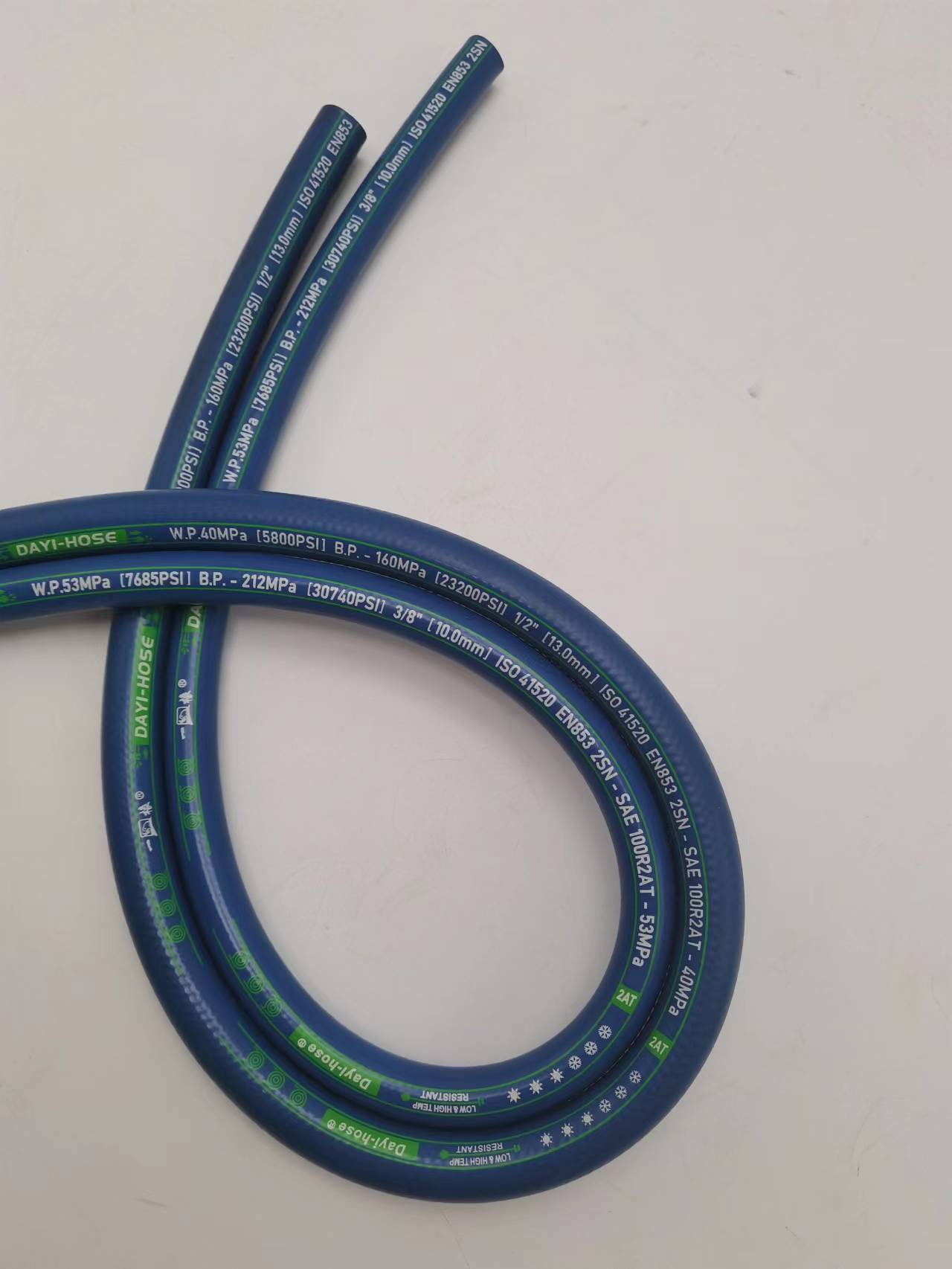
High-pressure hydraulic hose manufactured in China represents a significant component in fluid power systems across diverse industries, including construction, agriculture, manufacturing, and oil & gas. These hoses are engineered to safely transmit hydraulic fluid to actuators and hydraulic motors, enabling the operation of heavy machinery. Their technical position within the industry chain is critical; they function as the vital link between hydraulic power units and the end application, demanding high reliability and burst resistance. Core performance characteristics are defined by working pressure, burst pressure, temperature range, and fluid compatibility, with the industry trending towards lighter weight, increased flexibility, and enhanced chemical resistance to extend service life and reduce operational costs. A key pain point within the industry is ensuring consistent quality and adherence to international safety standards, particularly given the varying levels of manufacturing capabilities amongst Chinese producers. This guide provides an in-depth technical overview of these hoses, covering material science, manufacturing processes, performance characteristics, failure modes, and relevant industry standards.
Material Science & Manufacturing
The construction of a high-pressure hydraulic hose typically involves four key layers: the inner tube, reinforcement layers, outer cover, and in some cases, a bonding layer between the tube and reinforcement. The inner tube is commonly composed of synthetic rubbers like nitrile (NBR) offering excellent resistance to petroleum-based hydraulic fluids, or fluoroelastomers (FKM, Viton) for applications requiring resistance to high temperatures and aggressive chemicals. NBR exhibits a Shore A hardness range of 40-90, impacting flexibility and fluid compatibility. The reinforcement layer is crucial for withstanding internal pressure and provides the hose's strength. This layer typically consists of multiple spiraled or braided high-tensile steel wire, offering varying degrees of pressure capability. High-carbon steel wire (SAE 1009, 1010) is standard, with surface treatments like zinc plating to prevent corrosion. Braiding angles and wire diameters significantly affect burst pressure and flexibility – tighter angles and thicker wires yield higher pressures but reduced flexibility. The outer cover, typically made from chlorinated polyethylene (CPE) or polyurethane (PU), provides abrasion resistance, weather protection, and resistance to oil and ozone. CPE is common due to its cost-effectiveness, while PU offers superior abrasion and oil resistance. Manufacturing processes include extrusion for the inner tube and outer cover, followed by precise winding or braiding of the reinforcement layers. Critical parameters controlled during manufacturing include rubber compound mixing ratios, extrusion temperatures, braiding tension, curing time and temperature, and dimensional tolerances. Improper curing can lead to reduced rubber elasticity and premature failure. Quality control focuses on burst pressure testing, impulse testing, dimensional checks, and adherence to relevant material specifications (e.g., steel wire tensile strength). The bonding layer, often a synthetic rubber compound, ensures adhesion between the tube and reinforcement, preventing separation under pressure.
Performance & Engineering
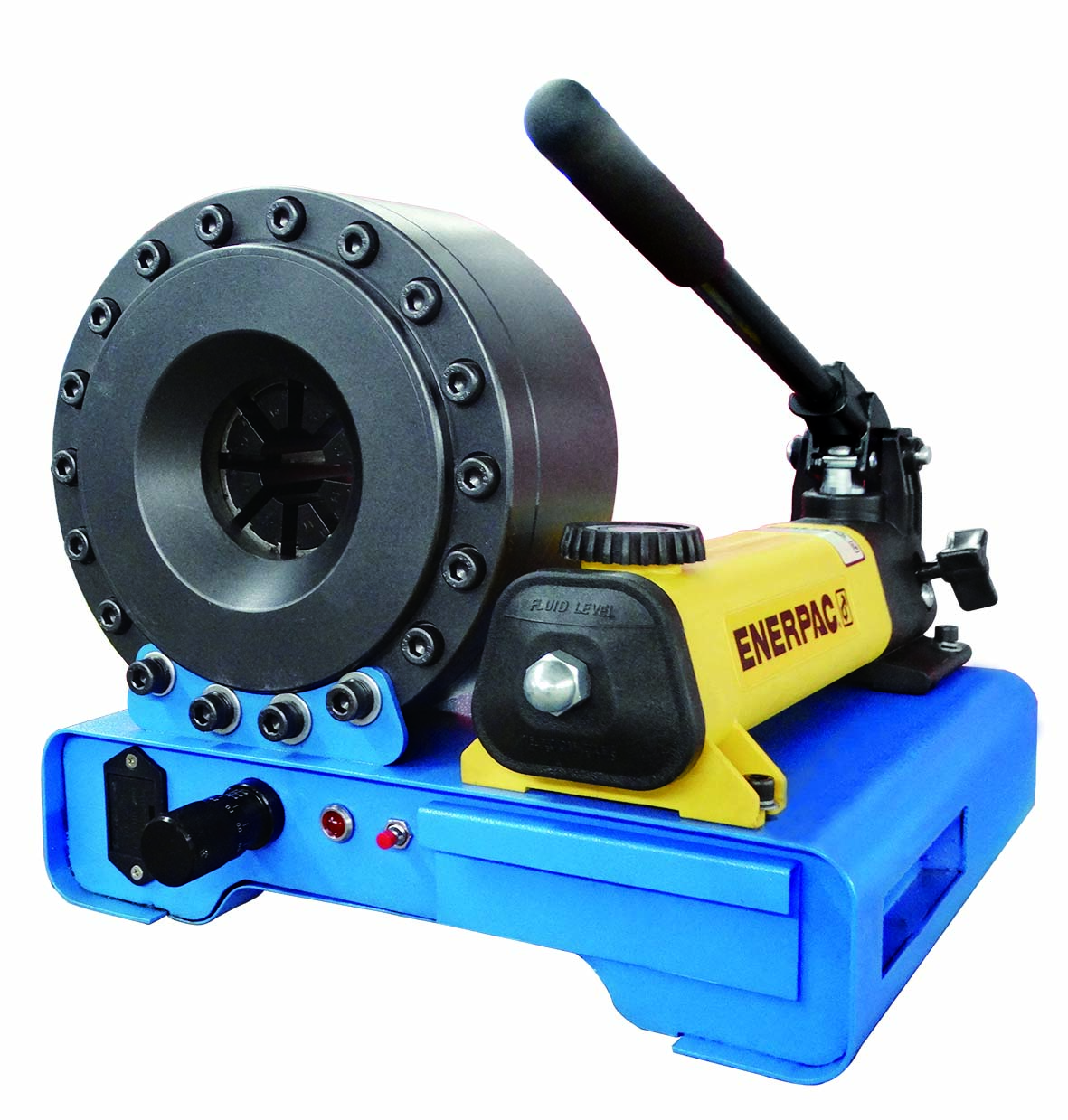
The performance of a high-pressure hydraulic hose is fundamentally dictated by its ability to withstand internal pressure without failure, maintain fluid integrity, and resist environmental degradation. Force analysis centers on hoop stress within the hose wall, calculated using the Barlow’s formula (σ = PD/2t, where σ is hoop stress, P is internal pressure, D is inner diameter, and t is wall thickness). The reinforcement layers must provide sufficient tensile strength to counteract this stress. Impulse pressure, characterized by rapid pressure fluctuations, induces fatigue stress, necessitating robust reinforcement construction and materials with high fatigue resistance. Environmental resistance is crucial; exposure to ozone, UV radiation, extreme temperatures, and corrosive fluids can degrade the rubber compounds, reducing flexibility and ultimately causing failure. Compliance requirements are stringent and vary by region. SAE J517, EN 853, and DIN EN 489 are prominent standards defining hose construction, performance criteria, and testing procedures. Functional implementation requires consideration of bend radius; exceeding the minimum bend radius induces kinking and stress concentration, leading to premature failure. Hose assemblies also require proper fitting selection and crimping to ensure a leak-proof and secure connection. Improper crimping can lead to fitting slippage or hose rupture. The coefficient of thermal expansion of the hose material must also be considered in system design to account for length changes due to temperature variations.
Technical Specifications
| Working Pressure (MPa) | Burst Pressure (MPa) | Temperature Range (°C) | Inner Tube Material |
|---|---|---|---|
| 16 | 48 | -40 to +100 | NBR (Nitrile Rubber) |
| 21 | 63 | -40 to +120 | NBR (Nitrile Rubber) |
| 25 | 75 | -40 to +150 | FKM (Viton) |
| 31.5 | 94.5 | -40 to +120 | NBR (Nitrile Rubber) with Spiral Steel Reinforcement |
| 35 | 105 | -40 to +150 | FKM (Viton) with Spiral Steel Reinforcement |
| 42 | 126 | -40 to +100 | NBR (Nitrile Rubber) with Double Steel Wire Braid |
Failure Mode & Maintenance
High-pressure hydraulic hoses are susceptible to several failure modes in practical applications. Fatigue cracking, initiated by repeated pressure cycles, is a common issue, particularly in hoses subjected to impulse pressures or excessive bending. This manifests as small cracks in the reinforcement layer, gradually propagating until catastrophic failure. Delamination, the separation of the hose layers (inner tube, reinforcement, outer cover), occurs due to inadequate bonding between layers or exposure to aggressive fluids. Oxidation of the rubber compounds, accelerated by exposure to oxygen, ozone, and UV radiation, leads to hardening, cracking, and loss of flexibility. Abrasion damage to the outer cover, caused by contact with abrasive surfaces, exposes the reinforcement layer to corrosion and compromises the hose's integrity. Internal erosion, due to particulate contamination in the hydraulic fluid, can gradually wear away the inner tube wall. Regular inspection is critical for preventative maintenance. Visual inspection should focus on detecting cuts, abrasions, bulges, kinks, and oil leakage. Hose assemblies should be checked for proper fitting crimp integrity. Periodic pressure testing, while potentially risky, can identify hoses nearing the end of their service life. When replacing hoses, it's crucial to use compatible fittings and follow the manufacturer's recommended torque specifications. Proper fluid filtration is essential to minimize internal erosion. Hoses should be stored in a cool, dry, and dark environment to prevent degradation during storage. Record keeping of hose replacement dates and operating conditions can aid in predictive maintenance strategies.
Industry FAQ
Q: What is the significance of the hose's 'dash size' and how does it relate to flow rate?
A: The dash size (e.g., -6, -8, -10) refers to the internal diameter of the hose in sixteenths of an inch. A larger dash size corresponds to a larger internal diameter and therefore a higher potential flow rate. However, flow rate is also influenced by hose length, fluid viscosity, and pressure drop. Simply increasing the dash size doesn’t guarantee improved flow if other factors are limiting.
Q: What are the implications of using a hose with a temperature rating insufficient for the application?
A: Using a hose with an inadequate temperature rating can lead to premature degradation of the rubber compounds, resulting in reduced flexibility, cracking, and ultimately, hose failure. High temperatures accelerate oxidation and can cause the inner tube to soften and swell, potentially leading to leakage or blockage. Conversely, low temperatures can cause the hose to become brittle and susceptible to cracking.
Q: How does the reinforcement type (spiral vs. braid) impact hose performance and application suitability?
A: Spiral reinforcement generally offers higher pressure ratings and is better suited for applications with significant impulse pressures. It also provides greater flexibility than braided reinforcement. Braided reinforcement, typically consisting of multiple layers of wire braid, offers good flexibility and is cost-effective for lower-pressure applications. The choice depends on the specific pressure, impulse, and bending requirements of the system.
Q: What are the key considerations when selecting a hose fitting material?
A: Fitting material must be compatible with both the hose and the hydraulic fluid. Common materials include carbon steel, stainless steel, and brass. Carbon steel is often used for general applications, while stainless steel offers superior corrosion resistance. Brass is suitable for low-pressure applications and certain fluid types. Galvanic corrosion can occur if dissimilar metals are used in contact with each other in the presence of an electrolyte (hydraulic fluid), so careful material selection is crucial.
Q: What is the role of impulse testing and how is it different from burst testing?
A: Burst testing determines the maximum pressure a hose can withstand before catastrophic failure. Impulse testing, however, simulates the effects of repeated pressure fluctuations and assesses the hose's resistance to fatigue. A hose can pass a burst test but still fail an impulse test, indicating a weakness in its ability to withstand dynamic pressure loads. Impulse testing is particularly important for applications involving hydraulic hammers, directional control valves, and other equipment that generate rapid pressure changes.
Conclusion
China-manufactured high-pressure hydraulic hoses have become integral to global fluid power systems. Understanding the interplay between material science – specifically the properties of rubbers and steel alloys – and the manufacturing processes employed is paramount for ensuring reliability and safety. Proper selection based on working pressure, temperature range, fluid compatibility, and application-specific demands is crucial.
Continued advancements in polymer technology and reinforcement techniques will likely drive improvements in hose performance, extending service life and reducing the overall cost of ownership. A focus on stringent quality control and adherence to international standards (SAE, EN, DIN) remains vital to address concerns regarding consistency and build confidence in the Chinese hydraulic hose industry.