
Apr . 01, 2024 17:55 Back to list
china high pressure hydraulic hose manufacturer Performance Analysis
Introduction
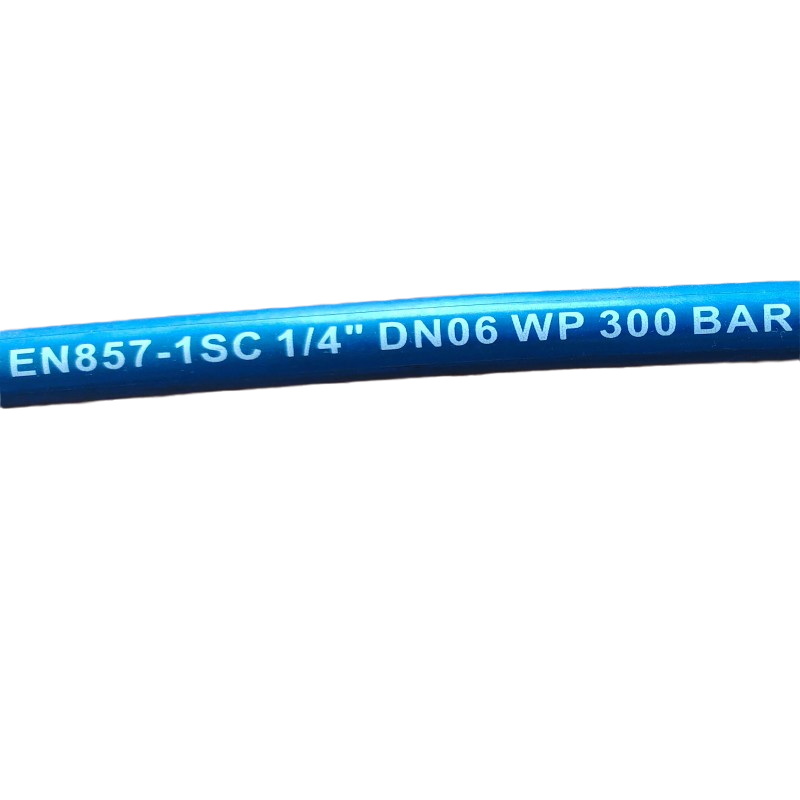
High-pressure hydraulic hoses manufactured in China represent a critical component in fluid power systems across diverse industrial sectors, including construction, agriculture, manufacturing, and oil & gas. These hoses are engineered to reliably transmit hydraulic fluid under extreme pressure, facilitating the operation of heavy machinery and critical equipment. They occupy a crucial position in the industry chain, functioning as the vital link between hydraulic pumps, valves, and actuators. Core performance characteristics center around burst pressure, working pressure, temperature resistance, and fluid compatibility. The proliferation of advanced manufacturing techniques in China has led to increased quality and competitiveness in this sector, challenging established Western suppliers. A key industry pain point involves ensuring consistent quality control, meeting stringent international safety standards, and adapting to evolving fluid technologies—particularly environmentally friendly hydraulic fluids.
Material Science & Manufacturing
The construction of high-pressure hydraulic hoses relies on a complex interplay of materials and manufacturing processes. The core component is typically a synthetic rubber inner tube, commonly utilizing nitrile (NBR), ethylene propylene diene monomer (EPDM), or fluorocarbon (FKM) rubber compounds. NBR provides excellent resistance to petroleum-based hydraulic fluids, while EPDM excels in applications requiring high-temperature resistance and compatibility with phosphate ester fluids. FKM offers superior chemical resistance and temperature performance, suited for demanding environments. Reinforcement layers, crucial for withstanding high pressures, are generally comprised of multiple plies of high-tensile steel wire, spirally wound or braided. An outer cover, typically made of chloroprene (CR) or polyurethane (PU), provides abrasion, weathering, and oil resistance.
Manufacturing processes include inner tube extrusion, reinforcement layer winding or braiding, and outer cover extrusion. Critical parameters during extrusion include temperature control (to maintain rubber viscosity and prevent degradation), die design (to ensure dimensional accuracy), and cure time (to optimize rubber properties). Winding tension and ply angle in the reinforcement layers directly impact burst pressure and flexibility. Post-processing includes end fitting crimping—a critical step requiring precise control of crimp force and die selection to ensure a secure, leak-proof connection. Quality control at each stage involves dimensional checks, pressure testing (hydrostatic and impulse testing), and material composition analysis. Non-destructive testing methods, such as ultrasonic inspection, are increasingly employed to detect internal flaws in the reinforcement layers.
Performance & Engineering
The performance of a high-pressure hydraulic hose is governed by several key engineering principles. Force analysis dictates the required reinforcement layer configuration to withstand the internal pressure generated by the hydraulic fluid. Burst pressure, typically four times the working pressure, is a critical safety parameter, determined through rigorous testing. Hose flexibility is influenced by the hose diameter, reinforcement layer type, and material properties. Environmental resistance considerations include temperature extremes, UV exposure, ozone cracking, and fluid compatibility. Hydraulic fluids can cause swelling, softening, or degradation of the rubber compounds if incompatible.
Compliance requirements are paramount. SAE International standards (J517, J518) are widely adopted, specifying performance characteristics, testing procedures, and marking requirements. EN 853, a European standard, provides similar guidelines. Proper hose routing and support are essential to prevent kinking, abrasion, and excessive bending stress, which can lead to premature failure. Selection of appropriate end fittings (e.g., crimped, threaded, flanged) is also crucial for ensuring a secure and leak-proof connection. Fatigue analysis, considering cyclic pressure loading, is vital for predicting hose lifespan in dynamic applications. Failure can be catastrophic, leading to equipment downtime, fluid leaks, and potential safety hazards.
Technical Specifications
| Parameter | Unit | Specification (Typical) | Testing Standard |
|---|---|---|---|
| Working Pressure | MPa | 25-42 | SAE J517 |
| Burst Pressure | MPa | 100-168 | SAE J517 |
| Temperature Range | °C | -40 to +100 | SAE J517 |
| Reinforcement Type | - | 2/4 Spiral Wire Steel | SAE J518 |
| Inner Tube Material | - | NBR (Nitrile Rubber) | ASTM D2000 |
| Outer Cover Material | - | CR (Chloroprene Rubber) | ASTM D2000 |
Failure Mode & Maintenance
High-pressure hydraulic hoses are susceptible to several failure modes. Fatigue cracking, caused by repeated pressure cycling, is a common issue, initiating at points of stress concentration (e.g., near end fittings). Delamination of the reinforcement layers can occur due to inadequate adhesion or corrosion of the steel wire. External abrasion and cutting can compromise the outer cover, leading to fluid leaks and reinforcement exposure. Internal degradation of the rubber compounds, caused by incompatible fluids or extreme temperatures, can result in swelling, softening, and eventual failure. Oxidation and ozone cracking can degrade the outer cover over time, particularly in outdoor applications.
Preventive maintenance is crucial for maximizing hose lifespan and preventing catastrophic failures. Regular visual inspections should be conducted to identify signs of abrasion, cracking, or leaks. Hose routing should be checked to ensure proper support and prevent kinking. Fluid compatibility should be verified before use. Pressure testing (hydrostatic testing) can be performed periodically to assess hose integrity. Proper storage conditions (cool, dry, and dark) are essential to prevent rubber degradation. If a hose shows signs of damage, it should be replaced immediately. End fittings should be inspected for corrosion and proper crimping. Record-keeping of hose installation dates and maintenance activities can aid in identifying potential problems and optimizing hose replacement schedules.
Industry FAQ
Q: What is the significance of the 'dash size' designation for hydraulic hoses?
A: The dash size (e.g., -6, -8, -10) indicates the internal diameter of the hose in sixteenths of an inch. For example, a -6 hose has a 6/16 inch (3/8 inch) internal diameter. This is crucial for determining the appropriate flow rate and pressure drop for a given hydraulic system. Incorrect dash size selection can lead to reduced efficiency and potential damage to components.
Q: How do I determine the correct working pressure for my application?
A: The working pressure should always exceed the maximum system pressure, accounting for pressure spikes and surges. A safety factor of at least 4:1 is typically recommended, meaning the hose’s working pressure should be four times the maximum system pressure. Consult the equipment manufacturer’s specifications and consider the operating conditions (temperature, fluid type) when selecting a hose.
Q: What are the advantages of spiral wire reinforcement versus braided reinforcement?
A: Spiral wire reinforcement generally offers higher burst pressure and greater flexibility than braided reinforcement. Braided reinforcement provides more robust abrasion resistance. The choice depends on the specific application requirements. Spiral wire is often preferred for high-pressure applications requiring flexibility, while braided wire is suitable for applications where abrasion resistance is paramount.
Q: How does temperature affect the performance of a hydraulic hose?
A: Extreme temperatures can significantly degrade the rubber compounds used in hose construction. High temperatures can cause softening, swelling, and reduced burst pressure. Low temperatures can cause stiffening and cracking. Always select a hose with a temperature range that matches the operating conditions of the application. Consider using hoses with specialized rubber compounds (e.g., FKM) for extreme temperature environments.
Q: What is the role of end fittings in hydraulic hose integrity?
A: End fittings are critical for establishing a leak-proof connection between the hose and the hydraulic system components. Incorrectly crimped or damaged end fittings can lead to fluid leaks and potential system failure. Ensure that the end fittings are compatible with the hose and the hydraulic fluid. Use calibrated crimping tools and follow the manufacturer’s recommendations for crimp specifications.
Conclusion
High-pressure hydraulic hoses are indispensable components in numerous industrial applications, demanding a thorough understanding of material science, manufacturing processes, and performance characteristics. The Chinese manufacturing sector has emerged as a significant player in this market, offering competitive pricing and increasingly sophisticated products. However, maintaining consistent quality control and adhering to stringent international standards remain paramount for ensuring reliability and safety. Proper hose selection, installation, and maintenance are crucial for maximizing lifespan and preventing costly downtime.
The future of hydraulic hose technology will likely focus on the development of more durable materials, smarter hose designs incorporating sensors for condition monitoring, and environmentally friendly hydraulic fluids. Manufacturers must continue to invest in research and development to meet the evolving needs of the industry and address growing concerns about sustainability. A continued emphasis on robust testing protocols and adherence to international standards will be essential for maintaining customer confidence and establishing a reputation for excellence.