
Apr . 01, 2024 17:55 Back to list
china high pressure hydraulic hose fittings Performance Analysis

Introduction
High-pressure hydraulic hose fittings manufactured in China represent a significant component in fluid power systems across a wide range of industries, including construction, agriculture, oil and gas, and manufacturing. These fittings are critical for securely connecting hydraulic hoses to machinery, ensuring the reliable and safe transmission of fluid power. The industry focuses on delivering solutions capable of withstanding extreme pressures, temperatures, and corrosive environments. They bridge the gap between flexible hydraulic hoses and rigid system components, demanding precise engineering and adherence to stringent quality control protocols. Core performance characteristics include pressure rating, burst pressure, working pressure, temperature range, and material compatibility. Recent advancements center on improving fitting designs to minimize pressure drop and maximize flow efficiency, alongside the increasing adoption of corrosion-resistant alloys to enhance durability and longevity. A key pain point within the industry revolves around maintaining consistent quality across diverse manufacturing facilities and ensuring full compliance with international safety standards. The global market demands not only cost-effectiveness but also robust performance and long-term reliability.
Material Science & Manufacturing
The production of high-pressure hydraulic hose fittings relies on a range of materials, each selected for specific properties. Carbon steel (ASTM A105, DIN EN 10208-2) is commonly used for its strength and cost-effectiveness, often coated with zinc or nickel for corrosion resistance. Alloy steel (ASTM A36, 4140) provides superior strength and toughness, especially in high-stress applications. Stainless steel (304, 316 – ASTM A276) offers excellent corrosion resistance, making it ideal for demanding environments. Brass (C36000) is utilized for its machinability and resistance to certain chemicals. Manufacturing processes vary depending on the fitting type and material. Forging is prevalent for high-pressure fittings, providing exceptional strength and grain structure. CNC machining is employed for precise dimensional control and complex geometries. Welding (SMAW, GTAW – AWS D1.1) is utilized for joining components, requiring skilled welders and rigorous inspection. Key parameters in forging include controlled heating and cooling rates, forging pressure, and die design to prevent defects like laps and cold shuts. CNC machining demands precise tool selection, cutting speeds, and coolant application to achieve accurate tolerances and surface finishes. Welding necessitates careful control of heat input, shielding gas composition, and post-weld heat treatment to ensure structural integrity and prevent cracking. Surface treatments, such as phosphating, chromating, and powder coating, are applied to enhance corrosion resistance and improve aesthetics. Quality control throughout the manufacturing process includes dimensional inspection, material testing (tensile strength, yield strength, hardness – ASTM E8, ASTM E290, ASTM E10), and non-destructive testing (NDT) such as ultrasonic testing (UT) and magnetic particle inspection (MPI) to detect internal flaws.
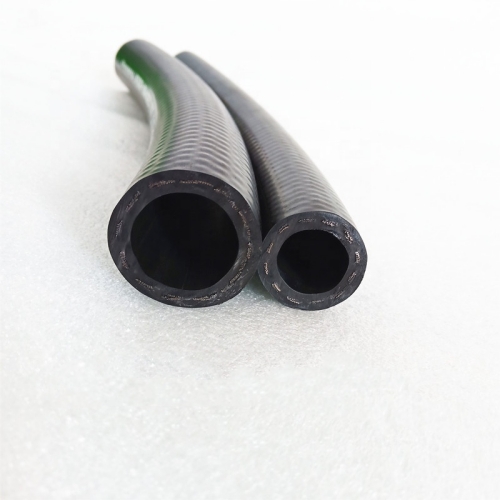
Performance & Engineering
The performance of high-pressure hydraulic hose fittings is dictated by several engineering factors. Force analysis, specifically stress concentration at the thread root and under the crimp, is crucial for preventing failure. Finite Element Analysis (FEA) is increasingly used to simulate stress distributions under various load conditions, optimizing fitting geometry and material selection. Environmental resistance is paramount, requiring careful consideration of temperature extremes, exposure to corrosive fluids (hydraulic oil, seawater, chemicals), and UV radiation. Material compatibility between the fitting and the hose reinforcement (steel wire, synthetic fibers) is critical to prevent galvanic corrosion and ensure a secure connection. Compliance requirements, such as those stipulated by SAE J518, ISO 6046, and DIN EN 856, define minimum performance standards for pressure rating, burst pressure, and temperature range. Functional implementation necessitates precise thread engagement between the fitting and the port, ensuring a leak-proof seal. The fitting’s geometry must minimize pressure drop and flow restriction, maximizing system efficiency. Leakage prevention relies on accurately machined threads, appropriate sealant application, and proper torque during installation. Fatigue analysis is essential for fittings subjected to cyclical loading, assessing their resistance to crack initiation and propagation. Creep resistance, especially at elevated temperatures, is critical for long-term reliability. Considerations regarding vibration and shock loading are essential in applications such as mobile machinery. Proper selection of the fitting material and design based on the specific operating conditions is key to avoiding premature failure.
Technical Specifications
| Parameter | Unit | Specification (Carbon Steel) | Specification (Stainless Steel 316) |
|---|---|---|---|
| Working Pressure | MPa | 31.5 | 40 |
| Burst Pressure | MPa | 124.1 | 160 |
| Temperature Range | °C | -40 to +100 | -50 to +200 |
| Thread Type | NPT, BSPT, Metric | NPT, BSPT, Metric | |
| Material | Carbon Steel (ASTM A105) | Stainless Steel 316 (ASTM A276) | |
| Surface Treatment | Zinc Plating | Passivation |
Failure Mode & Maintenance
High-pressure hydraulic hose fittings can fail through several mechanisms. Fatigue cracking, often initiated at the thread root or under the crimp, is a common failure mode due to cyclical loading. Corrosion, particularly galvanic corrosion between dissimilar metals, can weaken the fitting and lead to leakage. Erosion, caused by abrasive particles in the hydraulic fluid, can damage the fitting’s sealing surfaces. Over-tightening can cause thread stripping and distortion, compromising the seal. Under-tightening can lead to leakage. Hydrogen embrittlement, particularly in high-strength steels, can reduce ductility and promote cracking. Oxidation at high temperatures can degrade the material properties. Proper maintenance is crucial for extending the service life of these fittings. Regular visual inspection for signs of corrosion, cracks, or damage is essential. Periodic torque checks should be performed to ensure proper tightening. Hydraulic fluid should be regularly analyzed for contamination and replaced as needed. Fittings should be cleaned and lubricated during assembly. Protective coatings should be reapplied as needed to maintain corrosion resistance. It is critical to avoid using incompatible fluids that can accelerate corrosion or degrade the fitting material. When replacing a fitting, it is important to use the correct replacement part and follow the manufacturer’s instructions for installation. Failure analysis, including metallographic examination and fracture surface analysis, can help identify the root cause of failures and prevent recurrence.
Industry FAQ
Q: What is the significance of the 'burst pressure' rating compared to the 'working pressure' rating?
A: The working pressure is the maximum pressure at which the fitting is designed to operate continuously. The burst pressure is the pressure at which the fitting will fail catastrophically. The burst pressure is always significantly higher than the working pressure – typically a 4:1 safety factor is applied – to provide a safety margin and prevent sudden failure during operation. It represents the ultimate load-bearing capacity of the fitting, but sustained operation at or near the burst pressure will inevitably lead to failure.
Q: How does the choice of material affect the fitting’s resistance to corrosion?
A: The material is paramount in corrosion resistance. Carbon steel is susceptible to corrosion unless protected by coatings like zinc or nickel. Alloy steels offer improved corrosion resistance but are still vulnerable in harsh environments. Stainless steel (especially 316) provides superior corrosion resistance due to its chromium content, forming a passive oxide layer. Brass offers good resistance to certain chemicals but can corrode in others. The specific fluid being used and the environmental conditions must be considered when selecting the material.
Q: What are the best practices for preventing thread damage during installation?
A: Use the correct thread sealant designed for hydraulic systems. Avoid excessive force during tightening; use a calibrated torque wrench and follow the manufacturer's recommended torque specifications. Ensure the threads are clean and free of debris before assembly. Never re-use damaged or deformed threads. Consider using anti-seize lubricant on the threads to prevent galling and facilitate future disassembly.
Q: What is the role of non-destructive testing (NDT) in quality control?
A: NDT methods, such as ultrasonic testing (UT) and magnetic particle inspection (MPI), are critical for detecting internal flaws and surface defects without damaging the fitting. UT can identify internal cracks, voids, and inclusions. MPI can detect surface and near-surface cracks. NDT provides a higher level of confidence in the structural integrity of the fitting than visual inspection alone.
Q: How do temperature variations impact the performance of hydraulic hose fittings?
A: Extreme temperatures can significantly affect fitting performance. High temperatures can reduce material strength and creep resistance, potentially leading to failure. Low temperatures can reduce ductility and increase the risk of brittle fracture. The fitting material must be selected to withstand the expected temperature range of the application. Thermal expansion and contraction can also affect the tightness of the connection, potentially causing leakage.
Conclusion
High-pressure hydraulic hose fittings are essential components in fluid power systems, demanding precise engineering, robust material selection, and stringent quality control. The industry’s focus on enhancing performance, improving corrosion resistance, and ensuring compliance with international standards drives continuous innovation. Understanding the materials science, manufacturing processes, and failure modes of these fittings is crucial for optimizing system reliability and minimizing downtime.
Future advancements will likely center on developing lighter-weight fittings using advanced materials, incorporating smart sensing technologies for real-time monitoring of pressure and temperature, and adopting additive manufacturing techniques to create complex geometries and customized solutions. Continued emphasis on sustainable manufacturing practices and reducing environmental impact will also be a key trend. The ongoing pursuit of enhanced safety and performance will ensure that china-manufactured high-pressure hydraulic hose fittings remain a vital component of global infrastructure.