
Apr . 01, 2024 17:55 Back to list
china high pressure hydraulic hose ferrules Performance Analysis
Introduction
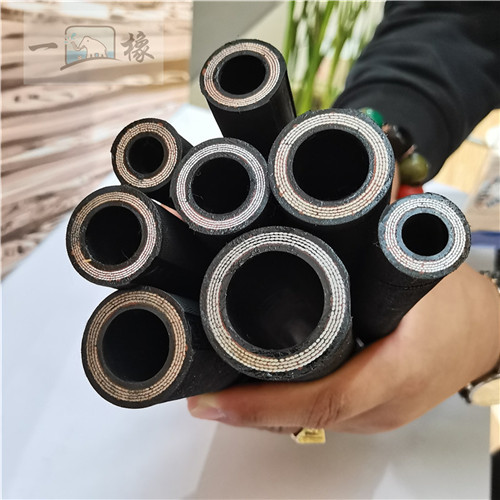
High pressure hydraulic hose ferrules, manufactured in China, are critical components in fluid power systems. These ferrules provide the secure, leak-proof connection between the hydraulic hose and the fittings, ensuring the safe and efficient transmission of hydraulic fluid. This guide provides an in-depth technical overview of Chinese-manufactured high pressure hydraulic hose ferrules, covering material science, manufacturing processes, performance characteristics, failure modes, and relevant industry standards. The increasing demand for reliable hydraulic systems in sectors like construction, agriculture, and manufacturing has driven the growth of the Chinese ferrule market, emphasizing the need for understanding the intricacies of their design and production. A key industry pain point is ensuring consistent dimensional accuracy and material quality across different manufacturers to guarantee interchangeability and system integrity. Furthermore, compliance with international safety standards is paramount, as failures in these components can lead to catastrophic system malfunctions.
Material Science & Manufacturing
The primary material for high pressure hydraulic hose ferrules is carbon steel, specifically AISI 1020, 1045, or equivalent Chinese standards (e.g., 45 steel). These steels offer a balance of strength, ductility, and weldability. Stainless steel (304, 316) is utilized in corrosive environments. The manufacturing process typically begins with hot forging or cold drawing of steel billets to create the ferrule body. Critical parameters during forging include precise die temperature control (typically 800-900°C) and forging pressure to ensure grain flow alignment, maximizing strength. Cold drawing refines the internal diameter and wall thickness, improving dimensional precision. Following forming, the ferrules undergo machining operations – turning, milling, and drilling – to achieve the required tapered or straight bore geometry. Surface treatment is crucial; phosphating or zinc plating provides corrosion resistance. Critical manufacturing parameters include maintaining tight tolerances on the bore diameter (±0.02mm), wall thickness (±0.05mm), and taper angle (±0.5°). Quality control involves dimensional inspection using coordinate measuring machines (CMMs), non-destructive testing (NDT) via ultrasonic testing or magnetic particle inspection to detect internal flaws, and material verification through chemical composition analysis. A common failure point arises from inconsistent heat treatment, leading to insufficient hardness or residual stress, making the ferrule susceptible to cracking during crimping or operation.

Performance & Engineering
The performance of a hydraulic hose ferrule is fundamentally linked to its ability to withstand high pressure and maintain a leak-proof seal. Force analysis involves calculating the hoop stress generated by internal fluid pressure, which must be less than the yield strength of the ferrule material. The crimp force applied during hose assembly is critical; insufficient crimp leads to leakage, while excessive crimp can damage the hose reinforcement or ferrule itself. Environmental resistance is also a key consideration. Exposure to temperature extremes, corrosive fluids, and UV radiation can degrade the ferrule’s material properties. Compliance requirements dictated by standards like SAE J518 (USA) or EN 853 (Europe) specify minimum burst pressure ratings, proof pressure requirements, and fatigue life expectations. Functional implementation relies on the interference fit created between the ferrule, hose reinforcement, and fitting. The ferrule’s taper or geometry is designed to create this interference when crimped, effectively locking the hose onto the fitting. A prevalent engineering challenge is managing thermal expansion and contraction of the materials under varying operating temperatures, which can compromise the seal. Finite element analysis (FEA) is frequently employed to optimize ferrule geometry and material selection for specific pressure and temperature applications.
Technical Specifications
| Parameter | Unit | Specification (Typical) | Test Standard |
|---|---|---|---|
| Material | - | Carbon Steel (AISI 1045 or equivalent) | GB/T 3077-2015 |
| Minimum Burst Pressure | MPa | 63-105 (depending on hose size & series) | SAE J518 / EN 853 |
| Proof Pressure | MPa | 24-42 (depending on hose size & series) | SAE J518 / EN 853 |
| Tensile Strength | MPa | ≥ 570 | GB/T 228-2021 |
| Hardness (HRC) | - | 30-38 | GB/T 230.1-2009 |
| Surface Treatment | - | Zinc Plating (8-12 μm) or Phosphating | GB/T 12357-2017 |
Failure Mode & Maintenance
Common failure modes for hydraulic hose ferrules include fatigue cracking (due to cyclic pressure loading), corrosion (especially in saltwater or chemically aggressive environments), galling (caused by improper assembly or lack of lubrication), and crimp failure (resulting from over or under-crimping). Fatigue cracking typically initiates at stress concentration points, such as the bore or crimp area. Corrosion can lead to pitting and weakening of the ferrule material. Galling occurs when two metal surfaces slide against each other under high load, causing material transfer and seizing. Maintenance primarily involves visual inspection for signs of corrosion, cracks, or deformation. Regular torque checks on fittings are essential to ensure proper clamping force. If corrosion is detected, the ferrule should be replaced. In cases of suspected fatigue cracking, the entire hose assembly should be replaced. Preventative measures include using compatible fluids, applying corrosion inhibitors, and implementing a scheduled hose replacement program based on operating hours and environmental conditions. Detailed failure analysis, including fractography and material testing, can identify the root cause of failures and prevent recurrence. Proper storage of ferrules in a dry, protected environment is also crucial to prevent corrosion before use.
Industry FAQ
Q: What is the impact of material composition variations on the ferrule’s burst pressure capability?
A: Variations in the carbon content or inclusion levels within the steel alloy directly affect its yield strength and ductility. Higher carbon content generally increases yield strength but reduces ductility, potentially increasing the risk of brittle fracture. Inclusions act as stress concentrators, lowering the burst pressure. Therefore, strict adherence to material specifications (e.g., GB/T 3077-2015) and rigorous material testing are crucial for consistent burst pressure performance.
Q: How does the crimp process affect the long-term reliability of the ferrule-hose connection?
A: The crimp process creates a mechanical interlock between the ferrule, hose reinforcement, and fitting. An improperly calibrated crimping machine or incorrect die selection can lead to insufficient or excessive crimping. Insufficient crimping results in leakage, while excessive crimping can damage the hose reinforcement, reducing its pressure capacity and leading to premature failure. Regular calibration of crimping machines and adherence to manufacturer’s crimp specifications are essential.
Q: What are the considerations for selecting ferrules for use with different hydraulic fluids?
A: Certain hydraulic fluids, such as phosphate ester fluids, can be corrosive to carbon steel. In such cases, stainless steel ferrules are required. The compatibility of the ferrule material with the fluid must be verified to prevent corrosion and maintain long-term seal integrity. Compatibility charts provided by fluid and ferrule manufacturers should be consulted.
Q: Can ferrules be re-crimped after a hose replacement?
A: Re-crimping ferrules is generally not recommended. The crimping process work-hardens the ferrule material. Re-crimping can introduce micro-cracks and reduce the ferrule’s ability to withstand high pressure. It’s best practice to use new ferrules with each hose assembly to ensure optimal performance and safety.
Q: What is the role of surface treatment in preventing ferrule failure?
A: Surface treatment, such as zinc plating or phosphating, provides a protective barrier against corrosion, particularly in humid or corrosive environments. This barrier prevents the initiation and propagation of corrosion, extending the ferrule’s service life and maintaining its structural integrity. The thickness and quality of the surface coating are critical parameters to control.
Conclusion
China-manufactured high pressure hydraulic hose ferrules represent a critical link in hydraulic power transmission systems. Their reliable performance is dictated by a complex interplay of material science, precise manufacturing processes, and adherence to stringent quality control standards. Understanding the potential failure modes – ranging from fatigue cracking to corrosion – is paramount for implementing effective preventative maintenance strategies and ensuring system safety.
The continuing evolution of hydraulic technology demands ongoing refinement in ferrule design and manufacturing. Future developments may focus on utilizing advanced materials, such as alloy steels or composite materials, to enhance strength, reduce weight, and improve corrosion resistance. Furthermore, the implementation of advanced inspection techniques, like eddy current testing, will play a vital role in detecting subtle flaws and ensuring the long-term reliability of these essential components.