
Apr . 01, 2024 17:55 Back to list
china high pressure hose Performance Analysis
Introduction
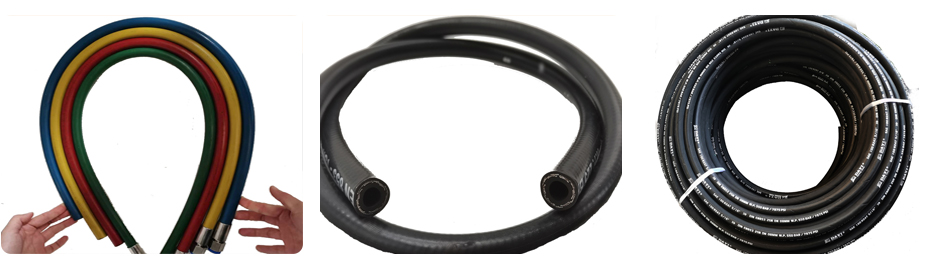
High-pressure hoses manufactured in China are critical components in a wide range of industrial applications, including hydraulic systems, oil & gas exploration, construction equipment, and automotive manufacturing. These hoses are engineered to safely convey fluids – hydraulic oil, water, chemicals, and gases – at extremely high pressures and temperatures. The Chinese manufacturing sector has become a significant global supplier due to its competitive pricing, increasing quality standards, and substantial production capacity. This guide provides an in-depth technical overview of China high-pressure hoses, covering material science, manufacturing processes, performance characteristics, failure modes, and relevant industry standards. A core pain point in the industry is ensuring consistent performance and safety, particularly in demanding applications where hose failure can result in significant downtime, environmental hazards, and potential personnel injury. Another challenge involves navigating the evolving landscape of international regulations and quality control standards.
Material Science & Manufacturing
The core materials for China high-pressure hoses typically include synthetic rubber compounds (primarily nitrile, neoprene, or EPDM), high-tensile steel wire reinforcement (typically spiral wound), and fiber braiding. Nitrile rubber (NBR) is frequently employed for oil-based hydraulic fluids due to its excellent oil resistance, while EPDM is favored for water and steam applications because of its superior heat and weather resistance. Neoprene provides a balance of properties and is used in various applications. Steel wire, often conforming to standards like SAE J517, provides the primary strength and pressure-bearing capacity. Fiber braiding – typically polyester or nylon – protects the steel wire from corrosion and provides additional burst strength.
Manufacturing processes involve several key steps. Firstly, the inner tube is extruded from the selected rubber compound using a continuous extrusion process. Precise temperature and pressure control during extrusion are crucial for achieving consistent wall thickness and eliminating voids. Secondly, the high-tensile steel wire is spirally wound around the inner tube, providing the reinforcement layer. The pitch and tension of the wire winding are critical parameters influencing the hose’s pressure rating and flexibility. Thirdly, a fiber braid is applied over the steel wire. The braid angle and fiber tension influence the hose’s kink resistance and burst pressure. Finally, the outer cover, also extruded rubber, is applied to protect the reinforcement layers from abrasion, environmental degradation, and chemical attack. Post-extrusion, the hose undergoes curing (vulcanization) – a process involving heat and pressure – to crosslink the rubber polymers, enhancing their mechanical properties and chemical resistance. Quality control checks at each stage, including dimensional inspections, pressure testing, and material analysis, are essential for ensuring product consistency and compliance with standards.

Performance & Engineering
The performance of a high-pressure hose is dictated by its ability to withstand internal pressure, external loads, and environmental factors without failure. Force analysis is critical, encompassing hoop stress (resulting from internal pressure), longitudinal stress (due to pressure and end-fitting loads), and bending stress (from hose routing and flexing). The steel wire reinforcement bears the majority of the internal pressure load, while the rubber matrix distributes the stress and provides sealing. Hose flexibility, measured by bend radius, is another critical parameter, impacting ease of installation and service life. Environmental resistance is also paramount. Exposure to ozone, UV radiation, extreme temperatures, and corrosive chemicals can degrade the rubber compounds, reducing the hose’s strength and flexibility.
Compliance requirements vary depending on the application and region. For hydraulic systems, ISO 6897 and SAE J517 define performance criteria and testing procedures. Oil & gas applications often require compliance with API Q1 standards, demanding stringent quality control and traceability. Automotive hoses must meet FMVSS 571 standards, focusing on safety and performance in vehicular applications. Finite element analysis (FEA) is increasingly used during the design phase to optimize hose geometry, reinforcement layout, and material selection to maximize performance and minimize weight. Consideration must be given to end-fitting compatibility and secure attachment methods (crimping, swaging, or threading) to prevent leakage and ensure long-term reliability.
Technical Specifications
| Parameter | Unit | Typical Value (Hydraulic Hose) | Test Standard |
|---|---|---|---|
| Working Pressure | MPa | 20-40 | ISO 6897 / SAE J517 |
| Burst Pressure | MPa | 60-120 | ISO 6897 / SAE J517 |
| Temperature Range | °C | -40 to +100 | ISO 6897 / SAE J517 |
| Inner Tube Material | - | NBR, EPDM | ASTM D2000 |
| Reinforcement Material | - | High-Tensile Steel Wire | SAE J517 |
| Outer Cover Material | - | Synthetic Rubber (EPDM/Nitrile Blend) | ASTM D2000 |
Failure Mode & Maintenance
Common failure modes in high-pressure hoses include burst failure (due to exceeding pressure limits), fatigue cracking (from repeated flexing and pressure cycling), pinhole leaks (caused by abrasion or chemical attack), and end-fitting failure (resulting from corrosion or improper installation). Fatigue cracking is a particularly insidious failure mode as it often propagates slowly and is difficult to detect visually. Delamination – separation of the reinforcement layers from the rubber matrix – can occur due to improper bonding or exposure to harsh environments. Oxidation of the rubber compounds, accelerated by heat and ozone exposure, can lead to loss of elasticity and cracking.
Preventive maintenance is crucial for extending hose life and preventing catastrophic failures. Regular visual inspections should be conducted to identify signs of abrasion, cracking, swelling, or leaks. Hose routing should be carefully planned to minimize bending and avoid sharp angles. Proper end-fitting selection and installation are essential. Hose should be replaced at recommended intervals, even if no visible damage is apparent. Avoid exceeding the manufacturer’s specified working pressure and temperature limits. Proper storage is also important; hoses should be stored in a cool, dry, and dark environment to minimize degradation. For oil-filled systems, regular oil analysis can detect contaminants that can accelerate hose degradation. Should a hose exhibit any signs of damage, it should be immediately taken out of service and replaced.
Industry FAQ
Q: What is the significance of the ‘dash size’ designation (e.g., -10, -12) in a high-pressure hose?
A: The dash size refers to the inner diameter of the hose in sixteenths of an inch. For example, a -10 hose has an inner diameter of 10/16 inch (or 5/8 inch). This designation is crucial for ensuring compatibility with fittings and hydraulic components, as mismatches can lead to flow restrictions and potential failures.
Q: How does the steel wire reinforcement impact the hose's flexibility and pressure rating?
A: The number of steel wire spirals and their diameter directly influence both flexibility and pressure rating. More spirals and larger diameter wires increase the pressure rating but reduce flexibility. Manufacturers carefully balance these factors to meet specific application requirements.
Q: What are the key differences between nitrile (NBR) and EPDM rubber compounds, and when should each be used?
A: NBR offers excellent resistance to oil-based hydraulic fluids, making it ideal for hydraulic systems. EPDM provides superior resistance to water, steam, and weather, making it suitable for applications involving these media. NBR has lower temperature flexibility than EPDM.
Q: What is the role of the outer cover in a high-pressure hose?
A: The outer cover provides protection against abrasion, environmental degradation (ozone, UV radiation), and chemical attack. It also helps to contain leaks and provides a surface for hose handling and routing. The material of the outer cover is selected based on the expected environmental conditions.
Q: What crimping standards should be followed when attaching end fittings to a high-pressure hose?
A: Proper crimping is critical for ensuring a secure and leak-free connection. Standards like SAE J518 and ISO 3724 specify the crimp dimensions and procedures for various hose sizes and fitting types. Using a calibrated crimping machine and following the manufacturer's recommendations are essential.
Conclusion
China high-pressure hoses represent a vital component in numerous industrial sectors, offering a balance of performance, cost-effectiveness, and availability. Understanding the intricacies of material science, manufacturing processes, and performance characteristics is paramount for selecting the appropriate hose for a specific application. The careful consideration of factors like working pressure, temperature range, fluid compatibility, and environmental conditions is crucial for ensuring safe and reliable operation.
Looking forward, the trend towards increased miniaturization, higher operating pressures, and stricter environmental regulations will drive further innovation in high-pressure hose technology. Developments in materials science, such as the use of advanced polymers and lightweight reinforcement materials, will lead to hoses with improved performance, durability, and sustainability. Continued adherence to international standards and rigorous quality control measures will be essential for maintaining the competitiveness and reliability of China high-pressure hoses in the global market.