
Apr . 01, 2024 17:55 Back to list
china high pressure car washer hose Performance Analysis
Introduction
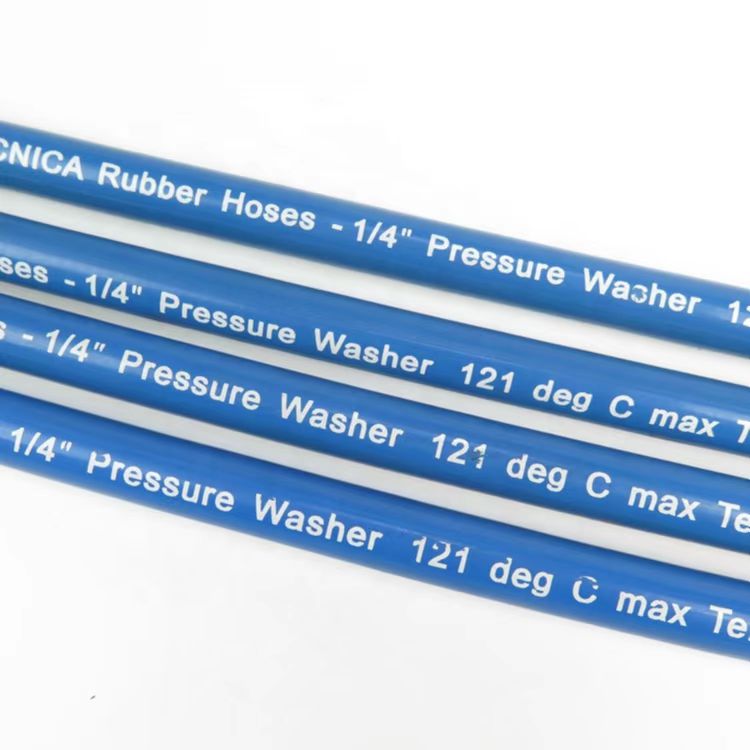
High-pressure car washer hoses, manufactured in China, represent a critical component within the vehicle detailing and industrial cleaning sectors. These hoses function as fluid transfer conduits, delivering pressurized water (and often detergents) from the pump to the spray nozzle. Their performance is defined by their ability to withstand substantial internal pressures, maintain flexibility under varying temperatures, and resist abrasion and chemical degradation. Positioned within the supply chain, these hoses are integral to complete car washing systems, often supplied as OEM components to equipment manufacturers or sold as aftermarket replacements. Core performance indicators include burst pressure, working pressure, kink radius, and service life under cyclical loading. Understanding these parameters is crucial for selecting a hose appropriate for specific applications and ensuring operational safety and efficiency.
Material Science & Manufacturing
The predominant material utilized in high-pressure car washer hoses is a composite construction, typically comprising an inner tube, reinforcing layers, and an outer cover. The inner tube is commonly constructed from thermoplastic polyurethane (TPU) or synthetic rubber compounds (e.g., styrene-butadiene rubber – SBR) due to their excellent resistance to water and common cleaning agents. Reinforcing layers, critical for pressure containment, are typically braided with high-tensile strength synthetic fibers like polyester or nylon. The number of layers dictates the hose’s working and burst pressures. The outer cover is generally manufactured from a blend of polyvinyl chloride (PVC) and rubber, providing abrasion resistance, UV protection, and a degree of chemical resistance. Manufacturing processes involve extrusion for the inner tube and outer cover, followed by precise braiding of the reinforcing layers. Post-braiding, the components are assembled, and vulcanization (for rubber-based components) or thermal bonding (for TPU) is employed to ensure structural integrity. Key parameter control includes maintaining consistent wall thickness of the inner tube, accurate fiber tension during braiding, and precise temperature/pressure control during the bonding process. Variations in these parameters directly influence the hose’s performance characteristics and longevity. Furthermore, plasticizers used in PVC formulations are subject to scrutiny due to potential leaching and environmental concerns; phthalate-free formulations are increasingly preferred.
Performance & Engineering
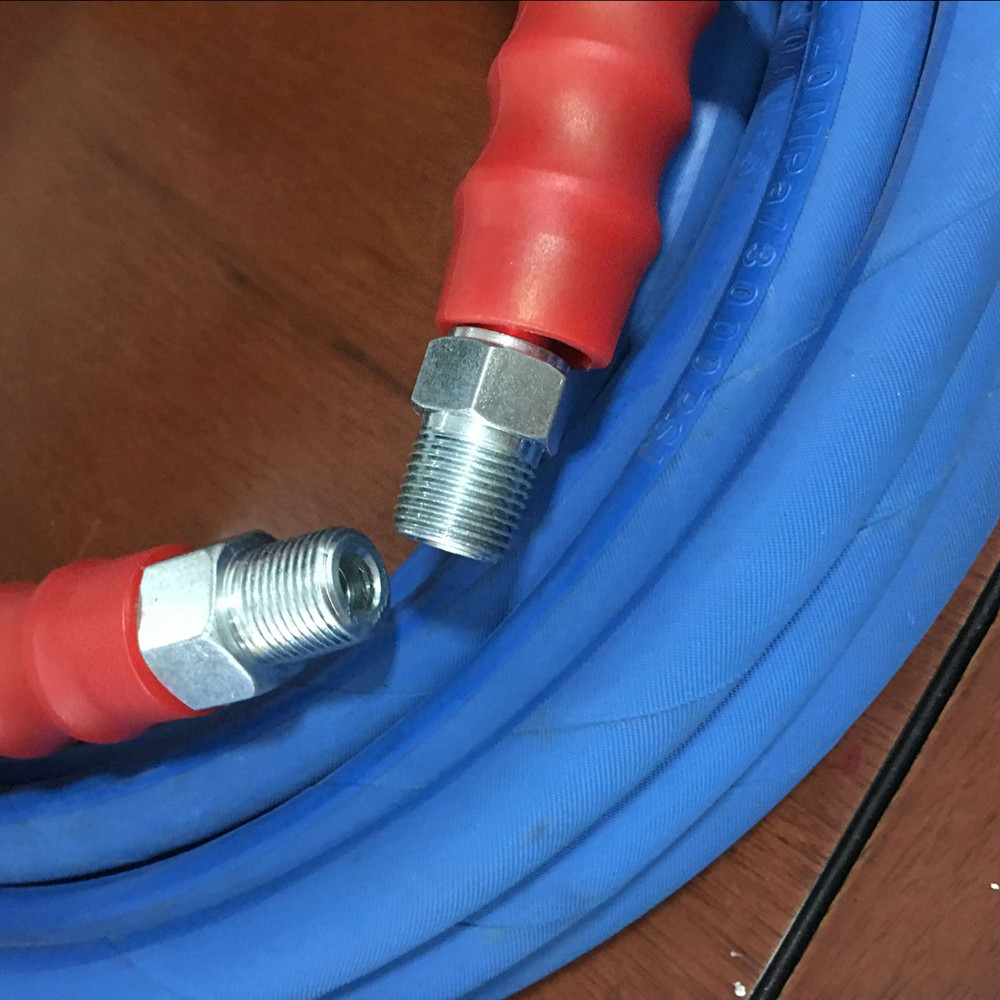
The engineering performance of these hoses is primarily governed by stress analysis under pressure. The hoop stress within the inner tube is directly proportional to the internal pressure and radius, inversely proportional to the wall thickness. The reinforcing braid significantly mitigates this stress, distributing it along the fiber length. Finite Element Analysis (FEA) is commonly employed during design to optimize braid structure and material selection for specific pressure requirements. Environmental resistance is another crucial factor. Prolonged exposure to UV radiation can lead to polymer degradation and embrittlement of the outer cover, reducing its abrasion resistance. Temperature fluctuations induce thermal expansion and contraction, creating cyclical stresses. The hose must maintain its flexibility and integrity across a wide temperature range (typically -10°C to +60°C). Compliance requirements dictate adherence to specific safety standards regarding burst pressure, leak testing, and material composition (e.g., RoHS compliance regarding hazardous substances). Functional implementation considerations include minimizing kink radius to ensure consistent water flow and providing appropriate fittings for secure connection to the pressure washer and spray nozzle. The choice of fitting material (brass, stainless steel, or plastic) impacts corrosion resistance and overall system durability.
Technical Specifications
| Parameter | Unit | Typical Value (China-Made Hose) | Testing Standard |
|---|---|---|---|
| Working Pressure | MPa | 15-20 | SAE J517 |
| Burst Pressure | MPa | 45-60 | SAE J517 |
| Inner Diameter | mm | 8-12 | Manufacturer Specification |
| Outer Diameter | mm | 14-18 | Manufacturer Specification |
| Minimum Bend Radius | mm | 200-300 | Manufacturer Specification |
| Tensile Strength (Reinforcement) | N/mm² | 1500-2000 | ASTM D790 |
Failure Mode & Maintenance
Common failure modes in high-pressure car washer hoses include burst failure due to exceeding pressure limits, fatigue cracking from cyclical loading, abrasion damage to the outer cover, and material degradation due to UV exposure and chemical attack. Burst failures typically occur at weakened points in the hose wall, often near fittings or due to manufacturing defects. Fatigue cracking initiates from stress concentrations and propagates over time, leading to leaks or complete hose rupture. Abrasion damage compromises the outer cover, exposing the reinforcing braid to corrosion and reducing its structural integrity. Degradation of the polymer matrix renders the hose brittle and susceptible to cracking. Maintenance practices include regular visual inspection for signs of wear, cracks, or bulges. Hoses should be stored in a cool, dry place away from direct sunlight. Avoid kinking the hose excessively, as this creates stress concentrations. After each use, it is recommended to flush the hose with clean water to remove any residual detergents or contaminants. If damage is detected, the hose should be replaced immediately. Preventative measures such as using a hose reel to avoid dragging and abrasion, and implementing a regular inspection schedule, can significantly extend hose service life. Periodic leak testing is also advisable, especially in critical applications.
Industry FAQ
Q: What is the significance of the 'burst pressure' rating, and how does it relate to the 'working pressure'?
A: The burst pressure represents the maximum pressure the hose can withstand before catastrophic failure. It’s a safety benchmark, typically 3-4 times the working pressure. Working pressure is the maximum continuous operating pressure recommended by the manufacturer for sustained use. Exceeding the working pressure significantly increases the risk of premature failure, even if below the burst pressure.
Q: How does the material of the outer cover impact the hose’s longevity and performance?
A: The outer cover provides critical protection against abrasion, UV radiation, and chemical exposure. PVC-based covers offer good abrasion resistance but can become brittle with prolonged UV exposure. Rubber blends generally exhibit superior UV resistance but may be more susceptible to abrasion. The quality of the plasticizers used in PVC formulations also impacts flexibility and resistance to cracking.
Q: What are the implications of using a hose with an incorrect inner diameter for a specific pressure washer?
A: Using a hose with an inner diameter that is too small can create excessive friction, reducing water flow and potentially overheating the pump. An excessively large inner diameter can lead to pressure loss due to increased volume and reduced velocity. Matching the hose’s inner diameter to the pressure washer’s specifications is crucial for optimal performance.
Q: What is the role of the reinforcement braid, and how do different fiber types (polyester vs. nylon) compare?
A: The reinforcement braid provides the structural strength to withstand internal pressure. Polyester offers excellent tensile strength and resistance to stretching, making it suitable for general-purpose applications. Nylon provides higher elongation and impact resistance, making it more appropriate for applications involving significant flexing and vibration.
Q: Are there specific certifications or standards I should look for when sourcing high-pressure car washer hoses?
A: Look for hoses that comply with relevant standards such as SAE J517 (for hydraulic hoses), RoHS (for hazardous substance restrictions), and ISO 9001 (for quality management systems). Certification from a reputable third-party testing organization provides assurance of product quality and safety.
Conclusion
High-pressure car washer hoses represent a complex engineered product, demanding careful consideration of material science, manufacturing processes, and performance characteristics. Successful selection relies on understanding the interplay between working pressure, burst pressure, environmental resistance, and material compatibility. The Chinese manufacturing sector has become a significant global supplier, offering a range of quality levels and price points.
To ensure long-term reliability and operational safety, prioritize hoses that adhere to recognized industry standards and undergo rigorous quality control. Implementing a robust maintenance program, including regular inspections and proper storage, is essential for maximizing service life and minimizing the risk of premature failure. Continued advancements in polymer technology and braiding techniques promise to yield even more durable and efficient high-pressure hoses in the future.