
Apr . 01, 2024 17:55 Back to list
china gasoline fuel hose Performance Analysis

Introduction
Gasoline fuel hose, specifically those manufactured in China, are critical components in fuel delivery systems for automotive, industrial, and agricultural applications. These hoses are engineered to safely transfer gasoline, ensuring resistance to fuel permeation, degradation from hydrocarbon exposure, and mechanical stresses. Positioned within the downstream petroleum industry, these hoses bridge the gap between fuel storage and engine intake. Core performance characteristics revolve around burst pressure, working pressure, temperature resistance, and compliance with stringent international safety standards. A key pain point within the industry is maintaining consistent quality control given fluctuating raw material prices and ensuring long-term compatibility with evolving fuel blends, including ethanol-enriched gasoline. Furthermore, the increasing demand for lightweight and compact fuel systems necessitates hoses with improved flexibility and reduced weight without compromising safety.
Material Science & Manufacturing
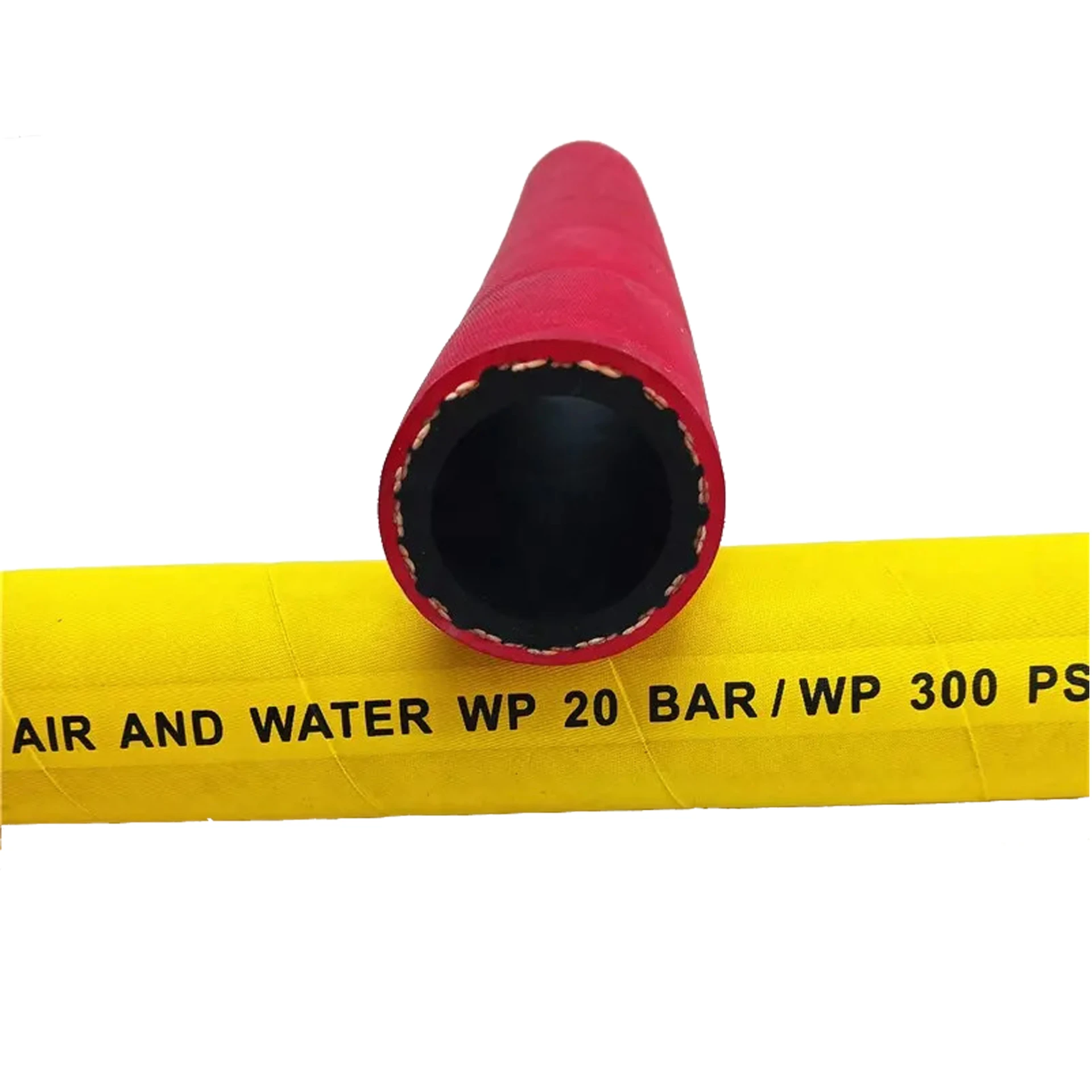
The construction of gasoline fuel hose typically involves a multi-layered system. The inner tube is commonly composed of nitrile rubber (NBR), known for its excellent resistance to aliphatic hydrocarbons, oils, and fuels. However, some manufacturers are increasingly utilizing fluorocarbon rubber (FKM/Viton) for enhanced resistance to aggressive fuels and high temperatures, albeit at a higher cost. The reinforcement layer is crucial for providing burst strength and structural integrity. Common reinforcement materials include multiple plies of high-tenacity polyester yarn, spirally wound steel wire, or aramid fiber braiding. The outer cover is generally made of ethylene propylene diene monomer (EPDM) rubber, providing excellent weathering, ozone, and abrasion resistance.
Manufacturing processes begin with the mixing and compounding of rubber formulations, requiring precise control of ingredient ratios, temperature, and mixing time to achieve desired physical properties. The inner tube is typically extruded through a die to achieve consistent wall thickness and diameter. The reinforcement layer is then applied, followed by the outer cover extrusion. Critical parameters during extrusion include screw speed, die temperature, and cooling rate. After extrusion, the hose undergoes vulcanization – a curing process involving heat and pressure – to crosslink the rubber molecules, enhancing strength, elasticity, and chemical resistance. Post-vulcanization, the hose is subjected to rigorous quality control checks, including dimensional inspection, burst pressure testing, and leak testing. Adhesion between layers is critically monitored as delamination is a major failure mode. Modern manufacturing facilities utilize automated systems for precise layer application and consistent vulcanization, reducing variability and improving product reliability.
Performance & Engineering
The performance of gasoline fuel hose is governed by several engineering principles. Force analysis focuses on determining the hose's ability to withstand internal pressure without rupture (burst pressure) and to maintain its shape under vacuum conditions. Burst pressure is calculated based on the tensile strength of the reinforcement material and the thickness of the rubber layers, utilizing the Barlow's formula as a fundamental principle. Environmental resistance is paramount; the hose must maintain its flexibility and integrity across a wide temperature range, typically from -40°C to +125°C. Prolonged exposure to UV radiation, ozone, and harsh chemicals can degrade the rubber compounds, necessitating the use of stabilizers and protective additives. Permeation resistance is a critical factor, preventing fuel vapor from escaping through the hose wall, which contributes to evaporative emissions. This is particularly important with the increasing use of ethanol-blended fuels, which have a higher permeation rate than pure gasoline.
Compliance with industry standards (detailed in the footer) is non-negotiable. These standards specify requirements for materials, construction, performance, and marking. Functional implementation necessitates careful consideration of hose routing, bend radius, and connection compatibility. Tight bends can create stress concentrations, leading to premature failure. Incorrectly sized fittings can cause leaks or hose damage. Proper installation practices, including the use of appropriate clamps and torque specifications, are essential for ensuring long-term reliability. Furthermore, the hose must be compatible with quick-connect couplings and other fuel system components.
Technical Specifications
| Parameter | Unit | Typical Value (Standard Grade) | Typical Value (High-Performance Grade) |
|---|---|---|---|
| Inner Diameter | mm | 12.7 | 19.05 |
| Outer Diameter | mm | 19.05 | 25.4 |
| Working Pressure | MPa | 0.7 | 1.0 |
| Burst Pressure | MPa | 2.1 | 3.5 |
| Tensile Strength (Reinforcement) | MPa | 1500 | 2000 |
| Temperature Range | °C | -40 to +100 | -40 to +125 |
| Fuel Permeation Rate (Gasoline) | g/m²/day | < 2 | < 1 |
Failure Mode & Maintenance
Gasoline fuel hose is susceptible to several failure modes. Fatigue cracking, induced by repeated flexing and pressure cycling, is a common issue, particularly near fittings. Delamination, the separation of rubber layers, can occur due to poor adhesion or exposure to aggressive chemicals. Degradation of the rubber compounds, caused by UV radiation, ozone, and heat, leads to hardening, cracking, and loss of flexibility. Oxidation, particularly in the presence of oxygen and metal catalysts, can also contribute to material degradation. Swelling caused by incompatible fuel blends, especially those with high ethanol content, is another potential failure point.
Preventative maintenance includes regular visual inspection for cracks, abrasions, and swelling. Hoses should be replaced if any signs of degradation are observed. Avoid tight bends and ensure proper routing to minimize stress. Use only compatible fittings and clamps, and torque them to the manufacturer's specifications. Protect the hose from direct sunlight and extreme temperatures. When storing fuel hoses, keep them in a cool, dry, and dark location, away from ozone sources. Periodic leak testing is recommended, especially in critical applications. If a hose exhibits signs of deterioration, it should be immediately removed from service and replaced with a new, certified component.
Industry FAQ
Q: What is the impact of ethanol-blended gasoline on fuel hose lifespan?
A: Ethanol acts as a plasticizer for many rubber compounds, initially increasing flexibility but ultimately leading to accelerated degradation and swelling. Standard NBR hoses can experience significant volume changes and reduced lifespan with prolonged exposure to E10 or higher ethanol blends. FKM/Viton hoses offer superior resistance to ethanol permeation and degradation, but are more expensive. Choosing a hose specifically designed for ethanol-blended fuels is critical for long-term reliability.
Q: How does temperature affect the performance of fuel hose?
A: Extreme temperatures can significantly impact hose performance. Low temperatures can cause the rubber to become brittle and crack, while high temperatures can lead to softening, swelling, and reduced strength. The specified temperature range for a hose must be considered, and the application environment should be within those limits. Thermal cycling (repeated exposure to varying temperatures) can accelerate degradation and fatigue failure.
Q: What are the key differences between NBR and FKM/Viton fuel hoses?
A: NBR (Nitrile Butadiene Rubber) is a cost-effective material with good resistance to aliphatic hydrocarbons. However, its resistance to ethanol, ozone, and high temperatures is limited. FKM/Viton (Fluorocarbon Rubber) offers superior resistance to a wider range of fuels, including ethanol, as well as excellent heat and ozone resistance. FKM/Viton is more expensive but provides a longer service life in demanding applications.
Q: How important is the reinforcement layer in fuel hose construction?
A: The reinforcement layer is crucial for providing burst strength and preventing hose collapse under vacuum conditions. Polyester yarn reinforcement is commonly used for general-purpose applications, while steel wire or aramid fiber braiding provides higher burst pressures and improved kink resistance. The type and quantity of reinforcement material directly impact the hose's ability to withstand pressure and mechanical stress.
Q: What are the critical considerations for selecting the correct fuel hose size?
A: Correct sizing is essential for proper flow rate and to prevent damage to the hose. The inner diameter must be compatible with the fuel line fittings and fuel pump output. An undersized hose can restrict flow and cause pressure drop, while an oversized hose may be prone to kinking and collapsing. The hose length should be sufficient to accommodate the fuel line routing without excessive bending or stretching.
Conclusion
China-manufactured gasoline fuel hose plays a pivotal role in the safe and efficient delivery of fuel, requiring a nuanced understanding of material science, manufacturing processes, and performance characteristics. The selection of appropriate materials, such as NBR or FKM/Viton, coupled with robust reinforcement layers and rigorous quality control, are essential for ensuring long-term reliability and compliance with stringent industry standards. Addressing the challenges posed by evolving fuel blends, particularly ethanol, and mitigating potential failure modes through proper maintenance practices are crucial for maximizing hose lifespan and preventing costly downtime.
Future advancements in fuel hose technology will likely focus on developing more sustainable and environmentally friendly materials, improving permeation resistance, and enhancing compatibility with alternative fuels. Furthermore, the integration of sensor technology for real-time monitoring of hose condition and performance could provide valuable insights for predictive maintenance and proactive failure prevention, leading to increased safety and reduced operational costs.