
Apr . 01, 2024 17:55 Back to list
china fuel hose Performance Engineering

Introduction
China fuel hose, typically referring to hoses designed for the transfer of gasoline, diesel, and other fuel types, represents a critical component within the fuel distribution infrastructure. Positioned between storage tanks (bulk fuel storage or vehicle tanks) and dispensing mechanisms, these hoses are subject to stringent safety and performance requirements. Unlike general-purpose rubber hoses, fuel hoses are engineered to resist the corrosive effects of fuel, prevent fuel permeation, and maintain flexibility across a wide temperature range. The manufacturing landscape in China has become a significant global supplier of these hoses, driven by competitive pricing and increasing quality control measures. Core performance characteristics revolve around pressure rating, burst pressure, tensile strength, and resistance to hydrocarbon degradation. A key industry pain point is maintaining consistent material quality and adherence to international safety standards given the diverse manufacturing base.
Material Science & Manufacturing
The primary material for china fuel hose construction is typically a synthetic rubber compound, most commonly nitrile rubber (NBR) due to its excellent resistance to petroleum-based fuels. However, specialized formulations may incorporate ethylene propylene diene monomer (EPDM) for enhanced weathering resistance and compatibility with biofuels, or fluorocarbon rubber (FKM/Viton) for applications requiring extreme temperature and chemical resistance. The rubber compound is reinforced with multiple plies of high-tensile textile braiding, typically polyester or aramid, to provide structural integrity and prevent kinking under pressure. Inner tubes are often smooth to minimize flow restriction and prevent fuel contamination. Manufacturing processes involve several critical stages. First, the rubber compound is mixed and extruded to form the inner tube. Subsequent braiding is applied, followed by the extrusion of the cover layer. Critical parameters during extrusion include temperature control to ensure consistent rubber density and uniformity. During braiding, precise tension control is vital to maintain the hose’s burst strength. Post-extrusion, hoses undergo curing (vulcanization) to crosslink the rubber molecules, enhancing its strength, elasticity, and resistance to degradation. Quality control checks at each stage – including dimensional accuracy, material hardness, and tensile testing – are essential.
Performance & Engineering
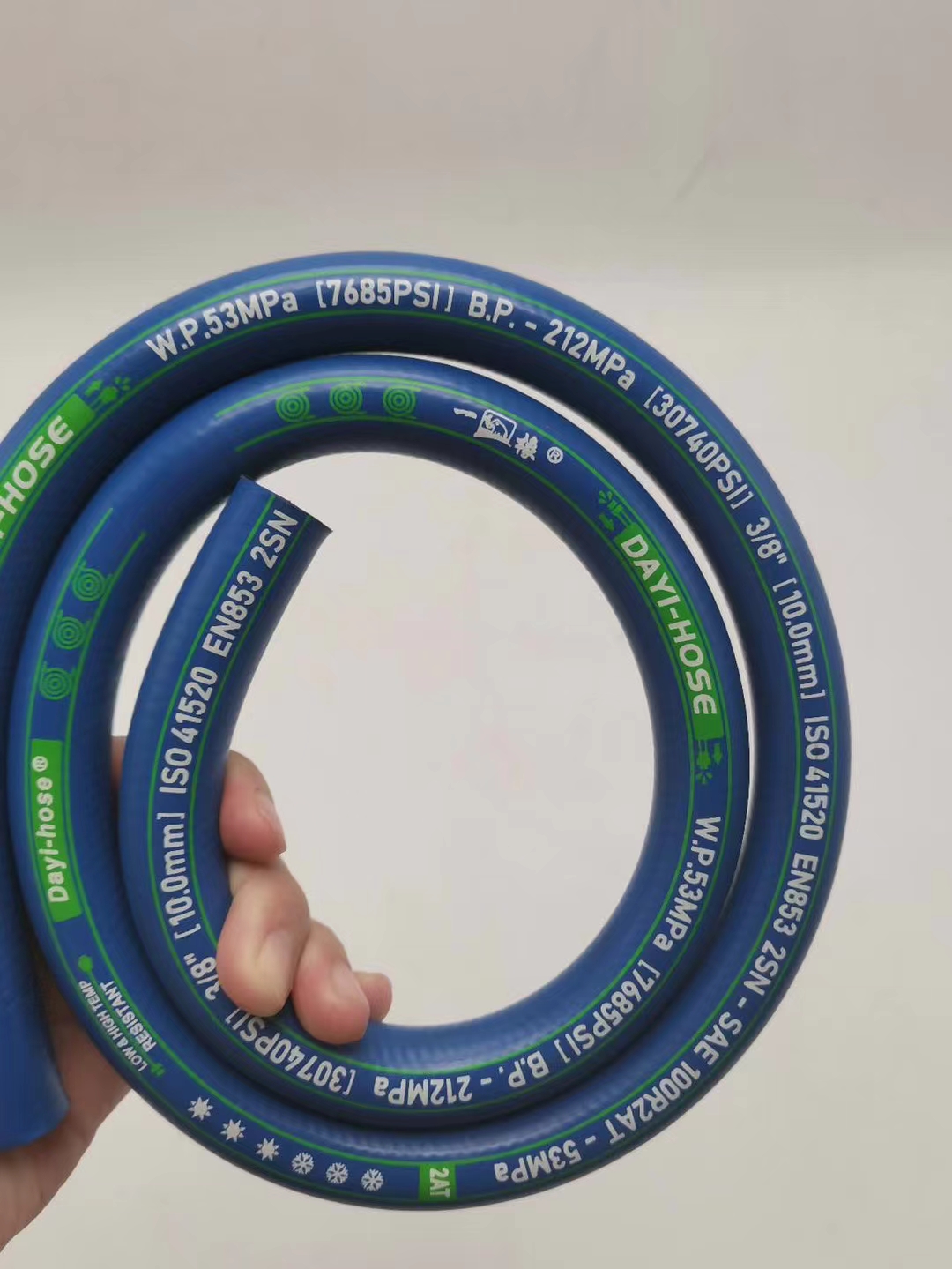
Fuel hose performance is heavily dictated by several engineering considerations. Force analysis centers on burst pressure calculations, determined by the tensile strength of the reinforcement layers and the rubber compound’s elongation at break. Hose assemblies must withstand static pressure during storage and dynamic pressure during fuel transfer, factoring in pressure surges and pulsation. Environmental resistance is paramount; exposure to UV radiation, ozone, and temperature fluctuations can degrade the rubber compound, leading to cracking and loss of flexibility. Compatibility with various fuel blends, including ethanol-blended gasoline and biodiesel, is a crucial performance criterion. Permeation testing, measuring the rate at which fuel molecules migrate through the hose wall, is vital to prevent evaporative emissions. Compliance requirements are extensive, including adherence to standards set by organizations like the Society of Automotive Engineers (SAE) and local regulatory bodies. Static grounding is also a significant engineering aspect to mitigate static electricity build-up during fuel transfer which prevents ignition hazards. Furthermore, the hose bend radius and kink resistance are critical performance characteristics ensuring smooth fuel flow and preventing operational disruptions.
Technical Specifications
| Parameter | Unit | Standard Specification (SAE J30R7) | Typical China Fuel Hose Range |
|---|---|---|---|
| Working Pressure | psi | 250 | 200-300 |
| Burst Pressure | psi | 1000 | 800-1200 |
| Tensile Strength (Reinforcement) | psi | 500 | 400-600 |
| Temperature Range | °F | -40 to +212 | -40 to +185 |
| Fuel Permeation Rate | g/m²/day | < 2 | < 3 |
| Elongation at Break (Rubber) | % | 300 | 250-400 |
Failure Mode & Maintenance
China fuel hoses are susceptible to several failure modes. Fatigue cracking, induced by repeated bending and pressure cycles, is a common issue, particularly at connection points. Delamination, the separation of the rubber layers, can occur due to poor bonding during manufacturing or prolonged exposure to harsh chemicals. Hydrocarbon degradation causes the rubber to swell, soften, and lose its elasticity, leading to leaks and reduced performance. Oxidation, accelerated by UV exposure and ozone, results in surface cracking and embrittlement. Kinking can also create localized stress concentrations leading to premature failure. Preventative maintenance is crucial. Regular visual inspections should be conducted to identify cracks, bulges, or signs of degradation. The hose should be replaced if any damage is observed. Proper storage – away from direct sunlight, heat sources, and chemicals – is essential. Avoid sharp bends and excessive tension during handling. Periodic pressure testing can help identify weakened areas. Following proper fueling procedures, such as avoiding overfilling and using appropriate nozzle pressure, minimizes stress on the hose assembly. For longer service life, it is recommended to implement a scheduled replacement program based on usage frequency and environmental conditions.
Industry FAQ
Q: What is the significance of the SAE J30R7 specification for fuel hoses?
A: SAE J30R7 is a widely recognized industry standard that defines the minimum performance requirements for fuel transfer hoses. It covers aspects like working pressure, burst pressure, temperature range, and fuel resistance. Adherence to this standard ensures that the hose can safely and reliably transfer fuel under specified conditions, reducing the risk of leaks, failures, and environmental contamination.
Q: How does the reinforcement layer affect the hose’s performance?
A: The reinforcement layer, typically a braided textile, provides the hose with its structural integrity and burst strength. The material and construction of the reinforcement directly impact the hose’s ability to withstand internal pressure and external forces. Higher tensile strength reinforcement layers contribute to a greater burst pressure rating and improved resistance to kinking and deformation.
Q: What is fuel permeation, and why is it a concern?
A: Fuel permeation refers to the diffusion of fuel molecules through the hose wall. Excessive permeation can lead to evaporative emissions, contributing to air pollution and potential safety hazards. Regulations increasingly focus on minimizing fuel permeation rates in fuel hoses to reduce environmental impact.
Q: How do biofuels impact the service life of fuel hoses?
A: Biofuels, such as ethanol and biodiesel, can have a detrimental effect on some rubber compounds. Ethanol, in particular, can cause swelling and degradation of certain elastomers. Fuel hoses specifically designed for biofuel compatibility utilize materials like EPDM or specialized NBR formulations to resist these effects and maintain performance.
Q: What are the key differences between NBR, EPDM, and FKM fuel hose materials?
A: NBR offers good resistance to petroleum-based fuels and is cost-effective. EPDM provides superior weathering resistance and is suitable for biofuel applications. FKM (Viton) offers the highest level of chemical and temperature resistance but is also the most expensive option, typically reserved for demanding applications involving aggressive fuels and extreme conditions.
Conclusion
China fuel hose technology relies heavily on a synergistic combination of material science, precision manufacturing, and stringent adherence to international safety standards. The selection of the appropriate rubber compound, reinforcement materials, and manufacturing processes is critical to ensuring optimal performance, durability, and compatibility with modern fuel blends. Maintaining consistent quality control throughout the production cycle is a primary challenge, necessitating robust testing procedures and a commitment to continuous improvement.
Looking forward, advancements in material science will likely lead to the development of even more durable and chemically resistant fuel hose compounds. Furthermore, increasing regulatory pressure to reduce evaporative emissions will drive innovation in permeation-resistant hose designs. A proactive approach to maintenance and adherence to recommended replacement schedules are essential for maximizing the lifespan and reliability of fuel hose assemblies, ultimately contributing to a safer and more sustainable fuel distribution system.

