
Apr . 01, 2024 17:55 Back to list
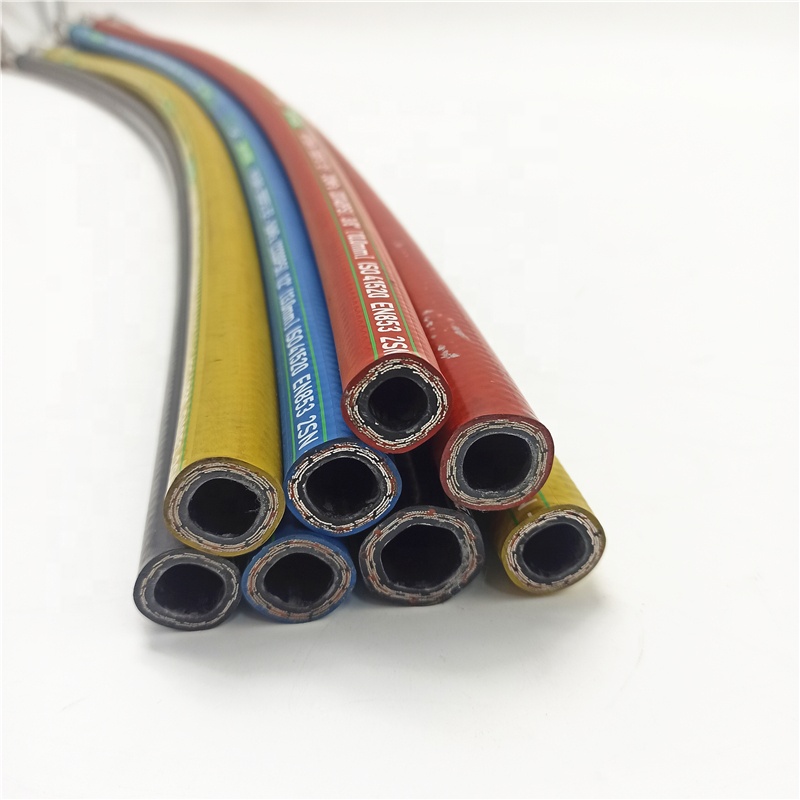
china four wire spiral hydraulic hose Performance Analysis

Introduction
China four wire spiral hydraulic hose represents a critical component in fluid power systems across diverse industries, including construction, agriculture, mining, and manufacturing. This type of hose is specifically engineered for high-pressure applications, characterized by its robust construction featuring four spirally wound steel wire reinforcement layers embedded within a synthetic rubber matrix. Its technical position within the supply chain is as a crucial intermediary between hydraulic pumps, valves, actuators, and other system components, reliably transmitting hydraulic fluid under demanding conditions. Core performance characteristics include pressure capacity (ranging from 337 to 630 bar or higher depending on specification), temperature resistance (typically -40°C to +100°C, with specialized formulations extending these ranges), and resistance to abrasion, oil, and chemical exposure. A key differentiator within the market is the balance between flexibility and burst strength, making it a preferred choice for applications requiring both maneuverability and safety. Current industry challenges revolve around maintaining consistent quality given varying manufacturing capabilities, ensuring compliance with increasingly stringent safety regulations, and developing hoses with extended service life in harsh operating environments.
Material Science & Manufacturing
The manufacturing of china four wire spiral hydraulic hose begins with the selection of appropriate raw materials. The inner tube is commonly composed of oil-resistant synthetic rubber, such as nitrile butadiene rubber (NBR) or chloroprene rubber (CR), providing a barrier against fluid permeation and degradation. The reinforcement layer consists of high-tensile strength steel wire, typically carbon steel meeting stringent metallurgical specifications to ensure ductility and resistance to fatigue. The outer cover utilizes a synthetic rubber blend, often incorporating ethylene propylene diene monomer (EPDM) for weather resistance and abrasion protection. The manufacturing process typically involves several key steps: first, the inner tube is extruded to the desired diameter and length. Subsequently, the steel wire is spirally wound around the inner tube with precise pitch control – this pitch directly influences the hose’s flexibility and pressure rating. A bonding agent is applied to ensure adhesion between the rubber and steel. The outer cover is then extruded over the reinforced structure. Critical process parameters include temperature control during extrusion (affecting rubber viscosity and homogeneity), wire tension (impacts reinforcement density and burst pressure), and curing conditions (determining rubber crosslinking and overall material properties). Quality control measures include dimensional checks, burst pressure testing, impulse testing (simulating dynamic pressure fluctuations), and visual inspection for defects such as voids or wire protrusion. The material compatibility of the rubber compounds with various hydraulic fluids (mineral oil, synthetic fluids, phosphate esters) is a critical consideration, validated through immersion testing.
Performance & Engineering
The performance of china four wire spiral hydraulic hose is directly related to its structural integrity and its ability to withstand the stresses imposed during operation. Force analysis focuses on hoop stress (caused by internal pressure) and longitudinal stress (resulting from pressure and bending). The steel wire reinforcement is specifically designed to counteract hoop stress, preventing the hose from bursting. Fatigue analysis is crucial, particularly in applications involving dynamic loading or vibration, as repeated pressure cycles can lead to wire fracture and eventual failure. Environmental resistance is another critical factor. Exposure to extreme temperatures, UV radiation, and corrosive fluids can degrade the rubber compounds, reducing their flexibility and strength. Compliance requirements, such as those outlined by SAE J517 (hydraulic hose standards) and EN 856 (international standard for hydraulic hoses), dictate minimum performance criteria for burst pressure, impulse pressure, temperature range, and fluid resistance. Functional implementation considerations include bend radius (excessive bending can damage the reinforcement) and proper hose assembly techniques (incorrect fittings can create leak paths and reduce hose life). Furthermore, electrostatic discharge (ESD) considerations are increasingly important, particularly in sensitive environments. Proper grounding of the hose assembly can prevent static buildup and potential ignition of flammable fluids.
Technical Specifications
| Parameter | Unit | Specification Range (Typical) | Test Standard |
|---|---|---|---|
| Working Pressure | MPa | 23.5 – 42 | SAE J517 |
| Burst Pressure | MPa | 70 – 140 | SAE J517 |
| Temperature Range | °C | -40 to +100 | SAE J517 |
| Inner Tube Material | - | NBR, CR | ASTM D2000 |
| Reinforcement | Layers | 4 Spiral Steel Wire | SAE J517 |
| Outer Cover Material | - | EPDM | ASTM D2000 |
Failure Mode & Maintenance
Failure modes in china four wire spiral hydraulic hose are diverse, ranging from gradual degradation to catastrophic rupture. Common failure mechanisms include fatigue cracking of the steel wire (induced by repeated pressure cycling and bending), rubber degradation (caused by exposure to heat, oil, ozone, or UV radiation), abrasion damage to the outer cover (resulting from contact with abrasive surfaces), and fitting failure (due to corrosion or improper installation). Specific failure analyses reveal that corrosion of the steel wire can initiate cracks, accelerating fatigue failure. Delamination between the rubber layers and the steel wire can occur due to inadequate bonding or exposure to aggressive chemicals. Oxidation of the rubber compounds leads to loss of elasticity and increased susceptibility to cracking. Preventive maintenance is critical for extending hose life. Regular visual inspections should be conducted to identify signs of wear, abrasion, cracking, or leakage. Hose assemblies should be properly supported to minimize bending and strain. Hydraulic fluid should be regularly analyzed for contamination, which can accelerate wear and corrosion. When replacing hoses, it is essential to use compatible fittings and ensure proper torque during assembly. Periodic pressure testing can help detect early signs of weakness before a catastrophic failure occurs. Furthermore, adhering to manufacturer’s recommendations regarding hose routing and minimum bend radii is paramount.
Industry FAQ
Q: What is the impact of hydraulic fluid type on the service life of the hose?
A: The compatibility of the inner tube material with the hydraulic fluid is paramount. Incompatible fluids can cause swelling, softening, or cracking of the rubber, leading to premature failure. Mineral oils are generally compatible with NBR and EPDM. Synthetic fluids (e.g., phosphate esters) and biodegradable fluids often require specialized rubber formulations (e.g., fluorocarbon rubber - FKM) to prevent degradation.
Q: How does impulse pressure affect hose durability?
A: Impulse pressure, or pressure spikes, creates cyclic stresses that contribute to fatigue failure. The steel wire reinforcement is designed to absorb these impulses, but excessive or frequent spikes can lead to wire fracture. Accumulators and pulsation dampers can be used in the hydraulic system to mitigate impulse pressure.
Q: What are the key considerations when selecting a hose for a specific application?
A: Key considerations include working pressure, temperature range, fluid compatibility, bend radius, and environmental conditions. The hose must be rated for the maximum system pressure and temperature. The bend radius should be within the manufacturer's specifications to avoid kinking and damage. Fluid compatibility ensures the hose won't degrade in contact with the hydraulic fluid.
Q: What is the recommended procedure for inspecting a hydraulic hose for potential failures?
A: Visual inspection should include checking for cracks, abrasions, bulges, kinks, and leaks. Pay close attention to the hose near fittings, as this is a common failure point. Also, inspect the fittings for corrosion or damage. Regularly check for fluid contamination which can indicate internal hose degradation.
Q: What is the role of the outer cover in hose performance?
A: The outer cover provides protection against abrasion, weathering, and chemical exposure. It also helps to contain the reinforcement layers in case of a failure. EPDM is commonly used for its excellent weather resistance, while polyurethane offers superior abrasion resistance.
Conclusion
China four wire spiral hydraulic hose is a critical component in modern hydraulic systems, demanding a sophisticated understanding of material science, manufacturing processes, and performance engineering. Its ability to reliably transmit high-pressure fluid under demanding conditions relies on the synergistic interaction between the inner tube, steel wire reinforcement, and outer cover. Maintaining quality control throughout the manufacturing process and implementing a robust preventative maintenance program are essential for maximizing hose life and ensuring system safety.
Future developments in this field will likely focus on enhancing hose durability through advanced materials (e.g., high-strength steel alloys, specialized rubber compounds) and innovative manufacturing techniques. The increasing adoption of Industry 4.0 technologies, such as sensor-integrated hoses that provide real-time performance data, will enable predictive maintenance and further optimize system reliability. Continuous adherence to evolving international standards and a commitment to rigorous testing will remain crucial for maintaining the integrity and safety of these critical components.