
Apr . 01, 2024 17:55 Back to list
china flexible high pressure rubber hydraulic hose Performance Analysis
Introduction
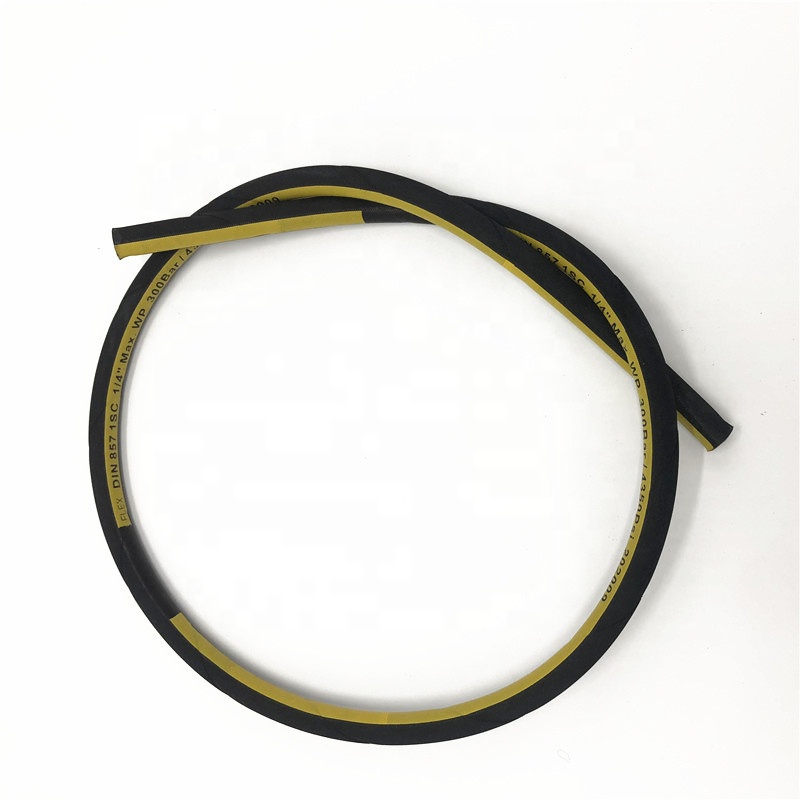
China flexible high pressure rubber hydraulic hose constitutes a critical component in fluid power systems across diverse industrial applications. Positioned within the hydraulic system as the conduit for transmitting pressurized fluid, its performance directly impacts system efficiency, reliability, and safety. These hoses are engineered to withstand extreme pressures, temperatures, and fluid compatibility demands, differing significantly from low-pressure applications. Core performance characteristics include burst pressure, working pressure, temperature range, and fluid resistance. A significant industry pain point revolves around maintaining consistent quality and adherence to international safety standards given the large number of manufacturers and varying material compositions. Ensuring long-term durability and preventing catastrophic failure under dynamic loading conditions remains a primary engineering challenge. This guide provides an in-depth technical overview of the material science, manufacturing processes, performance characteristics, failure modes, and maintenance protocols associated with these critical hydraulic components.
Material Science & Manufacturing
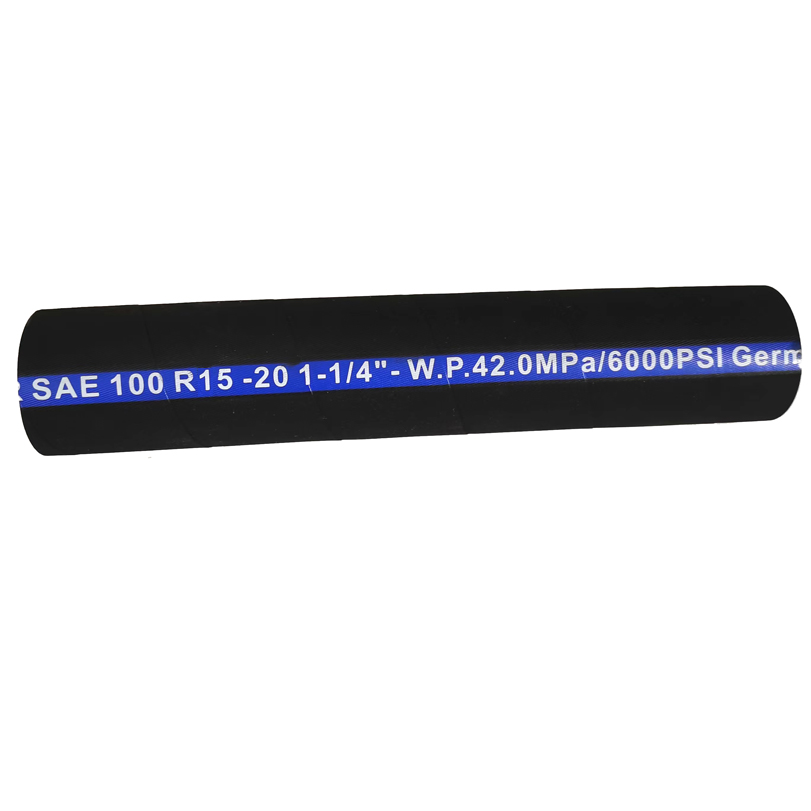
The construction of a flexible high pressure rubber hydraulic hose involves multiple layers, each contributing to specific performance attributes. The inner tube, typically composed of a synthetic rubber compound – nitrile (NBR), chloroprene (CR), or ethylene propylene diene monomer (EPDM) – dictates fluid compatibility. Nitrile offers excellent resistance to petroleum-based fluids, while EPDM excels with phosphate ester hydraulic fluids. Chloroprene provides a balance of properties. The reinforcement layer, crucial for pressure containment, is generally constructed from multiple high-tensile steel wire braids or spirals. The number of braids and the wire diameter directly correlate to the hose's burst pressure. A synthetic rubber binder encapsulates the reinforcement, providing adhesion and preventing corrosion. The outer cover, typically a synthetic rubber like CR or polyurethane, offers abrasion, ozone, and weather resistance. Manufacturing processes begin with rubber mixing, where raw polymers are blended with fillers (carbon black, silica), plasticizers, and curing agents. Extrusion forms the inner tube and outer cover. The reinforcement layer is applied via a winding machine, meticulously controlling layer count and tension. Vulcanization, a critical heat-curing process, crosslinks the rubber molecules, imparting elasticity and strength. Parameter control during vulcanization – temperature, pressure, and time – is paramount, impacting the final hose’s physical properties like tensile strength, elongation at break, and hardness. Improper vulcanization can lead to under-curing (reduced strength) or over-curing (brittleness). Post-production testing, including hydrostatic testing to verify burst pressure and impulse testing to assess fatigue life, is essential for quality assurance.
Performance & Engineering
The performance of a high-pressure hydraulic hose is fundamentally governed by force analysis under pressure. Hoop stress, the circumferential stress within the hose wall, increases linearly with pressure and hose diameter. Longitudinal stress, acting along the hose length, is influenced by the reinforcement layer's configuration. Steel wire braids offer higher longitudinal strength than spirals. Environmental resistance is equally critical. Temperature fluctuations induce thermal expansion and contraction, creating stress on the hose. Exposure to ozone, UV radiation, and hydraulic fluids can lead to degradation of the rubber compounds, reducing flexibility and increasing the risk of cracking. Compliance requirements vary based on application and region. SAE J517, a key standard in North America, defines hose performance criteria, including burst pressure, working pressure, and temperature range. EN 856 in Europe specifies similar parameters. Beyond static pressure resistance, impulse pressure testing is vital, simulating the pulsating pressures common in hydraulic systems. This evaluates the hose’s fatigue life and resistance to cyclical loading. Functional implementation considerations include bend radius – exceeding the minimum bend radius can induce kinking and reduce flow – and hose assembly practices. Improper crimping of fittings can compromise the hose’s integrity, leading to leakage or failure. Finite Element Analysis (FEA) is increasingly used in hose design to optimize reinforcement configurations and predict stress distributions under various operating conditions.
Technical Specifications
| Parameter | Unit | SAE J517 (Type 100 R2 AT) | EN 856 (R2AT) |
|---|---|---|---|
| Working Pressure | MPa | 31.5 | 31.5 |
| Burst Pressure | MPa | 105 | 105 |
| Temperature Range | °C | -40 to +100 | -40 to +100 |
| Inner Tube Material | - | Nitrile Rubber (NBR) | Nitrile Rubber (NBR) |
| Reinforcement | - | Two Steel Wire Braids | Two Steel Wire Braids |
| Outer Cover Material | - | Synthetic Rubber (CR) | Synthetic Rubber (CR) |
Failure Mode & Maintenance
Failure modes in high-pressure hydraulic hoses are diverse, often stemming from a combination of factors. Fatigue cracking, induced by repeated pressure cycling, is a common cause, initiating at stress concentration points (e.g., fitting crimps). Delamination, the separation of reinforcement layers, reduces the hose’s ability to withstand pressure. Degradation of the rubber compounds, caused by exposure to heat, ozone, or incompatible fluids, leads to loss of flexibility and increased susceptibility to cracking. Oxidation results in hardening and cracking of the rubber. Abrasion from external sources can damage the outer cover, exposing the reinforcement to corrosion. Improper installation, such as excessive bending or incorrect fitting crimping, introduces stress and accelerates failure. Maintenance protocols are crucial for extending hose life. Regular visual inspections should identify signs of wear, cracking, or abrasion. Hose assemblies should be replaced if any damage is detected. Fluid compatibility must be verified to prevent chemical attack on the rubber compounds. Hose routing should minimize bending and avoid contact with sharp objects. Proper storage in a cool, dry, and dark environment prevents degradation. Crimping procedures should adhere to manufacturer’s specifications, utilizing calibrated crimping equipment. Leak checks should be performed regularly to identify early signs of failure.
Industry FAQ
Q: What is the impact of impulse pressure on hose life, and how is it mitigated?
A: Impulse pressure, the rapid fluctuation of pressure in a hydraulic system, introduces dynamic stress on the hose wall, leading to fatigue failure. Mitigation strategies include using hoses specifically designed for high impulse applications (typically with higher reinforcement layer counts), implementing pulsation dampeners in the system, and ensuring proper hose routing to minimize vibration.
Q: How does fluid compatibility affect hose selection and longevity?
A: Incompatible fluids can cause swelling, softening, or hardening of the inner tube material, leading to leakage or failure. Selecting a hose with an inner tube material specifically rated for the fluid in use is critical. Consulting chemical compatibility charts and manufacturer’s recommendations is essential.
Q: What are the key differences between spiral and braided reinforcement constructions?
A: Braided reinforcement offers higher tensile strength and resistance to axial forces, making it suitable for applications with significant bending or movement. Spiral reinforcement provides higher flexibility and resistance to kinking, ideal for tight spaces. The choice depends on the specific application requirements.
Q: What are the proper procedures for inspecting a hydraulic hose for potential failures?
A: Inspections should include a visual check for cracks, abrasions, bulges, and leaks. The hose should be checked for proper routing and secure fitting connections. Any signs of damage or deterioration warrant immediate replacement of the hose assembly.
Q: How important is proper hose assembly and crimping to overall system reliability?
A: Proper hose assembly and crimping are paramount. Incorrect crimping can compromise the seal between the hose and the fitting, leading to leakage or catastrophic failure. Using calibrated crimping equipment and following manufacturer’s specifications is crucial.
Conclusion
China flexible high pressure rubber hydraulic hose represents a complex engineered product, demanding careful consideration of material science, manufacturing processes, and operating conditions. Understanding the interplay between pressure, temperature, fluid compatibility, and mechanical stress is crucial for ensuring reliable performance and preventing catastrophic failures. Selecting the appropriate hose type, adhering to proper installation procedures, and implementing a robust maintenance program are all essential elements of a successful hydraulic system.
Continued advancements in rubber compound technology, reinforcement materials, and manufacturing techniques are driving improvements in hose performance and durability. The increasing adoption of FEA and sophisticated testing methodologies will further optimize hose designs for specific applications. Adherence to international standards and a commitment to quality control are vital for ensuring the safety and reliability of these critical components in demanding industrial environments.