
Apr . 01, 2024 17:55 Back to list
china fiber braid hydraulic hose Performance Analysis
Introduction
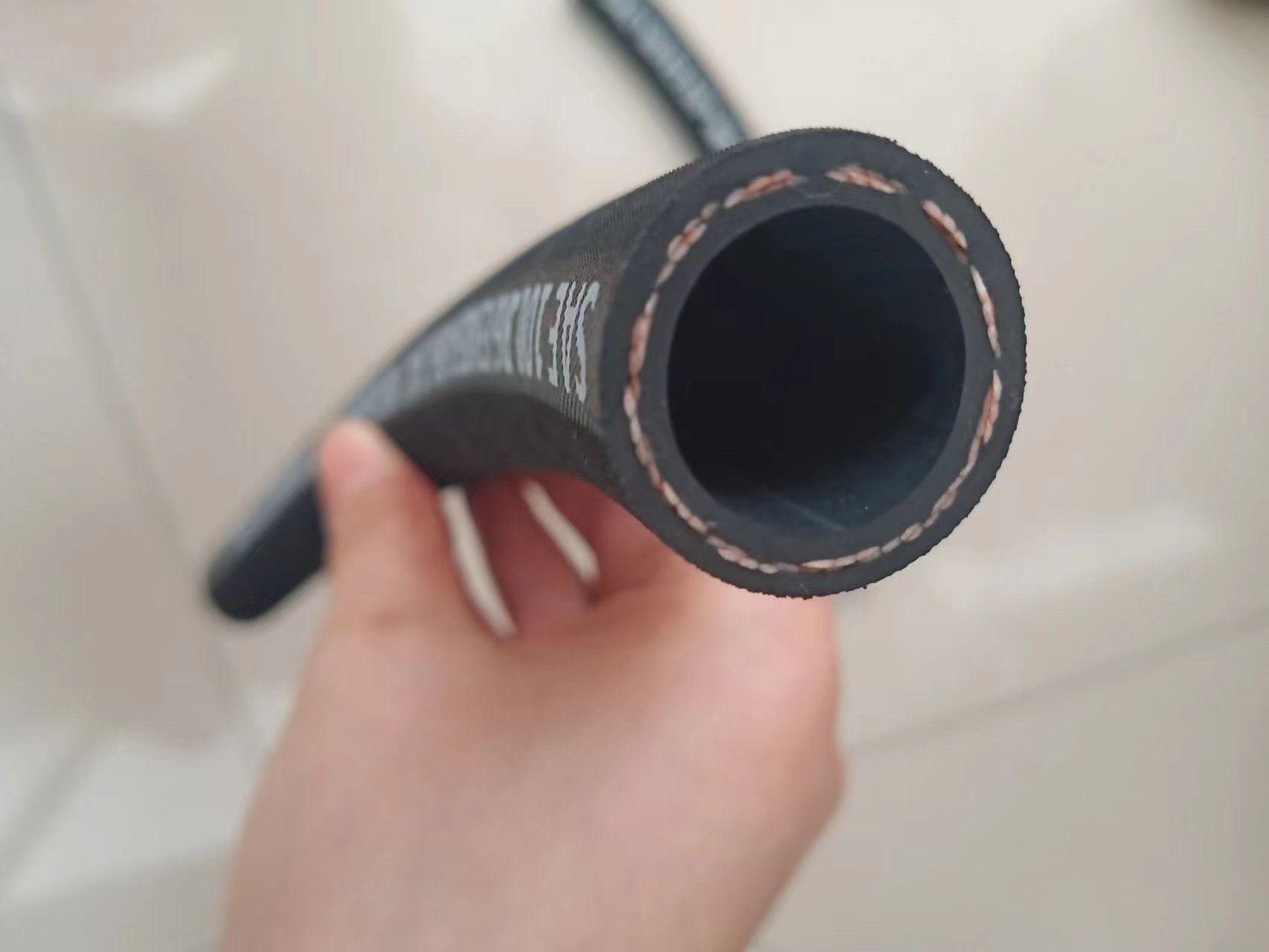
China fiber braid hydraulic hose constitutes a critical component in fluid power systems across diverse industrial applications, including construction machinery, agricultural equipment, material handling, and manufacturing. These hoses are engineered to transmit hydraulic fluid under significant pressure, facilitating the operation of hydraulic cylinders, motors, and other actuators. The core construction comprises an inner tube, reinforcement layers – typically high-tensile steel wire braid encased within fiber reinforcement – and an outer cover. The fiber braid (often utilizing polyester, nylon, or aramid fibers) provides additional protection against abrasion, corrosion, and kinking, contributing to enhanced durability and service life. This guide will delve into the material science, manufacturing processes, performance characteristics, failure modes, and relevant industry standards pertaining to china fiber braid hydraulic hose, addressing key pain points related to reliability, safety, and operational efficiency.
Material Science & Manufacturing
The performance of china fiber braid hydraulic hose is fundamentally dictated by the properties of its constituent materials. The inner tube is commonly composed of synthetic rubber compounds such as nitrile (NBR), ethylene propylene diene monomer (EPDM), or chloroprene rubber (CR), selected for their compatibility with various hydraulic fluids, temperature resistance, and flexibility. NBR offers excellent resistance to petroleum-based fluids, while EPDM exhibits superior resistance to heat and weathering. CR provides good resistance to ozone and aging. The steel wire reinforcement, typically high-carbon steel, provides the primary pressure-bearing capacity. The fiber braid, crucial for enhancing hose durability, is typically composed of polyester, nylon 6, or aramid fibers like Kevlar. Polyester offers a good balance of cost and performance, nylon 6 provides high tensile strength, and aramid fibers excel in high-temperature and high-stress applications.
Manufacturing involves several key steps. The inner tube is extruded through a die to achieve the desired dimensions. The steel wire braid is then helically wound around the inner tube, providing structural integrity. Following wire braiding, the fiber braid is applied over the steel braid, offering abrasion and corrosion protection. This layering process necessitates precise control of tension and layer angle to ensure uniform distribution of stress. The outer cover, usually a synthetic rubber compound similar to the inner tube material, is extruded over the fiber braid to provide environmental protection. Critical manufacturing parameters include extrusion temperature, curing time and temperature, braid tension, and dimensional accuracy. Quality control throughout the process involves hydrostatic pressure testing, burst pressure testing, and dimensional inspections to verify compliance with specifications. Ensuring consistent adhesion between layers is paramount, often achieved through the use of adhesives and surface treatments.
Performance & Engineering
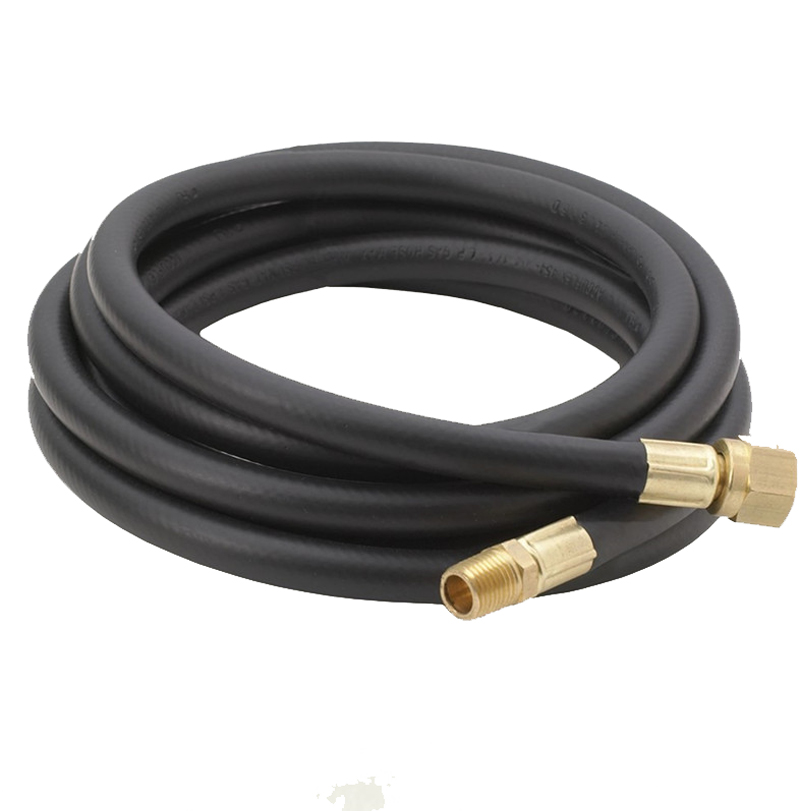
The performance of china fiber braid hydraulic hose is governed by several critical engineering considerations. Burst pressure, working pressure, and safety factor are paramount. Burst pressure refers to the pressure at which the hose fails catastrophically, while working pressure is the maximum allowable operating pressure. A safety factor, typically 4:1 or greater, is applied to ensure reliable operation under fluctuating loads and dynamic conditions. Hose flexibility, bend radius, and torsional stiffness are also important parameters. Excessive bending or twisting can induce stress concentrations and lead to premature failure. The hose must also exhibit resistance to hydraulic fluid permeation, preventing fluid loss and environmental contamination.
Environmental resistance is a critical design consideration. Exposure to temperature extremes, UV radiation, ozone, and corrosive fluids can degrade the hose materials over time. Selection of appropriate rubber compounds and the inclusion of UV stabilizers and antioxidants are crucial for extending service life. Compliance with industry standards such as SAE J517 and EN 856 dictates minimum performance requirements for pressure ratings, temperature ranges, and fluid compatibility. Force analysis, including calculations of hoop stress and axial stress, is essential for optimizing hose construction and ensuring structural integrity. Finite element analysis (FEA) is often employed to simulate stress distributions under various loading conditions. Furthermore, the hose end fittings must be compatible with the hose material and capable of withstanding the operating pressure and temperature.
Technical Specifications
| Parameter | Unit | SAE J517 R1AT | EN 856 4SH |
|---|---|---|---|
| Working Pressure | MPa | 20.7 | 21 |
| Burst Pressure | MPa | 82.7 | 84 |
| Temperature Range | °C | -40 to +100 | -40 to +100 |
| Inner Tube | Material | NBR | NBR |
| Reinforcement | Layers | 2 Steel Wire + Fiber Braid | 2 Steel Wire + Fiber Braid |
| Outer Cover | Material | CR | CR |
Failure Mode & Maintenance
China fiber braid hydraulic hose is susceptible to several failure modes in practical applications. Fatigue cracking, induced by cyclic pressure fluctuations, is a common cause of failure, particularly in applications with high dynamic loads. The steel wire reinforcement is prone to fatigue cracking, initiating at stress concentrations such as bends or kinks. Abrasion, caused by external contact with abrasive surfaces, can degrade the outer cover, exposing the reinforcement layers to corrosion. Corrosion, especially in environments with saltwater or corrosive chemicals, can weaken the steel wire and lead to premature failure. Permeation, or leakage of hydraulic fluid through the hose wall, can occur due to degradation of the rubber compounds or damage to the inner tube. Delamination, the separation of layers within the hose construction, can compromise structural integrity and lead to catastrophic failure. Oxidation of the rubber compounds, accelerated by exposure to heat and oxygen, can reduce flexibility and increase the risk of cracking.
Preventive maintenance is crucial for maximizing hose service life. Regular visual inspections should be conducted to identify signs of abrasion, cracking, bulging, or leakage. Hose should be replaced if any damage is detected. Maintaining proper hydraulic fluid cleanliness is essential to prevent internal abrasion and contamination. Proper hose routing and support are critical to minimize bending stress and prevent kinking. Avoid sharp bends and ensure adequate clearance from moving parts. Periodic hydrostatic testing can verify hose integrity and identify potential weaknesses. When replacing hoses, always use compatible end fittings and ensure proper crimping. Lubricating fittings during assembly can prevent galling and ensure a secure connection. Regularly check and maintain the hydraulic system's overall health, including fluid levels and filter condition.
Industry FAQ
Q: What is the primary difference between SAE J517 R1AT and EN 856 4SH hose specifications?
A: While both standards specify hydraulic hose performance criteria, SAE J517 R1AT is primarily a North American standard focusing on specific rubber compounds and construction details, while EN 856 4SH is a European standard with slightly different requirements for pressure ratings and temperature ranges. Generally, EN 856 4SH hoses exhibit slightly higher burst pressures but may have different fluid compatibility specifications.
Q: How does the fiber braid contribute to hose performance beyond abrasion resistance?
A: The fiber braid provides hoop strength, resisting axial shortening under pressure. It also significantly reduces kinking and improves the hose's flexibility and resistance to torsional stress. This enhances the hose's ability to withstand dynamic loading and prolongs its service life.
Q: What fluid compatibility issues should be considered when selecting a china fiber braid hydraulic hose?
A: The inner tube material must be compatible with the hydraulic fluid being used. Nitrile rubber (NBR) is generally suitable for petroleum-based fluids, while EPDM is better suited for phosphate ester fluids and water-glycol fluids. Incompatibility can lead to swelling, degradation, and premature failure of the inner tube.
Q: What are the common causes of hose leakage and how can they be prevented?
A: Common causes include permeation due to material degradation, damage to the inner tube, and improper fitting connections. Prevention involves selecting appropriate rubber compounds, maintaining proper fluid cleanliness, using compatible fittings, and ensuring proper crimping during assembly.
Q: How important is proper hose routing and support in maximizing hose life?
A: Proper routing and support are critical. Avoiding sharp bends, kinks, and abrasion from contact with moving parts significantly reduces stress concentrations and prevents premature failure. Using hose clamps and supports to maintain correct bend radii is highly recommended.
Conclusion
China fiber braid hydraulic hose represents a crucial element in numerous industrial applications, demanding careful consideration of material science, manufacturing processes, and performance characteristics. The combination of steel wire reinforcement and fiber braiding provides a robust and durable solution for transmitting hydraulic power under demanding conditions. Understanding the potential failure modes and implementing preventative maintenance practices are paramount to maximizing hose service life and ensuring operational safety and reliability.
As hydraulic systems become increasingly complex and operate in harsher environments, continued advancements in hose materials, manufacturing techniques, and quality control are essential. Future developments may focus on incorporating advanced polymers, utilizing non-destructive testing methods for flaw detection, and optimizing hose designs for specific application requirements. Adherence to international standards and a commitment to best practices will remain vital for ensuring the continued performance and safety of china fiber braid hydraulic hose in the years to come.