
Apr . 01, 2024 17:55 Back to list
china en857 1sc Hydraulic Hose Performance Analysis
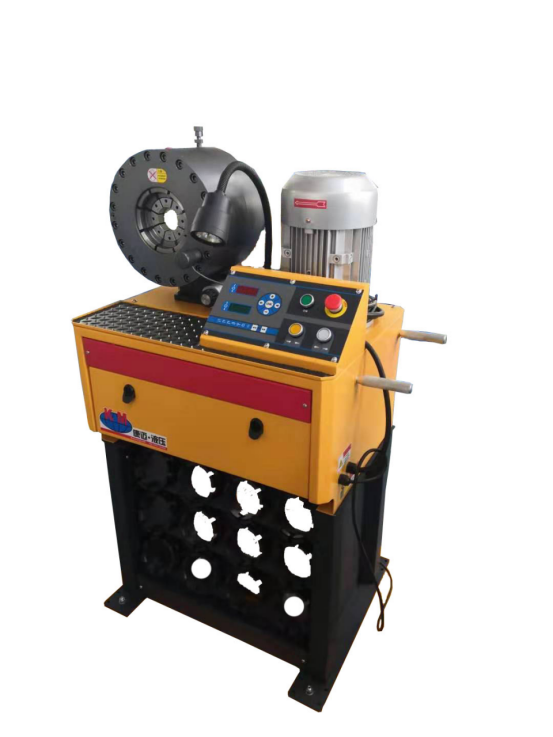
Introduction
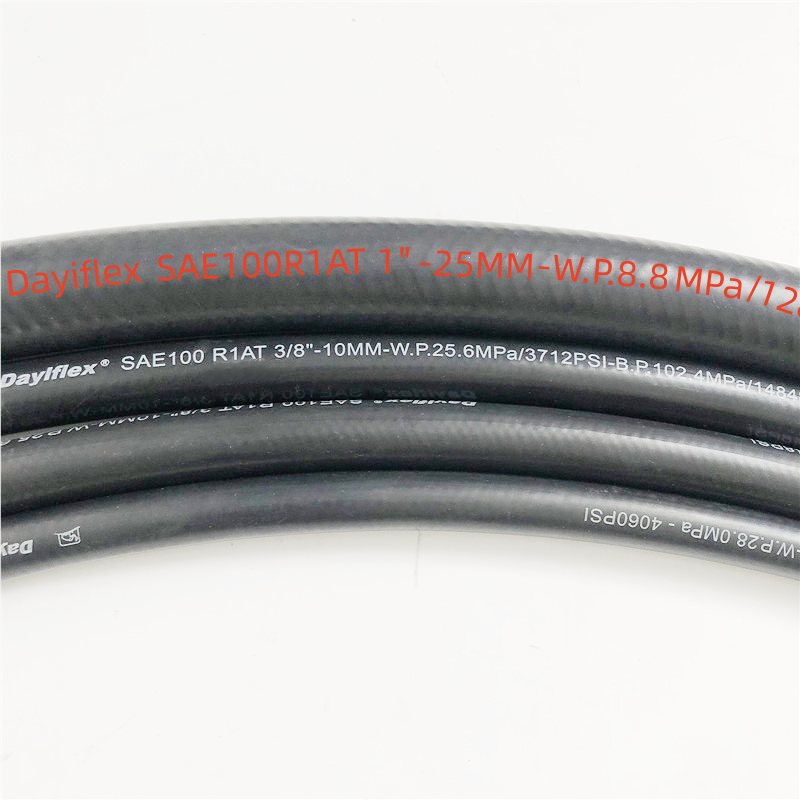
EN857 1SC designates a hydraulic hose conforming to the European standard EN 857, specifically categorized as a 1SC construction. This signifies a single wire spiral reinforcement with a synthetic rubber inner tube and an oil-resistant synthetic rubber outer cover. These hoses are critical components in hydraulic systems, transmitting fluid power for a diverse range of applications including construction machinery, agricultural equipment, and industrial manufacturing. Their function is to reliably convey pressurized hydraulic fluid under dynamic conditions. The '1SC' designation dictates specific performance parameters related to pressure, temperature, and fluid compatibility. A key industry pain point revolves around ensuring consistent quality control in production, particularly regarding the integrity of the wire spiral reinforcement and the precise formulation of the rubber compounds to guarantee resistance to fluid degradation and environmental factors. Furthermore, proper hose assembly and fitting selection are crucial to prevent premature failure. Understanding the material science behind the hose construction and adherence to international standards are paramount for safe and efficient operation.
Material Science & Manufacturing
The core materials of an EN857 1SC hose are synthetic rubber for both the inner tube and outer cover, high-tensile steel wire for the spiral reinforcement, and metallic end fittings. The inner tube is typically composed of Nitrile rubber (NBR), known for its excellent oil resistance, or Ethylene Propylene Diene Monomer (EPDM) rubber for phosphate ester based fluids. The outer cover typically uses Chloroprene rubber (CR) due to its resistance to abrasion, weathering, ozone, and oil. The steel wire used in the reinforcement is typically high-carbon steel, heat-treated for optimal tensile strength and ductility. Manufacturing begins with extrusion of the inner tube and outer cover. Precise control of temperature, screw speed, and die design are essential during extrusion to ensure consistent wall thickness and surface finish. The steel wire is then spirally wound onto the extruded inner tube using a specialized winding machine. Maintaining precise pitch and tension of the wire is crucial for achieving the required pressure rating. The outer cover is then extruded over the wire reinforcement. Post-extrusion, the hose undergoes vulcanization, a process involving heating the rubber compounds with curing agents to induce cross-linking, enhancing their strength, elasticity, and resistance to degradation. Quality control measures throughout the manufacturing process include dimensional checks, pressure testing, and material composition analysis. Critical parameters include wire tensile strength, rubber hardness (measured via Shore A durometer), and elongation at break. Fluid compatibility testing is also essential to verify the hose’s suitability for the intended hydraulic fluid.
Performance & Engineering
The performance of an EN857 1SC hose is governed by several engineering principles. The spiral wire reinforcement is designed to withstand the internal pressure of the hydraulic fluid, preventing bursting or collapse. The stress within the wire is calculated using hoop stress equations, considering the hose inner diameter and working pressure. The rubber compounds provide flexibility and sealing capabilities. Their elastic modulus and tensile strength are critical parameters affecting the hose’s ability to bend without kinking or cracking. Environmental resistance is also a crucial consideration. Exposure to extreme temperatures, ozone, UV radiation, and chemicals can degrade the rubber compounds, reducing their effectiveness and lifespan. The hose must comply with EN 857’s requirements for burst pressure, working pressure, impulse pressure, and temperature range. Fatigue resistance is paramount in applications involving cyclical pressure fluctuations. Finite Element Analysis (FEA) is frequently employed to model the stress distribution within the hose under various loading conditions, optimizing the design for durability. Proper fitting selection is critical; mismatches can create stress concentrations and lead to premature failure. The end fittings must be securely crimped onto the hose, ensuring a leak-proof and mechanically robust connection. Consideration must also be given to fluid velocity; excessive velocity can lead to erosion of the inner tube. Furthermore, proper hose routing is essential to avoid sharp bends and abrasion.
Technical Specifications
| Parameter | Unit | EN 857 1SC Specification | Typical Range (China EN857 1SC) |
|---|---|---|---|
| Working Pressure | MPa | Up to 31.5 | 10-31.5 |
| Burst Pressure | MPa | ≥ 3 x Working Pressure | 30-94.5 |
| Temperature Range | °C | -40 to +100 | -40 to +100 |
| Inner Tube Material | - | NBR or EPDM | NBR (most common) |
| Outer Cover Material | - | CR | CR |
| Reinforcement | - | Single High-Tensile Steel Wire Spiral | Single High-Tensile Steel Wire Spiral |
| Minimum Bend Radius | mm | As per diameter | 4-12x Diameter |
Failure Mode & Maintenance
Common failure modes in EN857 1SC hoses include bursting due to exceeding the working pressure, fatigue cracking from cyclical loading, pinhole leaks caused by abrasion or chemical attack, and connection failures at the fittings. Bursting typically results from a sudden pressure surge or prolonged exposure to pressures exceeding the hose’s rating. Fatigue cracking initiates from stress concentrations, often near the fittings or at points of bending. Pinholes are often caused by external abrasion or internal erosion from contaminated hydraulic fluid. Connection failures can be attributed to improper crimping, corrosion of the fittings, or damage to the hose end during assembly. Maintenance practices should include regular visual inspection for signs of damage, such as cracks, abrasions, and leaks. Hoses should be replaced if any signs of damage are detected. Fluid analysis is recommended to monitor for contamination and ensure compatibility with the hose materials. Hose assemblies should be stored in a cool, dry place away from direct sunlight and ozone sources. Proper hose routing and protection from abrasion are crucial preventative measures. Crimping procedures should be strictly followed to ensure a secure and leak-proof connection. The hose's service life is significantly impacted by operating temperature and fluid compatibility; regular monitoring is advisable. A failure analysis should be performed on any hose that fails prematurely to identify the root cause and prevent recurrence.
Industry FAQ
Q: What is the impact of using an incorrect hydraulic fluid on the lifespan of an EN857 1SC hose?
A: Using an incompatible hydraulic fluid can significantly reduce the lifespan of an EN857 1SC hose. Some fluids contain chemicals that can cause the rubber compounds to swell, soften, or degrade, leading to leaks and premature failure. For example, using a petroleum-based fluid in a hose designed for phosphate ester fluids will cause rapid deterioration of the NBR inner tube. Always verify fluid compatibility with the hose manufacturer’s specifications.
Q: How does impulse pressure affect the selection of an EN857 1SC hose?
A: Impulse pressure, or pressure spikes, places significant stress on the hose reinforcement. Hoses must be selected with a sufficient impulse rating to withstand these fluctuations without fatigue failure. Ignoring impulse pressure can lead to premature cracking and bursting. Applications with frequent or high-magnitude impulse pressures require a hose with a higher reinforcement density.
Q: What are the common causes of hose twist and how can it be prevented?
A: Hose twist occurs when the hose is subjected to torsional forces, often during installation or operation. This can lead to internal damage and reduced flow. Common causes include improper hose routing, rotating equipment connections, and insufficient hose length. Prevention involves ensuring proper hose routing, using swivel fittings where necessary, and providing sufficient slack to accommodate movement.
Q: What are the key considerations when selecting end fittings for an EN857 1SC hose?
A: End fittings must be compatible with the hose material, pressure rating, and fluid type. They must also be properly crimped to ensure a leak-proof seal. Factors to consider include fitting material (steel, stainless steel, brass), thread type (NPT, BSPP, DIN), and crimp specification. Using incorrect fittings can lead to connection failures and hazardous leaks.
Q: How important is the bend radius in maintaining the integrity of an EN857 1SC hose?
A: Maintaining the recommended minimum bend radius is crucial to prevent kinking, cracking, and reduced flow. Exceeding the bend radius stresses the hose reinforcement and can lead to premature failure. Always consult the hose manufacturer’s specifications for the appropriate bend radius based on the hose diameter.
Conclusion
The EN857 1SC hydraulic hose is a critical component in numerous industrial applications, providing a reliable means of transmitting hydraulic power. Its performance is dictated by a complex interplay of material science, engineering principles, and adherence to stringent manufacturing standards. Understanding the nuances of wire spiral reinforcement, rubber compound properties, and operational limitations is essential for ensuring safe and efficient operation.
Correct hose selection, proper installation, regular maintenance, and vigilant inspection are all vital to maximizing service life and minimizing the risk of failure. Continuous advancements in rubber technology and manufacturing processes are leading to the development of more durable and high-performing EN857 1SC hoses, further enhancing their reliability and extending their application range.